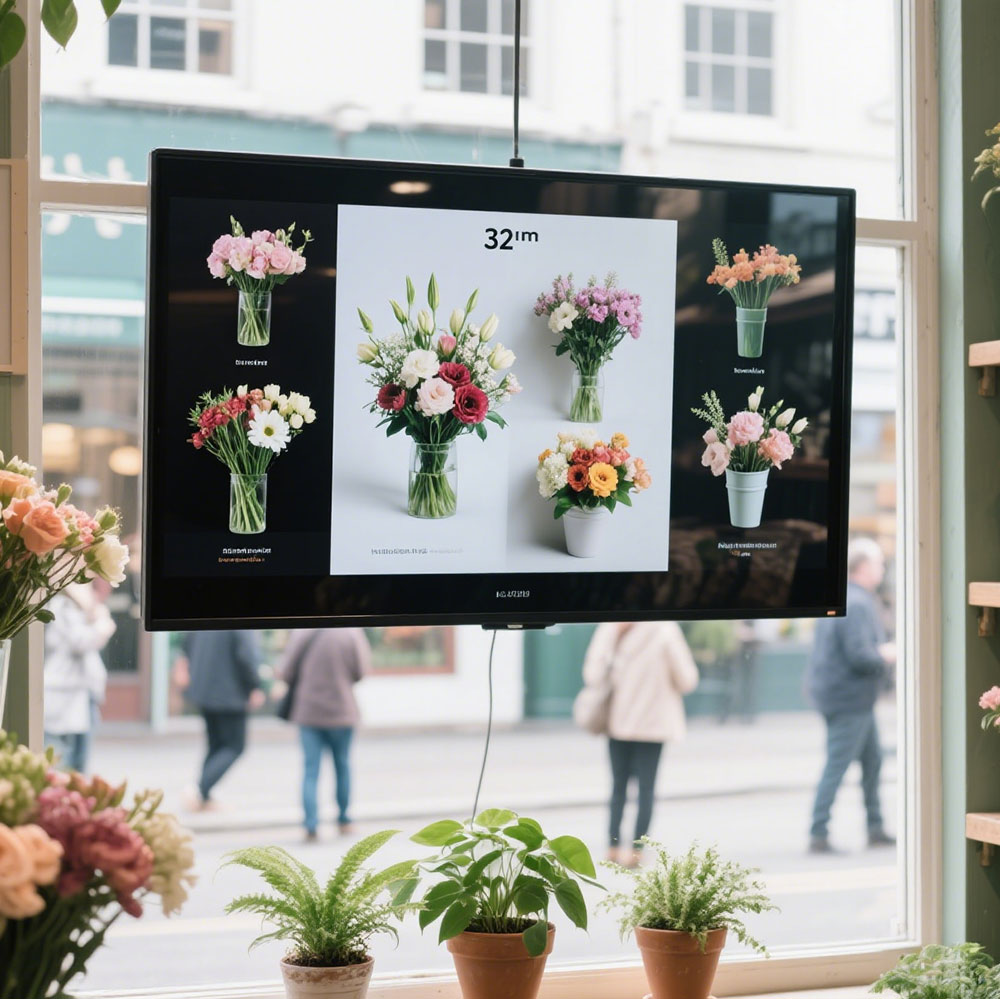
In today’s increasingly connected and automated industrial environments, the demand for reliable, high-brightness LCD screens that remain legible under direct sunlight is growing rapidly. Whether deployed in construction sites, mining operations, transportation hubs, or military field equipment, these displays must deliver consistent performance across extreme lighting conditions—especially when ambient light exceeds 10,000 lux.
Sunlight-readable LCDs are not just about higher brightness; they involve a holistic engineering approach that includes advanced backlighting, anti-glare coatings, polarization filters, and optimized contrast ratios. For instance, modern outdoor LCDs often use LED-backlit panels with brightness levels of 5,000 to 10,000 nits—far exceeding standard indoor displays (typically 200–500 nits). This increased luminance ensures content remains visible even during peak sun hours.
One critical innovation is the use of transflective liquid crystal technology, which combines both transmissive and reflective modes. In bright sunlight, the reflective layer enhances visibility without drawing extra power from the backlight. This hybrid approach improves energy efficiency while maintaining clarity—a key advantage in battery-powered or solar-recharged devices used in remote locations.
Moreover, industry-standard certifications such as MIL-STD-810G for environmental durability and IP65/IP67 ratings for dust and water resistance are now essential for outdoor applications. These standards ensure that the display can withstand temperature extremes (-30°C to +70°C), vibration, humidity, and shock—conditions common in real-world deployments.
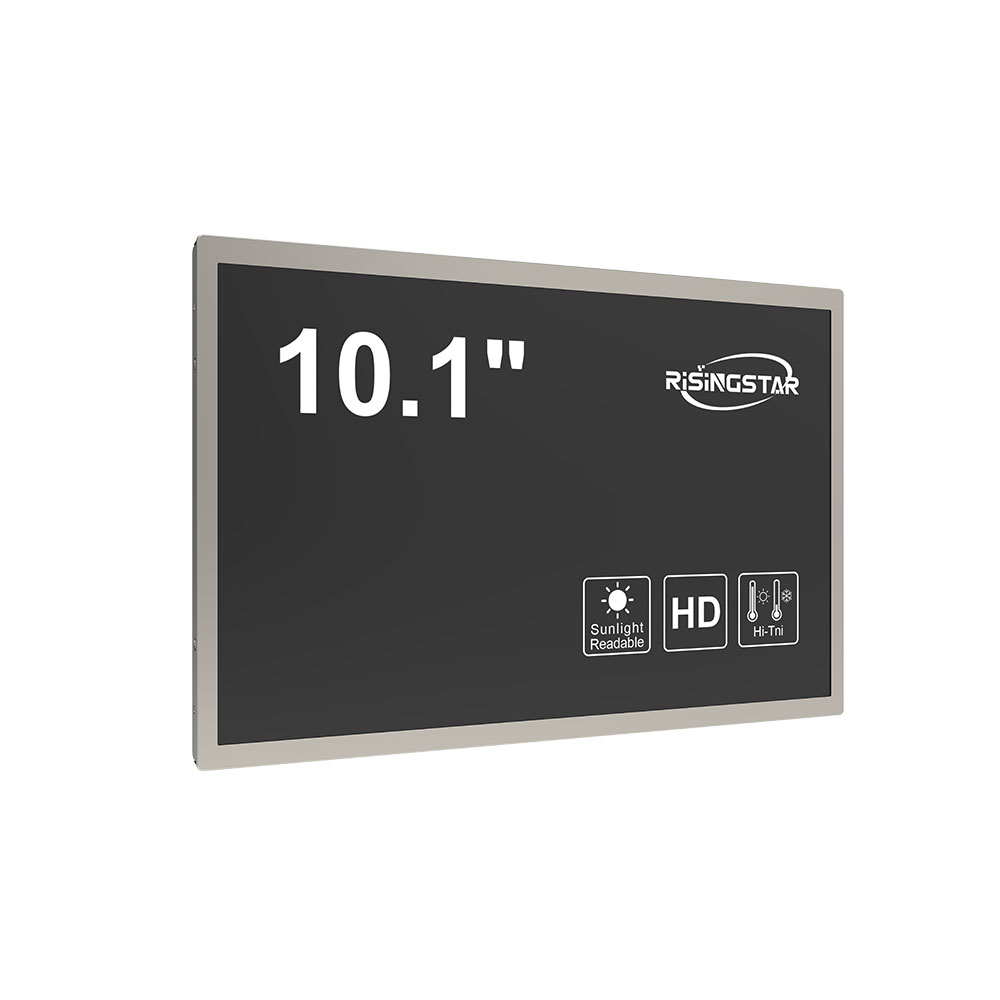
Case studies from companies like Bosch Rexroth and Siemens have shown that integrating sunlight-readable LCDs into control panels reduced operator errors by up to 40% in outdoor settings. Similarly, in automotive manufacturing plants using robotic systems, operators rely on high-brightness touchscreens for real-time diagnostics—where visibility directly impacts productivity and safety.
To future-proof these displays, manufacturers are also exploring adaptive brightness control via ambient light sensors. This feature dynamically adjusts screen output based on real-time lighting conditions, balancing readability and power consumption. Such intelligent design aligns with global energy efficiency goals and reduces long-term operational costs.
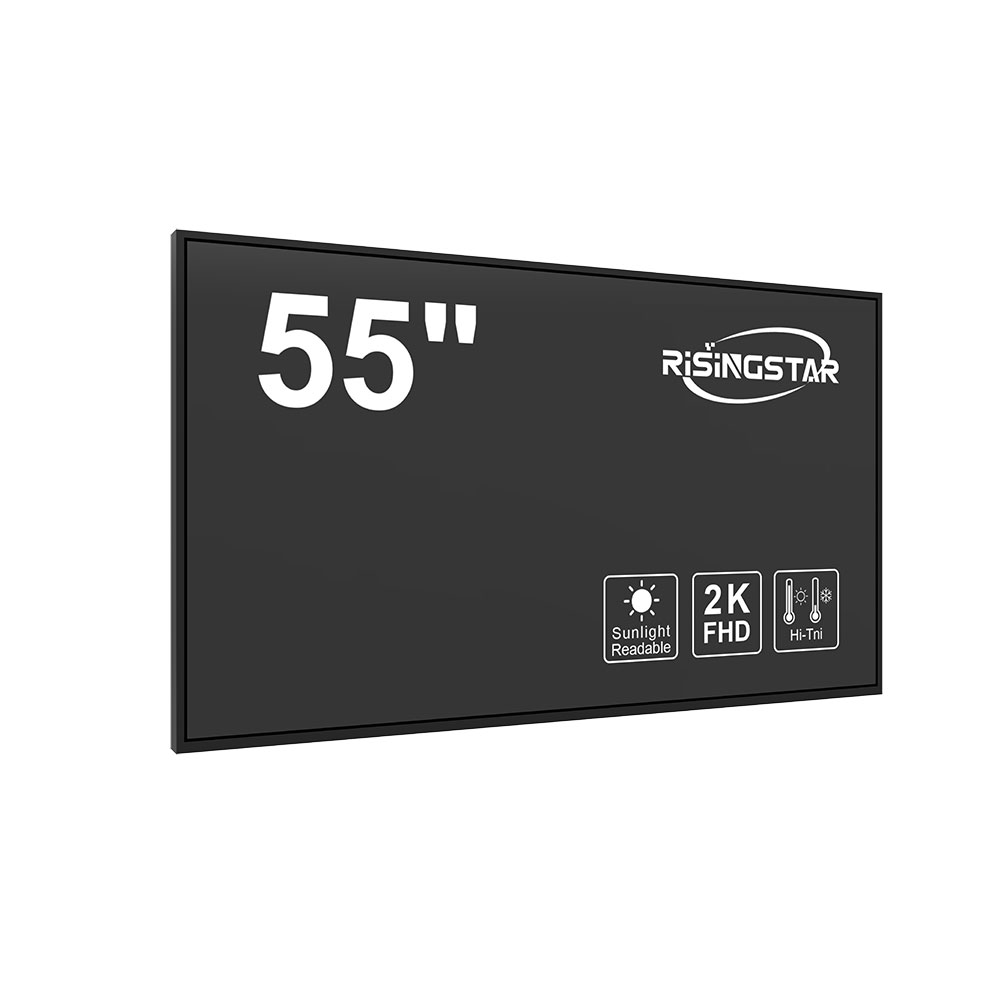
Ultimately, designing effective sunlight-readable high-brightness LCDs requires deep expertise in materials science, optical engineering, and human factors. It's not simply about pushing more lumens—it’s about delivering clarity, reliability, and usability where it matters most: in the field.