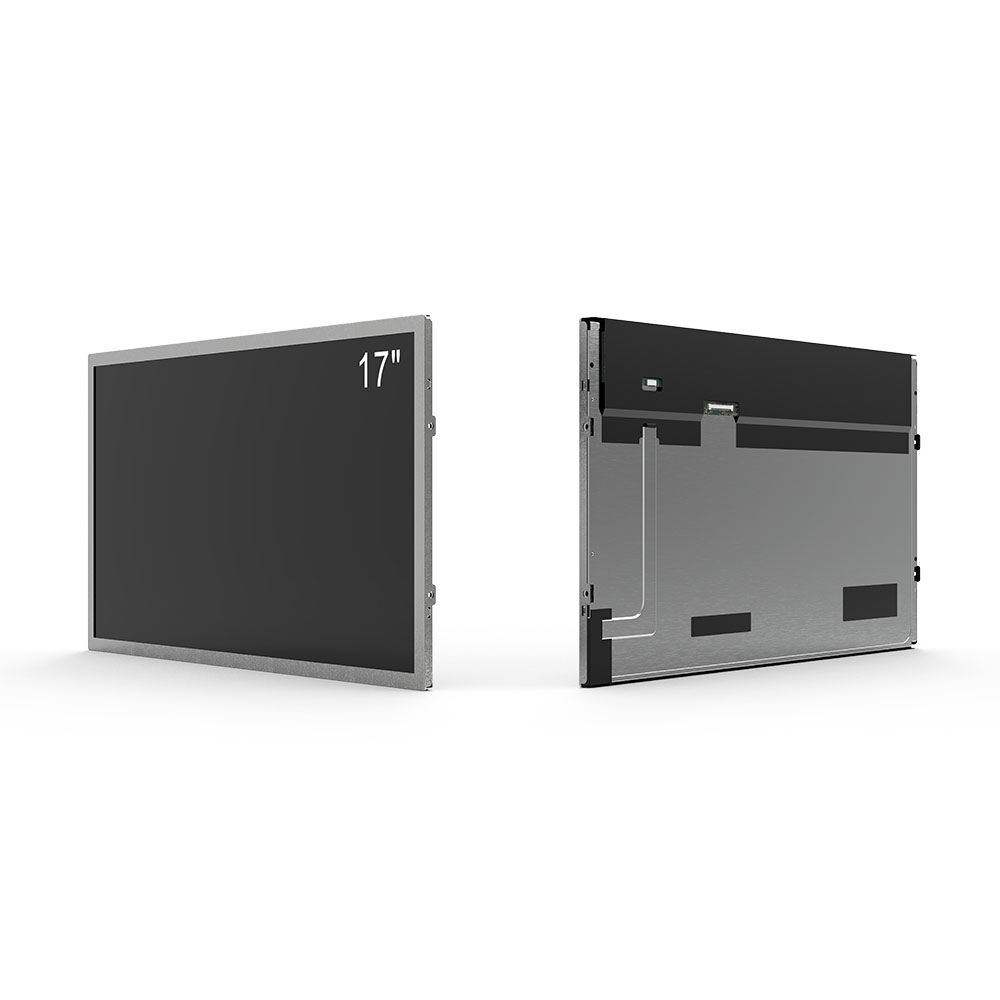
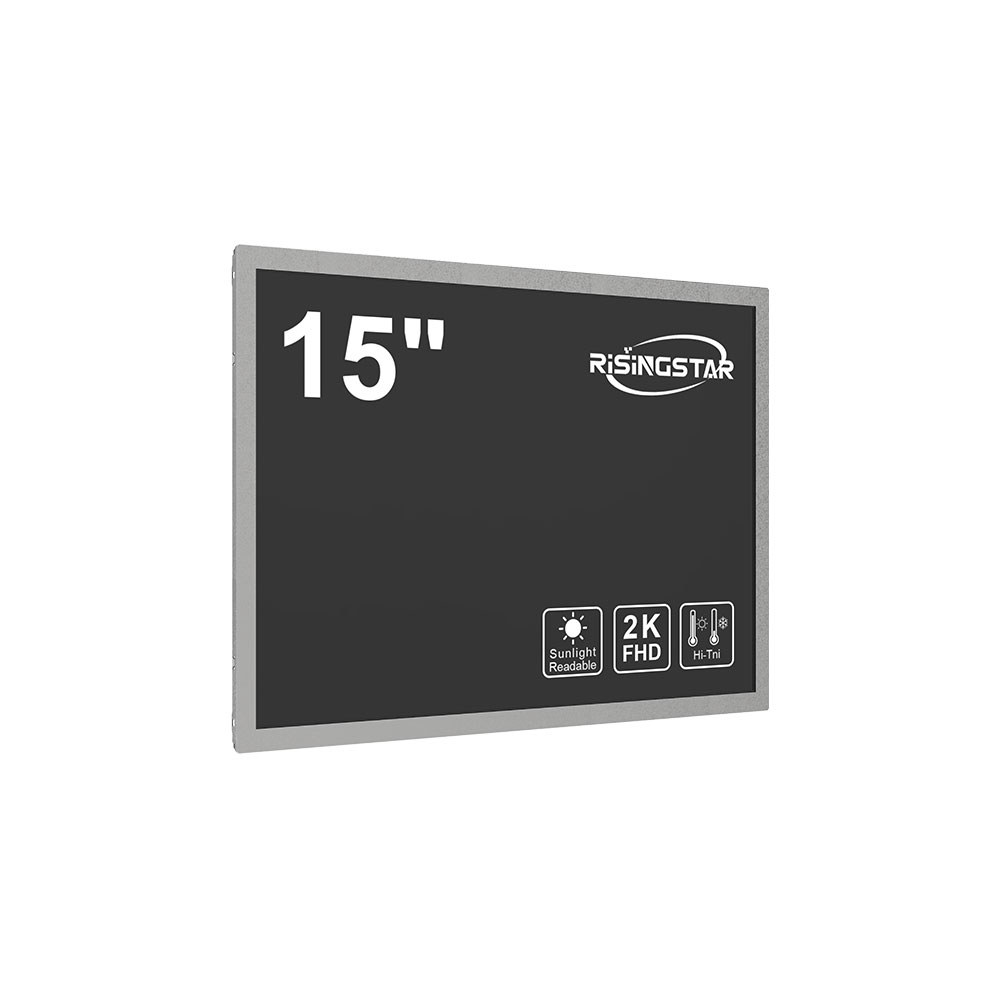
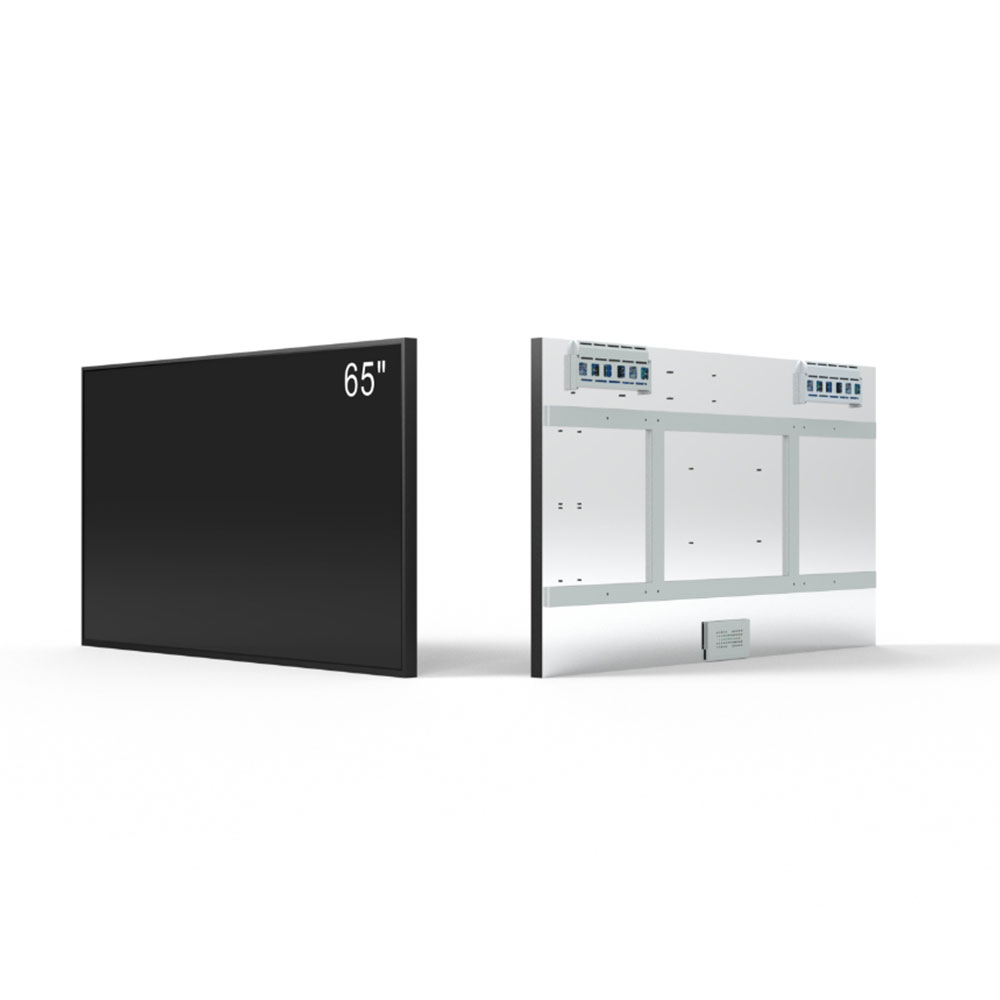
When selecting an LCD panel for your display application—whether it's for consumer electronics, industrial equipment, or medical devices—it's crucial to understand the technical specifications, environmental requirements, and performance trade-offs. The right choice ensures optimal image quality, longevity, and cost-efficiency.
Begin by identifying the primary use case. For example, a smartphone screen demands high brightness, low power consumption, and fast response times (typically under 10ms), while an outdoor kiosk might prioritize sunlight readability with anti-glare coatings and high nits (5000+). Industrial applications often require wide temperature ranges (-20°C to 70°C) and ruggedized housings to withstand vibration and moisture.
Next, consider the LCD technology type: TN (Twisted Nematic), IPS (In-Plane Switching), VA (Vertical Alignment), or OLED. Each has distinct advantages. TN panels offer fast response times at lower costs but suffer from narrow viewing angles. IPS provides superior color accuracy and wide viewing angles, making them ideal for graphic design and professional displays. VA panels strike a balance between contrast ratio and response time, commonly used in home entertainment systems. OLEDs deliver deep blacks and infinite contrast but may have shorter lifespans and higher costs—suitable for premium smartphones and TVs.
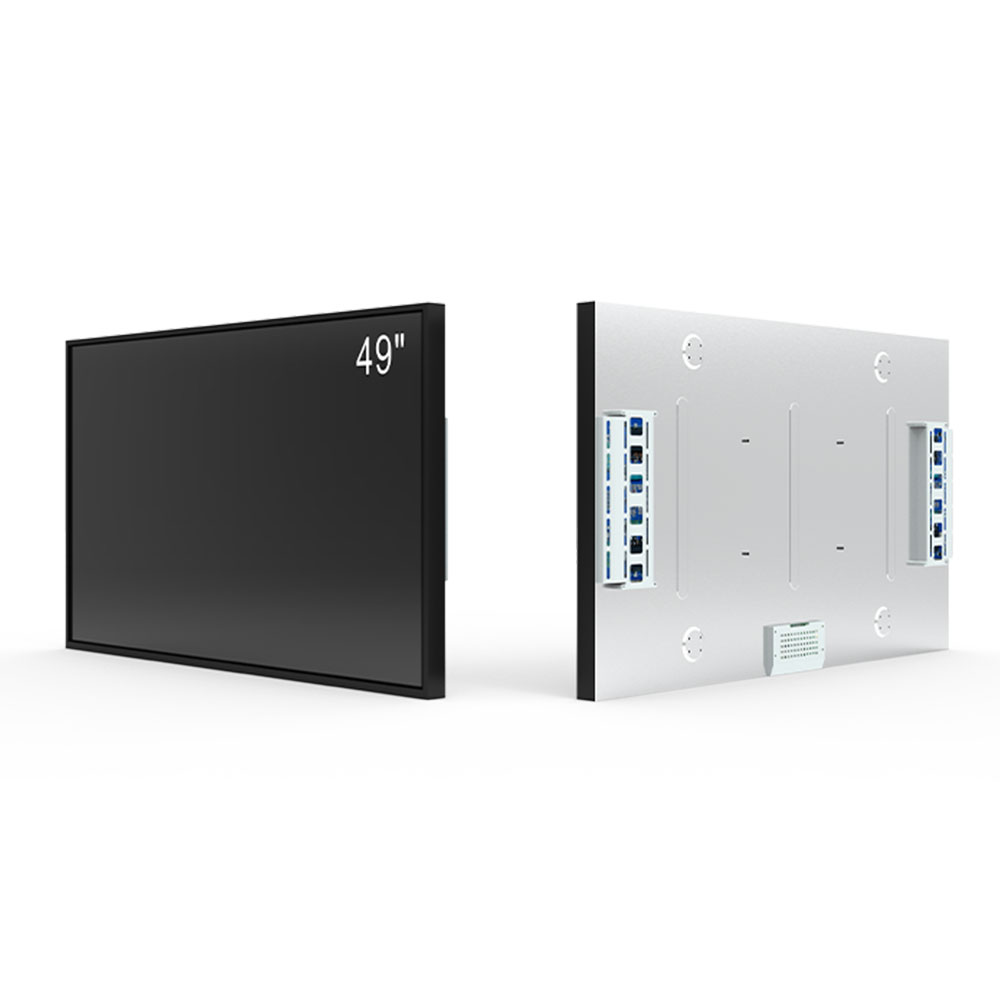
Manufacturing standards such as ISO 9001 and IEC 60068 must also be evaluated. Panels certified under these standards guarantee consistent quality, reliability, and environmental resilience. For instance, MIL-STD-810G compliance ensures military-grade durability for defense and aerospace applications.
Lastly, evaluate suppliers' support and lead times. Leading manufacturers like LG Display, Samsung Display, and BOE provide extensive documentation, sample testing, and customization options. Real-world case studies show that partnering with vendors offering modular design support reduces time-to-market by up to 30%.
In conclusion, choosing the correct LCD panel requires a systematic approach that balances technical performance, environmental conditions, and long-term cost of ownership. By aligning panel characteristics with application needs, engineers can ensure both functionality and user satisfaction across diverse markets.