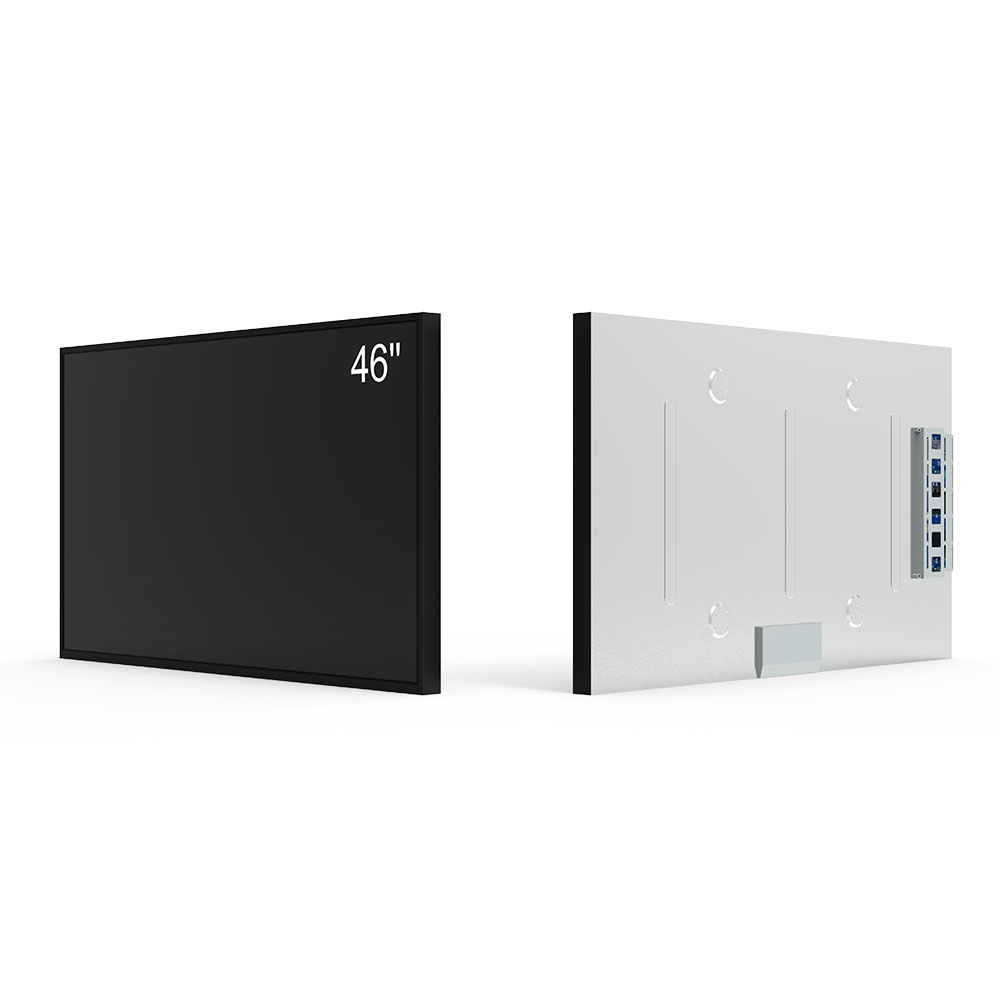
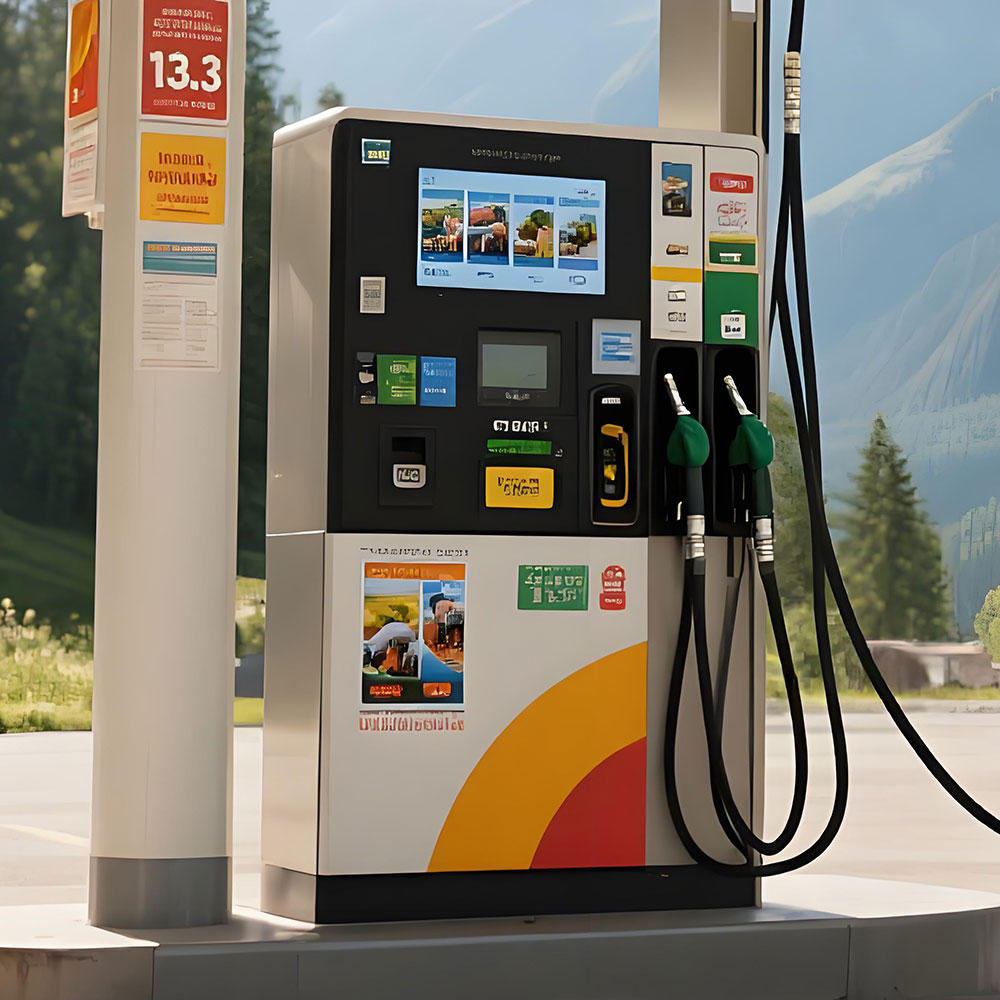
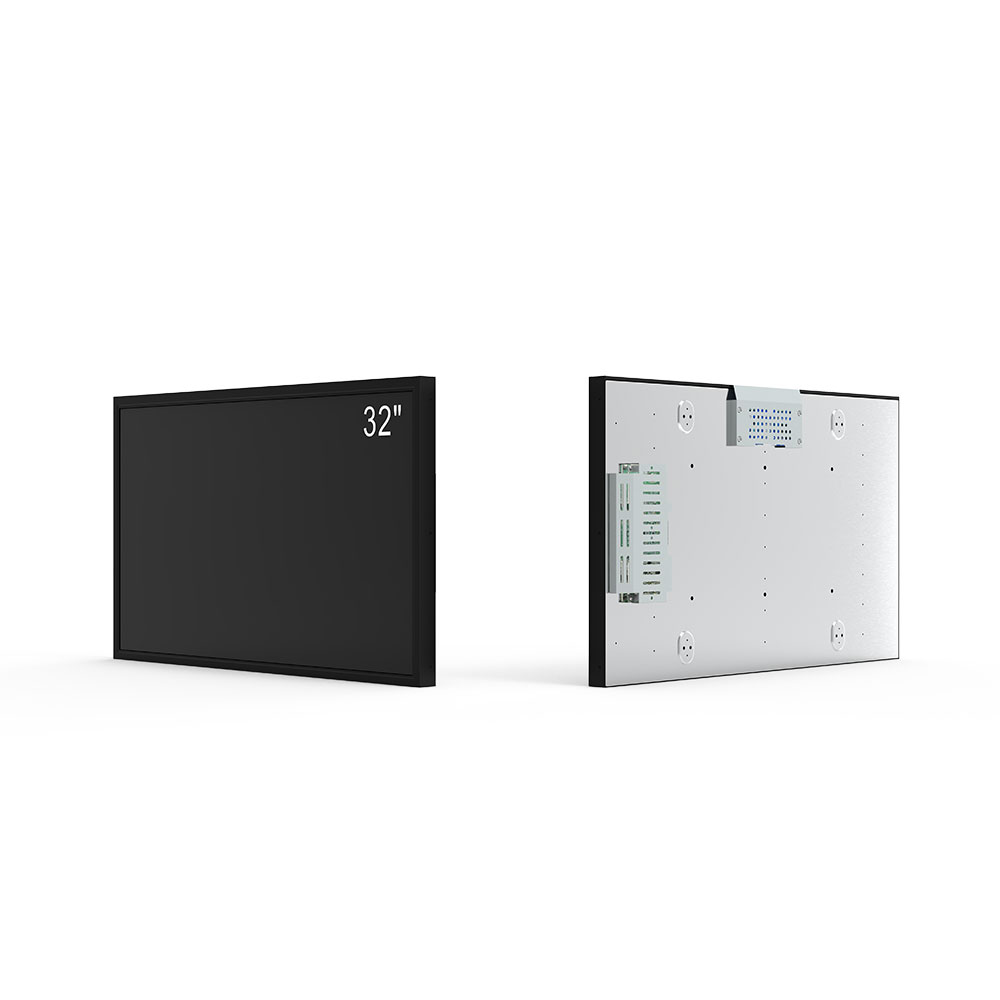
Sunlight readable high brightness LCD screens are essential for applications where visibility under direct sunlight is critical—such as industrial control panels, military equipment, outdoor kiosks, and automotive dashboards. These displays must maintain clarity and functionality even in extreme lighting conditions, which requires a combination of advanced materials, backlighting techniques, and optical engineering.
One of the key factors in achieving sunlight readability is brightness. Standard indoor LCDs typically offer 250–400 nits of brightness, but sunlight readable displays often exceed 1,500 nits, with premium models reaching 5,000 nits or more. This level of brightness ensures that the screen remains legible even under full sun exposure at noon (which can exceed 100,000 lux). According to the MIL-STD-188-137B military standard, outdoor display systems must be functional in ambient light levels up to 100,000 lux—a benchmark that drives much of the innovation in this field.
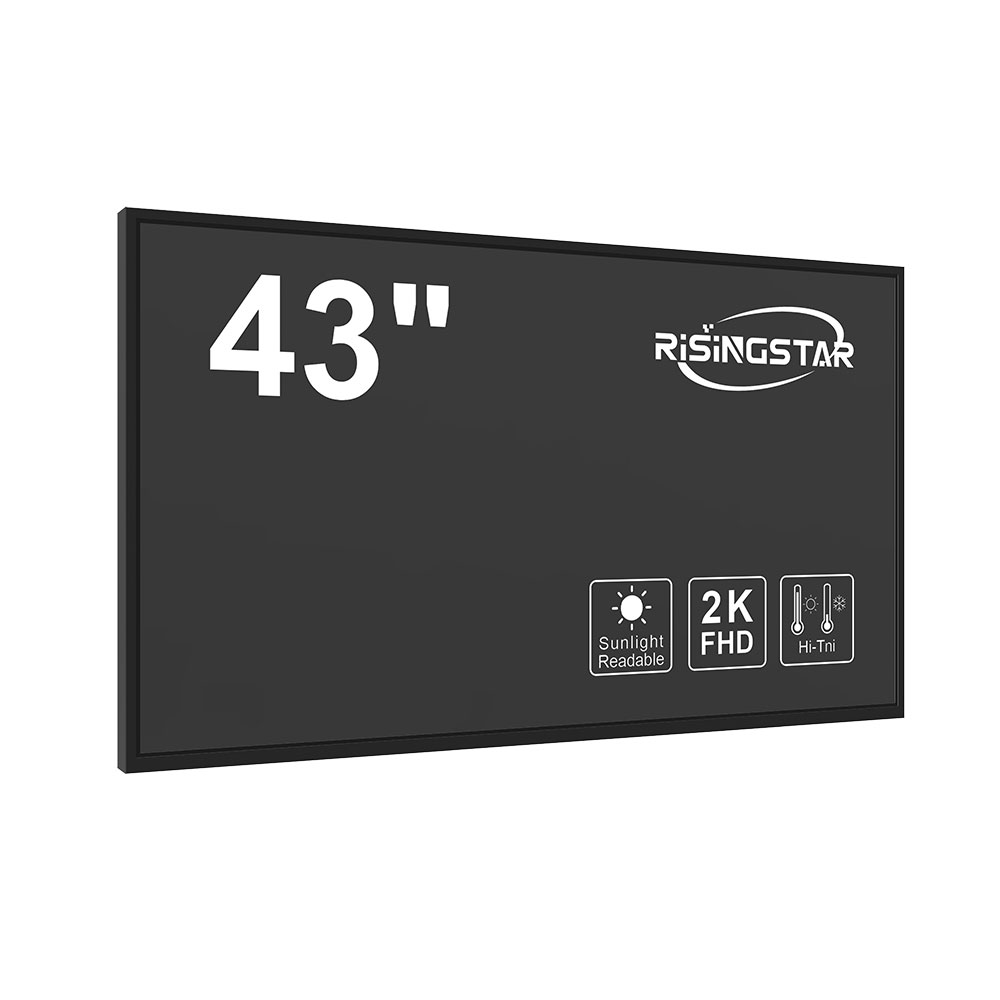
Another crucial element is the use of anti-reflective coatings and polarized filters. These reduce glare from ambient light sources while enhancing contrast ratios. For example, multi-layer anti-reflection coatings (ARCs) on glass substrates can lower surface reflectivity from ~4% down to less than 1%. When combined with high-contrast passive matrix or active matrix OLED technologies, these coatings significantly improve visual performance in bright environments.
Backlighting technology also plays a pivotal role. While traditional LED backlights may suffice indoors, sunlight-readable displays often incorporate local dimming zones and high-efficiency LED arrays. These allow dynamic brightness adjustment based on ambient light sensors—an energy-efficient method that maintains image quality without overloading power consumption. Some manufacturers, such as LG Display and Sharp, have developed proprietary high-brightness LED modules optimized for outdoor use, achieving consistent performance across temperature ranges from -30°C to +70°C.
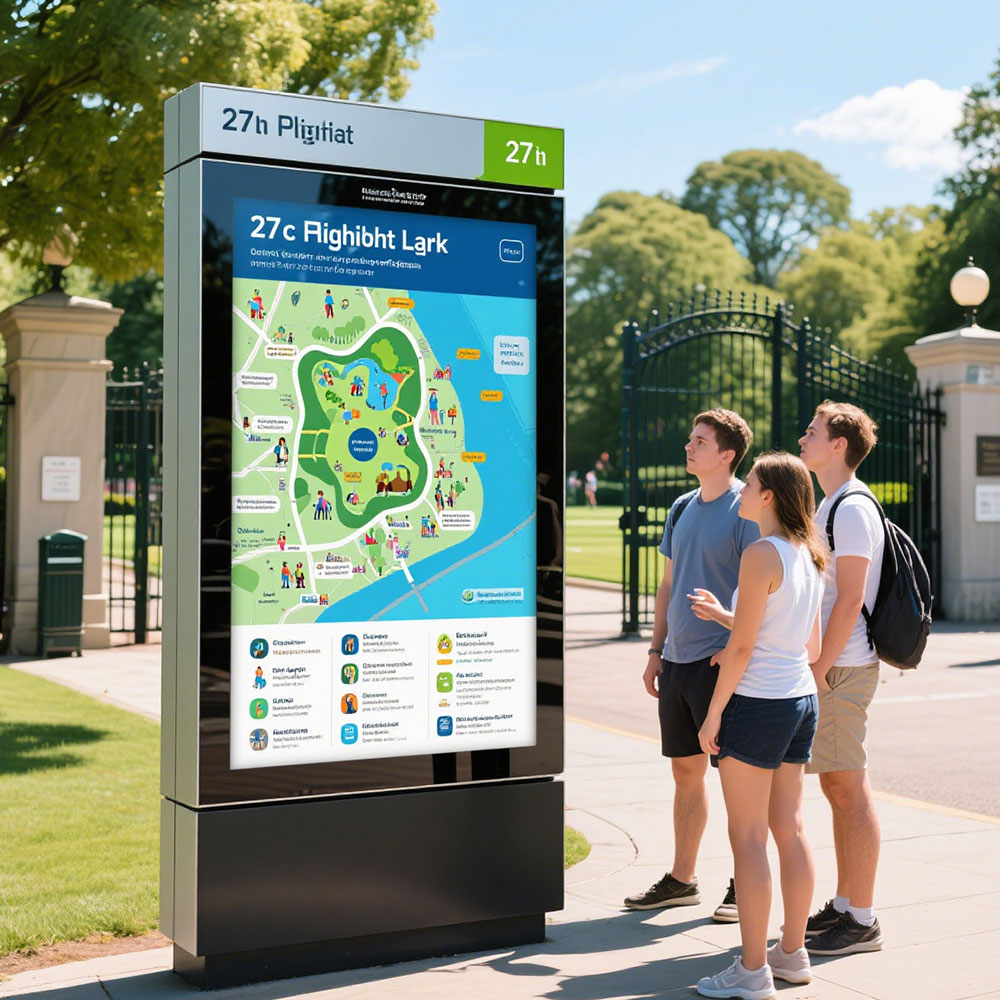
Manufacturers must also consider durability and environmental resistance. Many high-brightness LCDs used in outdoor settings comply with IP65 or higher ratings, meaning they are protected against dust ingress and water jets. In addition, ruggedized designs with shock-absorbing frames and tempered glass protectors are now standard in sectors like transportation and defense.
Case studies from real-world deployments confirm the effectiveness of these technologies. For instance, a public transit information system in Dubai installed 1,200 sunlight-readable LCDs across bus shelters, each operating reliably under 12 hours of daily sunlight exposure. The system’s success was attributed to its 5,000-nit brightness, anti-glare coating, and integrated ambient light sensors that automatically adjust brightness to save power during low-light hours.
In summary, developing a truly sunlight readable high brightness LCD involves integrating multiple technologies—from material science and optics to thermal management and software-based brightness control. As demand grows in smart cities, autonomous vehicles, and portable defense systems, manufacturers must continue investing in R&D to meet evolving standards and user expectations.