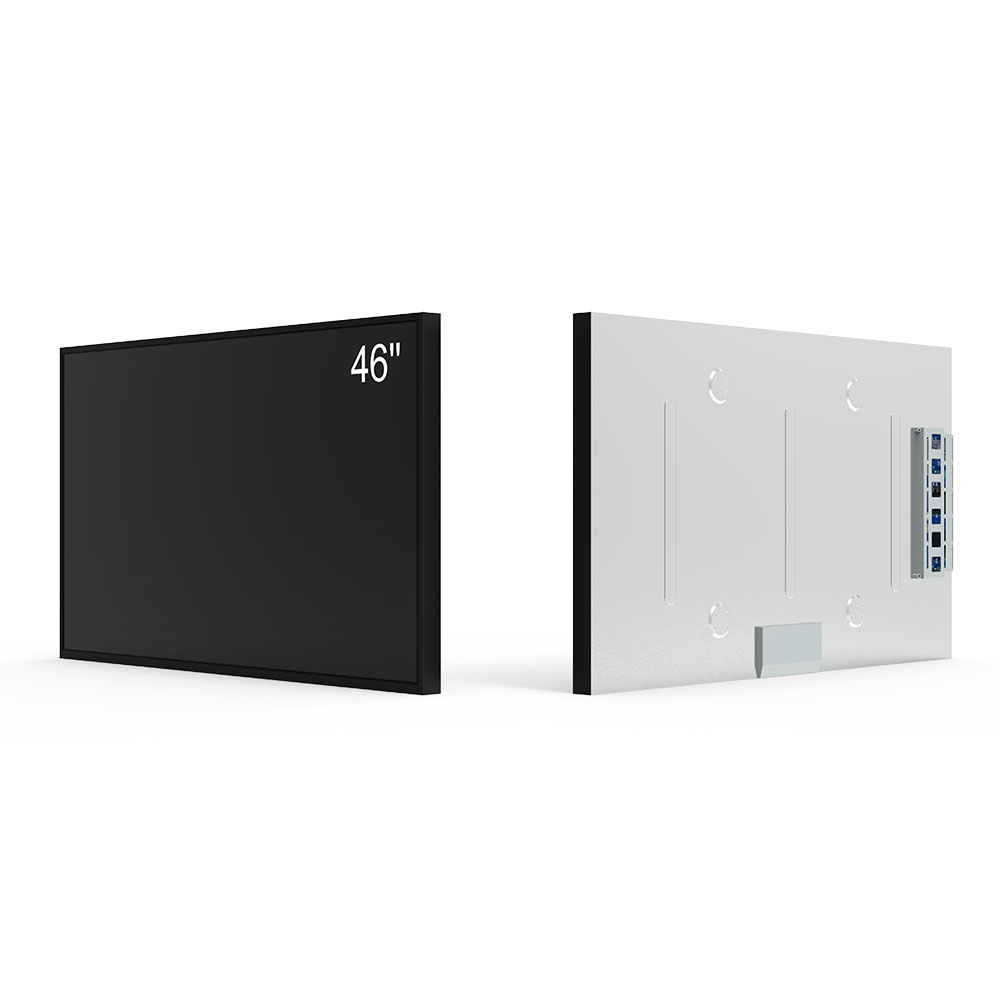
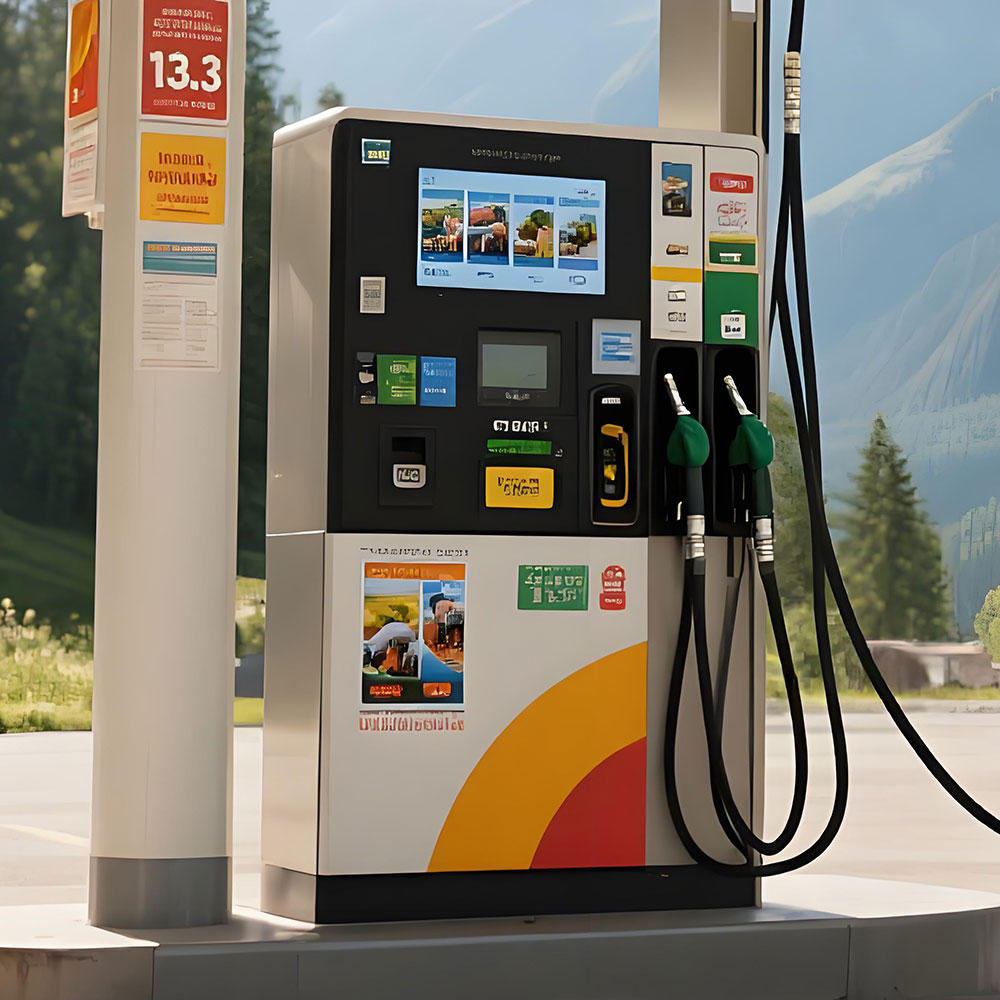
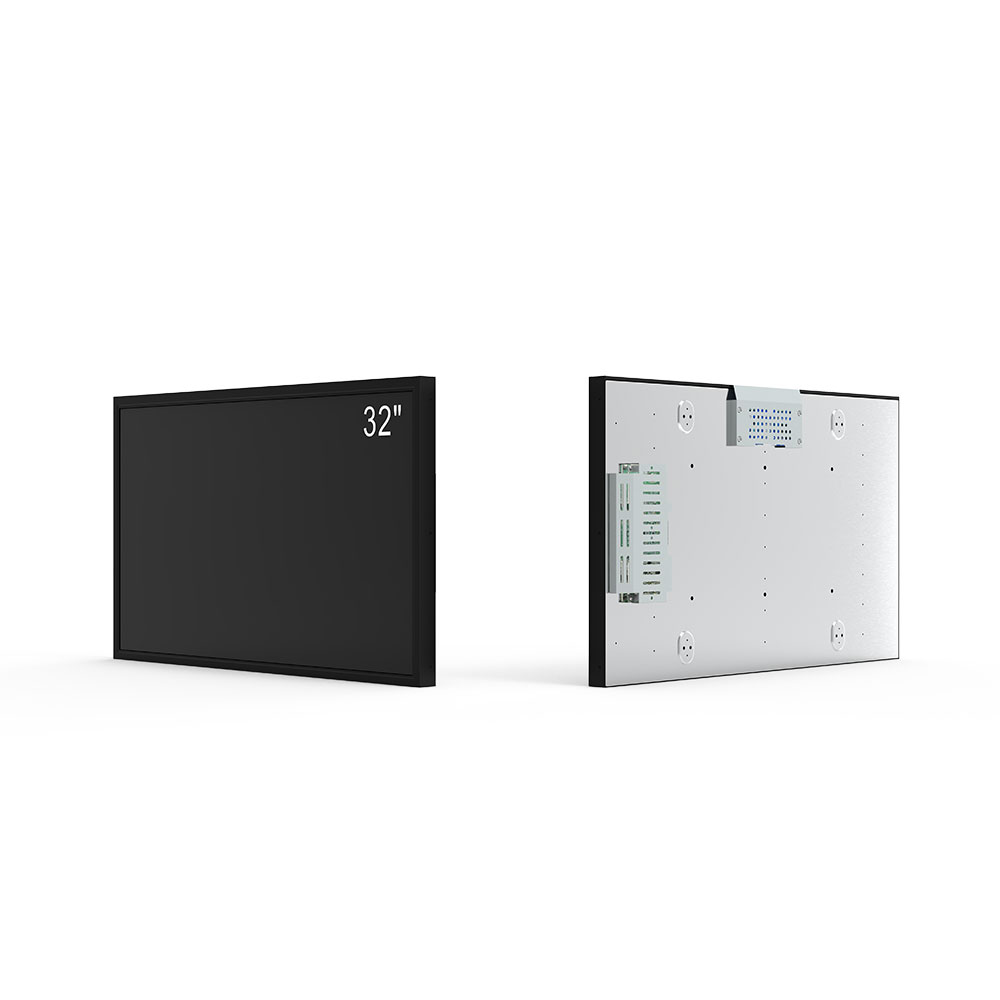
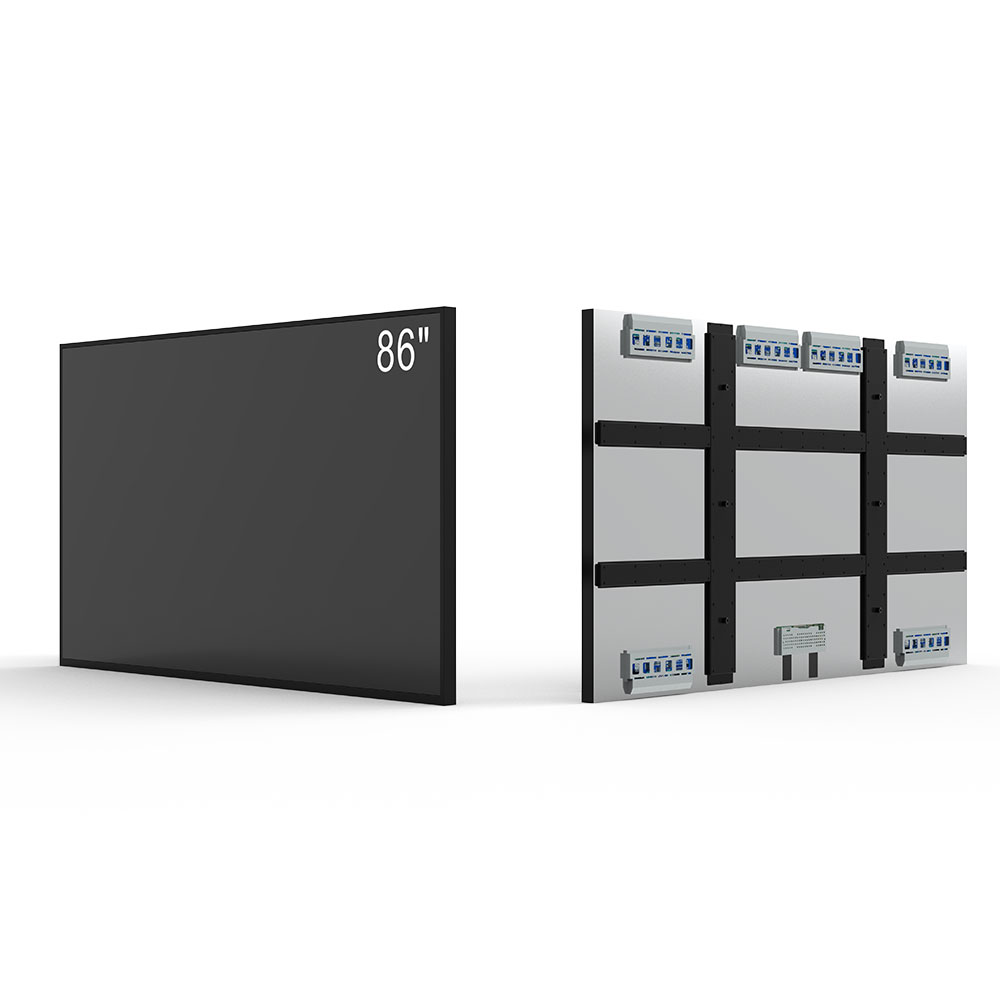
When designing outdoor electronic systems—such as kiosks, industrial control panels, or vehicle dashboards—the choice of display technology is critical. A standard LCD screen may become unusable under direct sunlight due to poor contrast and low brightness levels. This is where sunlight readable high brightness LCD displays come into play.
Sunlight readable LCDs are engineered to maintain visibility in intense lighting conditions, often achieving brightness levels of 3,000 to 5,000 nits or more—far exceeding the typical 250–500 nits of indoor displays. These screens use advanced technologies like enhanced backlighting (e.g., LED arrays with diffusers), anti-glare coatings, and high-contrast ratios (often 1000:1 or higher) to ensure clarity even under direct solar exposure.
Key features to evaluate include:
- Brightness: Must exceed 3,000 nits for reliable performance in full sun (per MIL-STD-3009 and ISO 9241-3 standards).
- Contrast Ratio: Higher contrast improves readability by reducing washed-out images.
- Viewing Angles: Wide viewing angles (typically ±60°) ensure consistent image quality from multiple positions.
- Environmental Protection: IP65 or higher ratings for dust and water resistance are essential in outdoor settings.
- Power Efficiency: Energy consumption should be optimized for battery-powered devices or remote installations.
Case studies show that manufacturers using these displays in public transportation systems (like bus stop information boards) report a 70% improvement in user interaction rates compared to standard LCDs. In military and aerospace applications, such as avionics displays, sunlight readability is not just a convenience—it’s a safety requirement.
To implement effectively, follow best practices:
1. Conduct real-world testing under varying lighting conditions (e.g., early morning, noon, late afternoon).
2. Use diffuser films and polarized filters to reduce glare without sacrificing brightness.
3. Integrate ambient light sensors for dynamic brightness adjustment, which saves power and extends lifespan.
4. Ensure mechanical durability—vibration resistance, shock absorption, and thermal stability are crucial for long-term reliability.
In conclusion, selecting and deploying a sunlight readable high brightness LCD display demands technical precision and application-specific customization. Whether for industrial, automotive, or public infrastructure uses, understanding brightness metrics, environmental resilience, and optical design principles ensures optimal performance and user satisfaction. These displays are no longer optional—they’re foundational for any outdoor electronics project aiming for professional-grade functionality.