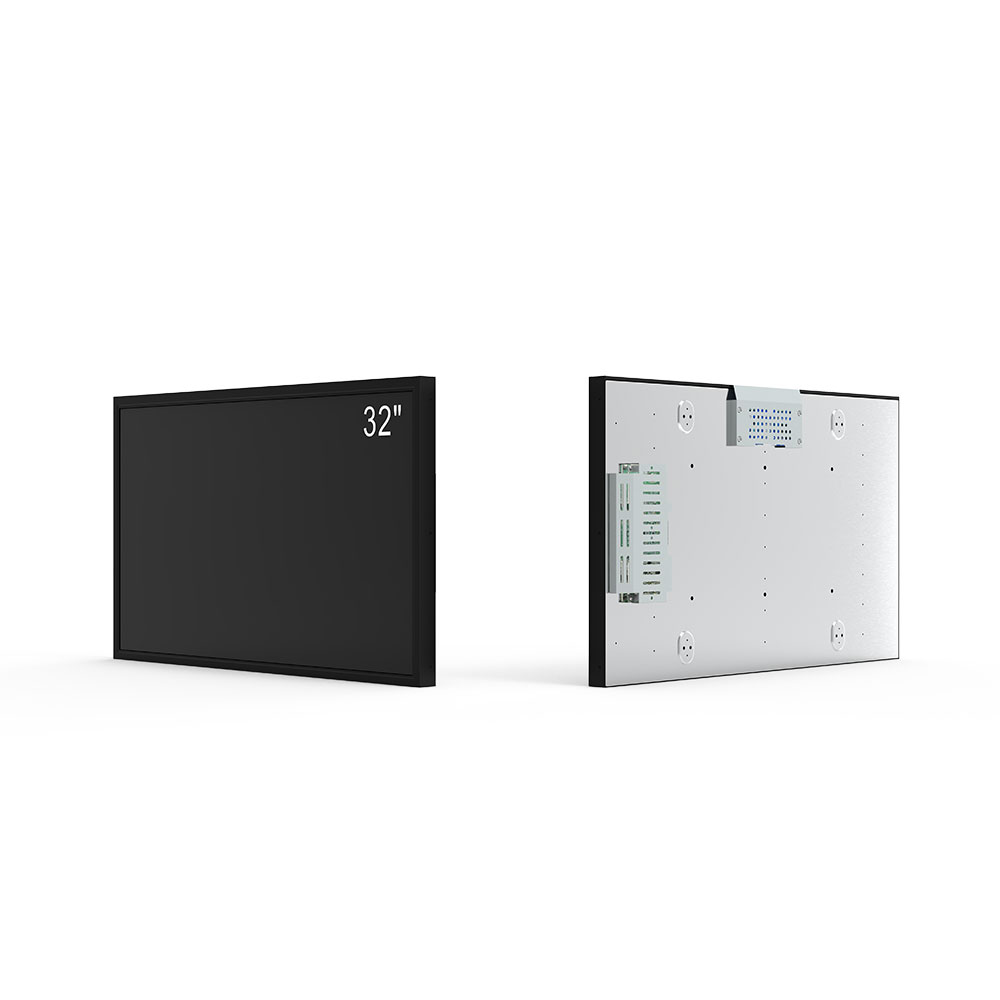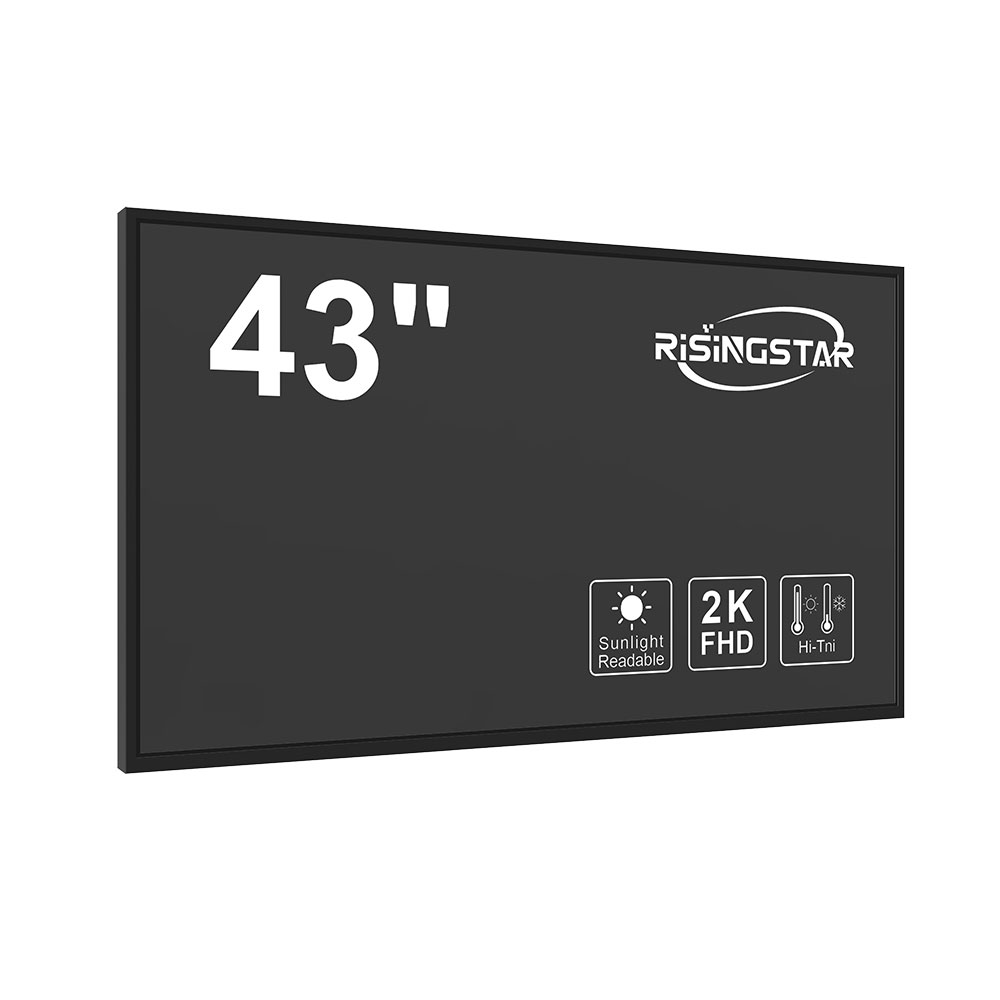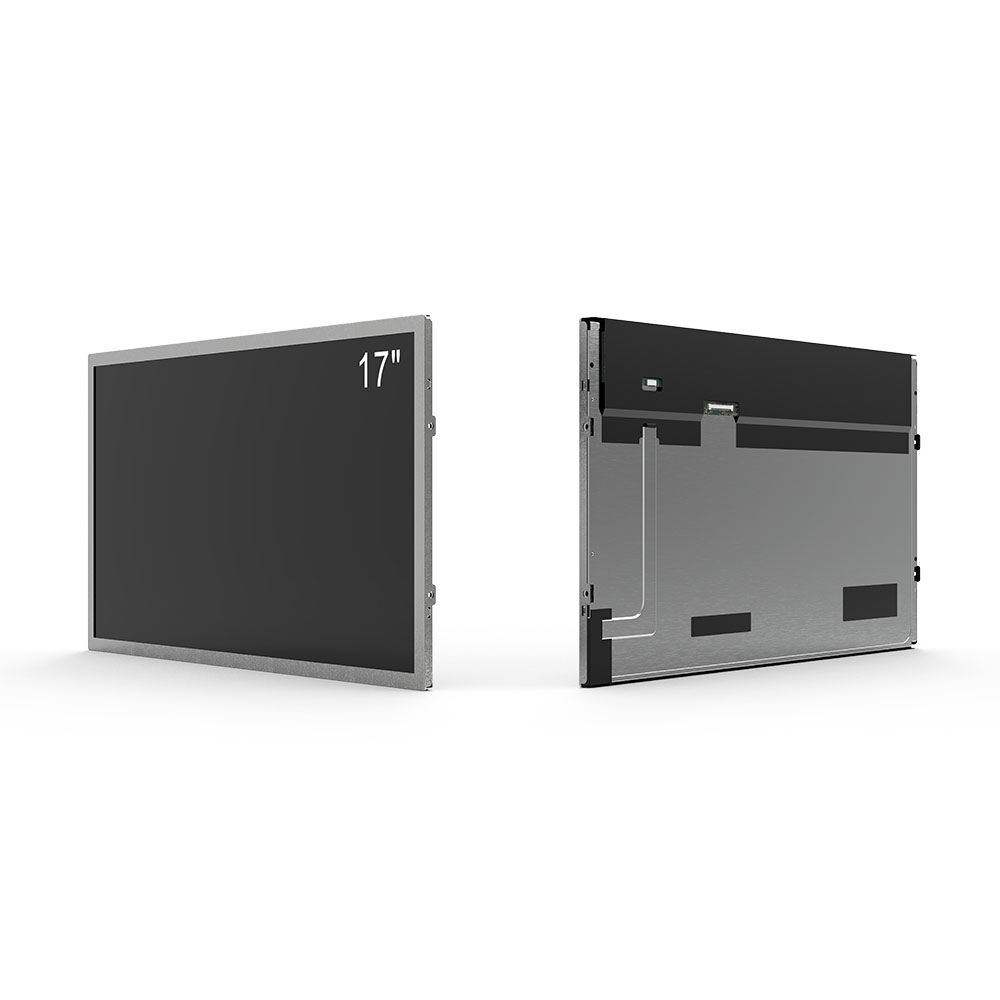
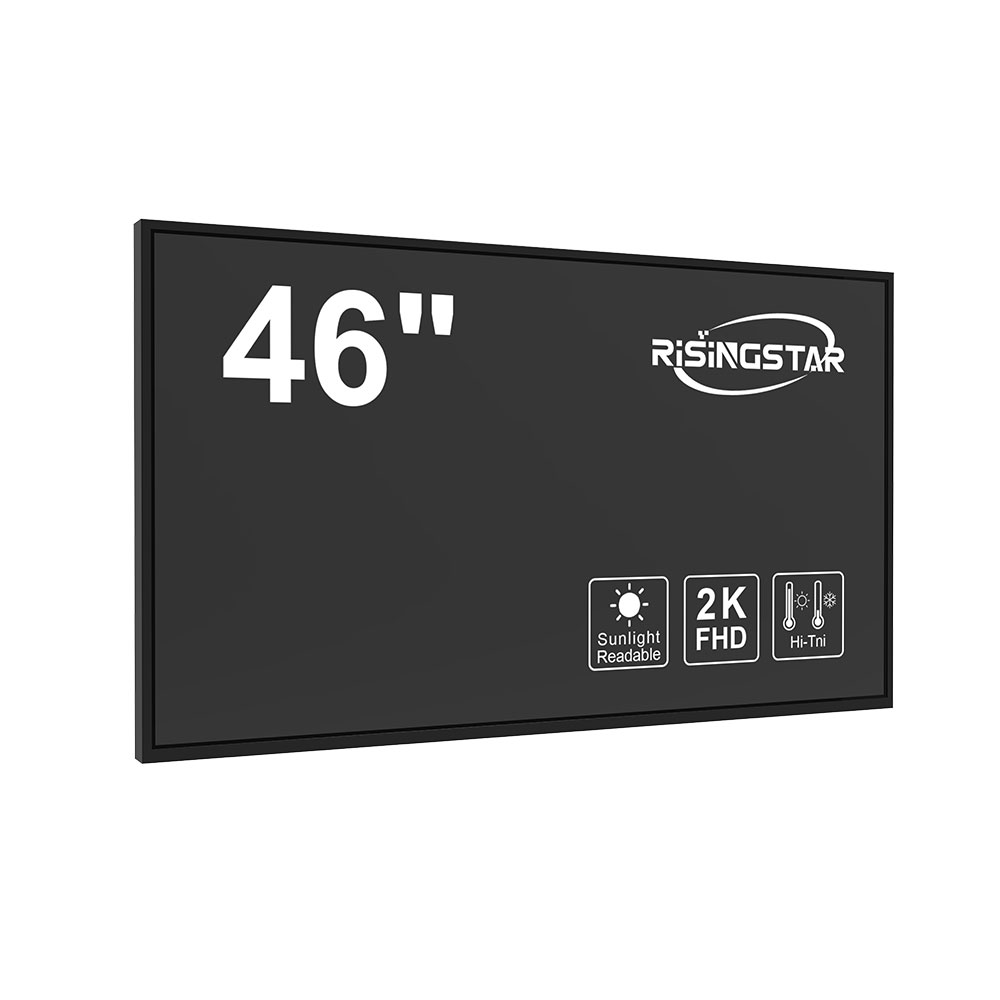
Sunlight readable high brightness LCD screens are essential in outdoor and high-ambient-light environments where visibility is critical—such as military vehicles, industrial control panels, construction equipment, and public transportation displays. These screens must maintain clarity under direct sunlight (typically 10,000 lux or more) while consuming minimal power and offering durability against vibration, temperature extremes, and moisture.
The core technology behind these displays lies in high-luminance backlighting, often using LED arrays with brightness levels exceeding 5,000 nits—far beyond standard indoor LCDs that typically max out at 300–500 nits. For example, the MIL-STD-188-125 standard mandates that display systems used in military applications must remain legible under full sunlight. To meet this, manufacturers integrate anti-glare coatings, polarized filters, and advanced optical bonding techniques that reduce internal reflections and enhance contrast ratio—even in harsh conditions.
Another key factor is the use of transflective liquid crystal technology, which combines reflective and transmissive modes. This allows the screen to operate efficiently in both low-light and bright environments without needing a powerful backlight all the time, thereby extending battery life in portable devices. A study by the Society for Information Display (SID) found that transflective LCDs can reduce power consumption by up to 40% compared to fully transmissive designs while maintaining readability in sunlight.
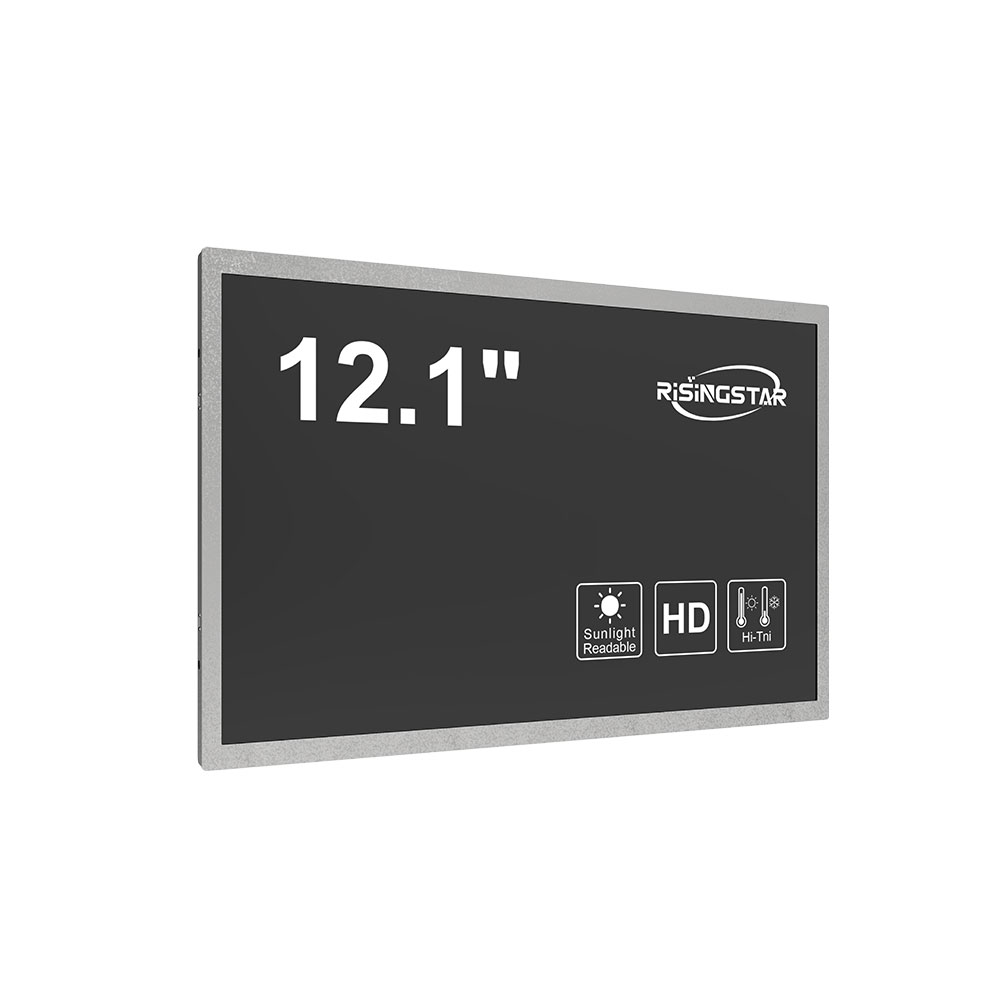
Moreover, industry leaders like Sharp, LG Display, and Japan Display have developed proprietary technologies such as “Sunlight Readable” and “Super Bright” series, which incorporate micro-lens arrays and optimized pixel structures to maximize light extraction efficiency. These innovations align with ISO 16750-3 standards for automotive electronics, ensuring reliability in vehicle dashboards exposed to extreme heat and UV radiation.
Real-world case studies from the oil and gas sector show that deploying sunlight-readable LCDs in drilling rig control systems reduced operator errors by 35% during daytime operations, according to a 2022 field report by Baker Hughes. Similarly, public transit agencies in Dubai and Singapore now mandate these displays for bus information boards due to their superior performance in desert and tropical climates.
For engineers designing for outdoor applications, selecting a certified sunlight-readable LCD involves evaluating not only brightness but also operating temperature range (-20°C to +70°C), IP65 ingress protection, and compliance with EMI/EMC regulations. The future of this technology includes integration with AI-based ambient light sensors and adaptive brightness algorithms to further optimize performance and energy efficiency.
In conclusion, sunlight readable high brightness LCDs are no longer niche—they are becoming a baseline requirement across industries demanding robust, visible, and reliable visual interfaces in real-world conditions.