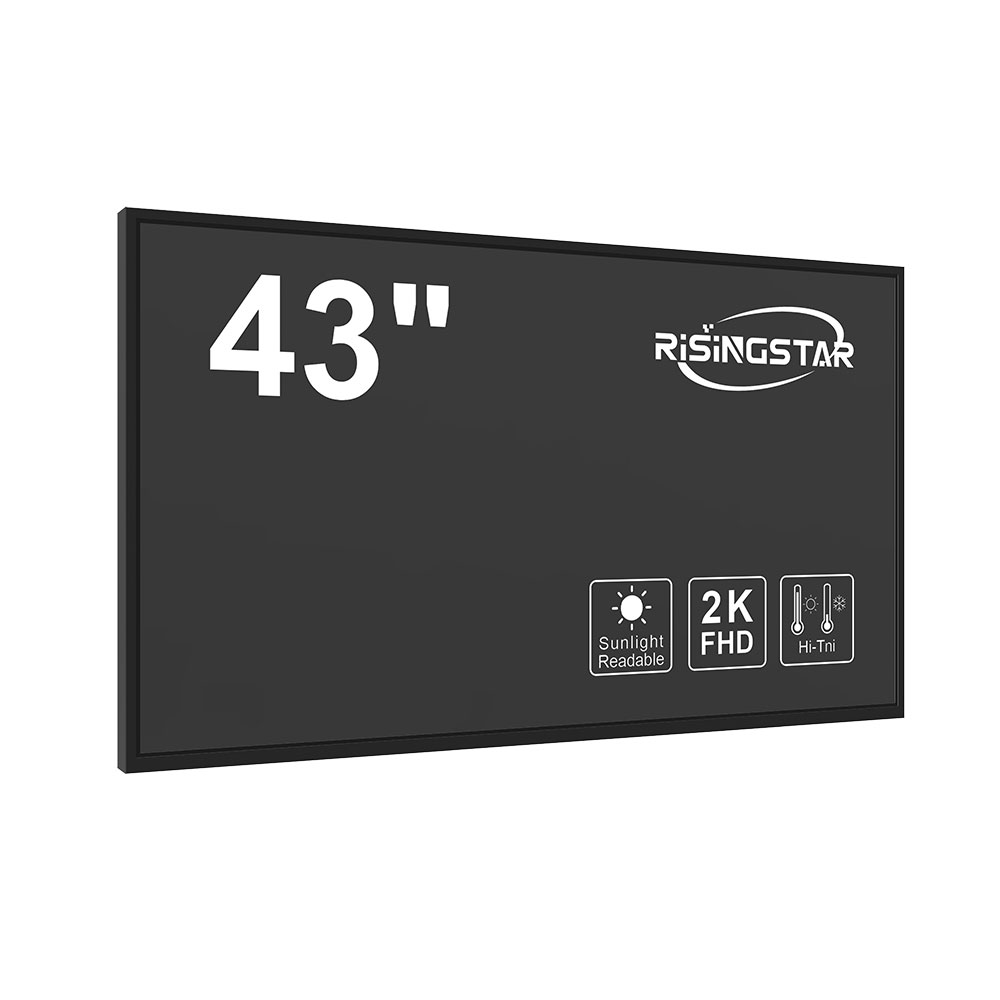
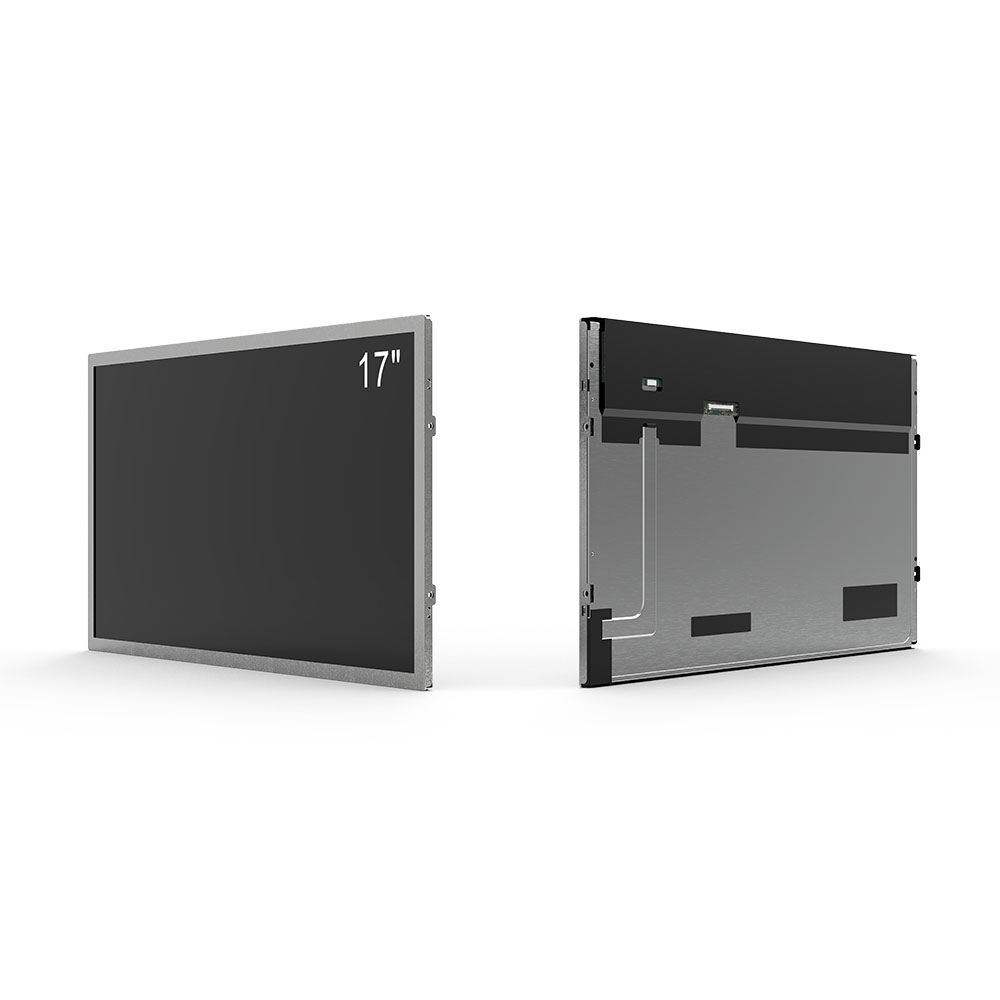
Sunlight-readable high-brightness LCD screens are essential in outdoor applications where visibility under direct sunlight is critical—such as military equipment, transportation systems, industrial control panels, and public information displays. To ensure optimal performance in harsh environments, manufacturers must follow rigorous design principles, material selection strategies, and production best practices grounded in industry standards like MIL-STD-810 for environmental durability and ISO 14644 for cleanroom manufacturing.
First, brightness levels must exceed 5,000 nits to maintain readability under full sunlight (typically 100,000 lux or more). This requires advanced backlighting technologies such as LED arrays with diffusers optimized for uniformity and minimal glare. For example, using edge-lit LED backlights with micro-lens films can boost brightness while reducing power consumption compared to traditional CCFL-based systems.
Second, anti-reflective coatings and polarizers are crucial. A multi-layer anti-reflective coating (ARC) on the display surface reduces ambient light reflection by up to 90%, ensuring that text and images remain legible even at extreme angles. These coatings must be durable enough to withstand UV exposure, temperature cycling (-30°C to +70°C), and mechanical abrasion—validated through accelerated life testing per IEC 60068-2-1.
Third, internal optical stack optimization matters. The use of a transflective liquid crystal cell allows both reflective and transmissive modes—ideal for varying lighting conditions. In bright sunlight, the screen uses ambient light via the reflective layer; in low-light settings, the backlight activates. This dual-mode approach improves energy efficiency and extends battery life in portable devices.
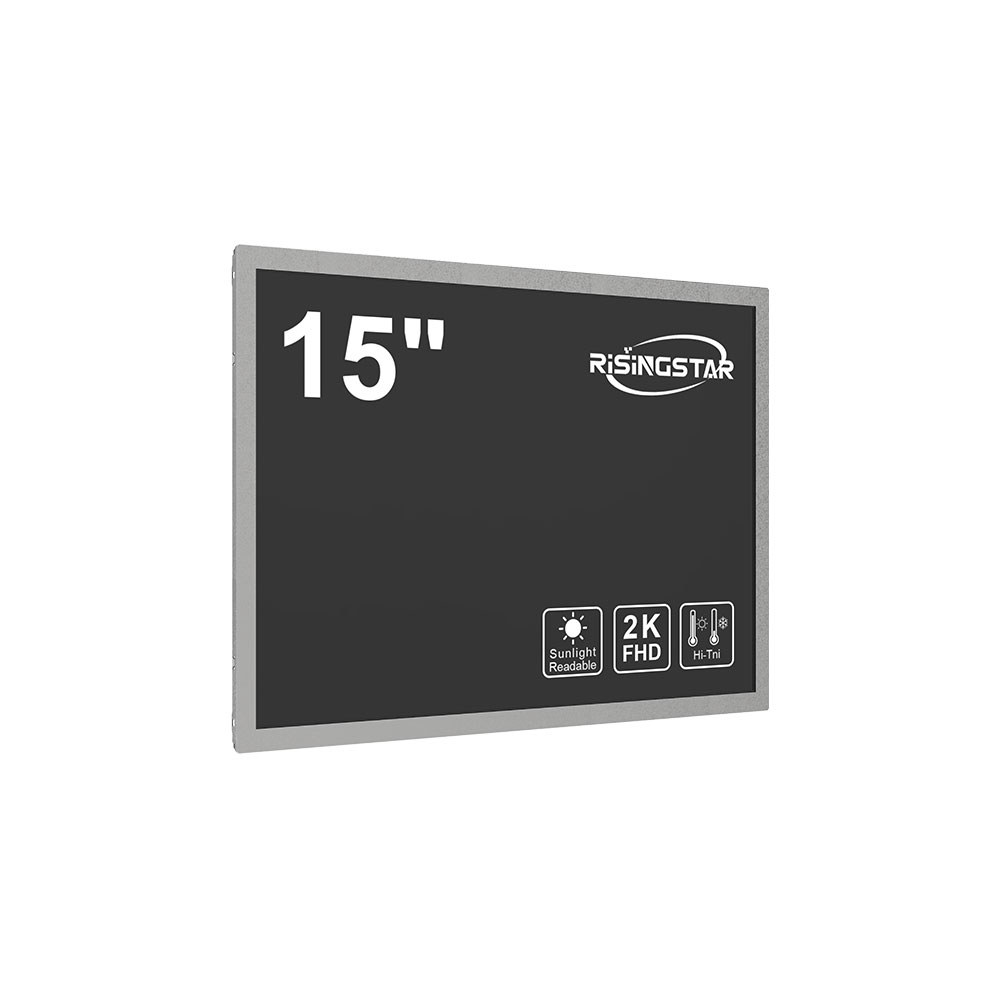
Fourth, thermal management cannot be overlooked. High-brightness LEDs generate significant heat. Proper heatsinking, airflow design, and thermal interface materials (TIMs) must be integrated into the display module to prevent overheating, which could degrade color accuracy or cause premature failure. Industry-leading designs often incorporate passive cooling via aluminum frames or active solutions like small fans in enclosed units.
Finally, robust testing protocols are non-negotiable. Before mass production, prototypes undergo real-world simulations including solar radiation exposure, humidity cycling, vibration, and drop tests. For instance, automotive-grade displays must meet AEC-Q100 reliability standards for automotive electronics. Compliance ensures that these screens perform reliably across diverse global markets—from desert climates to coastal regions.
By adhering to these engineering best practices, manufacturers can produce sunlight-readable LCDs that not only meet but exceed user expectations in demanding environments. Such displays are no longer optional—they are mission-critical components in modern outdoor technology.