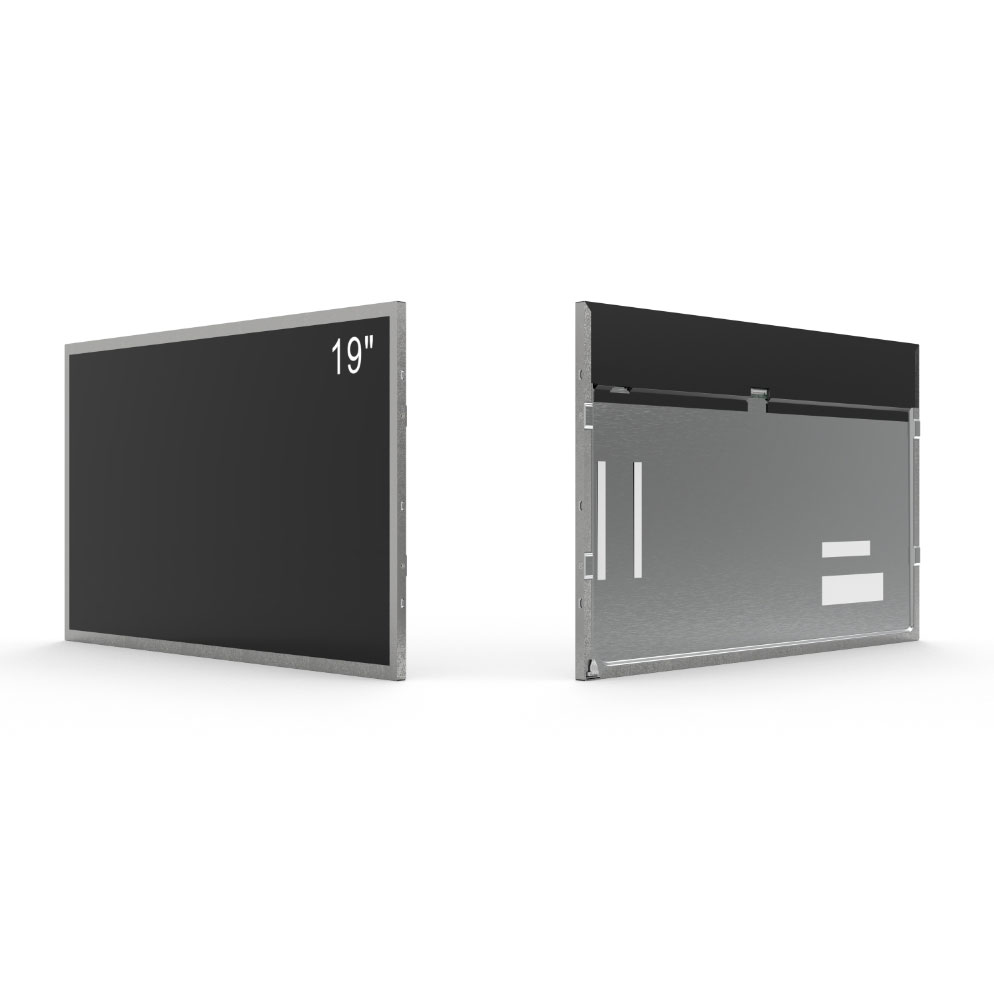
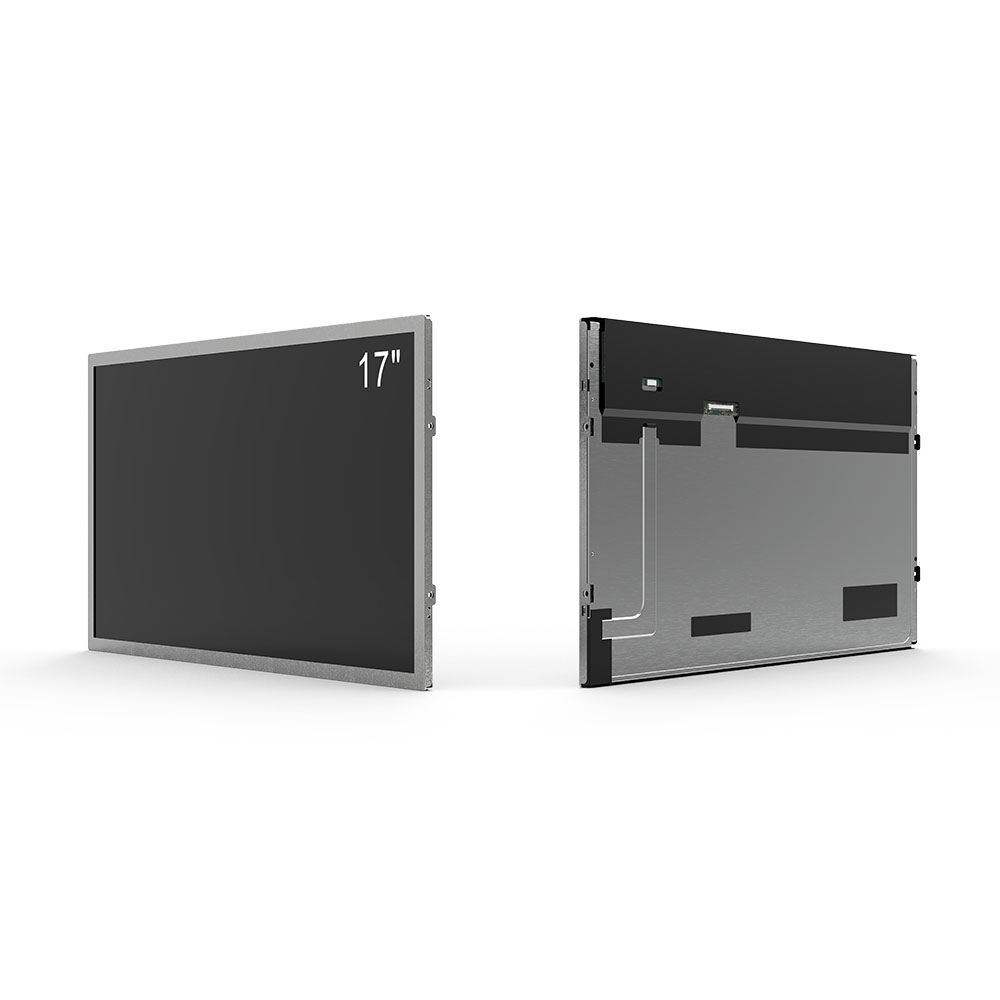
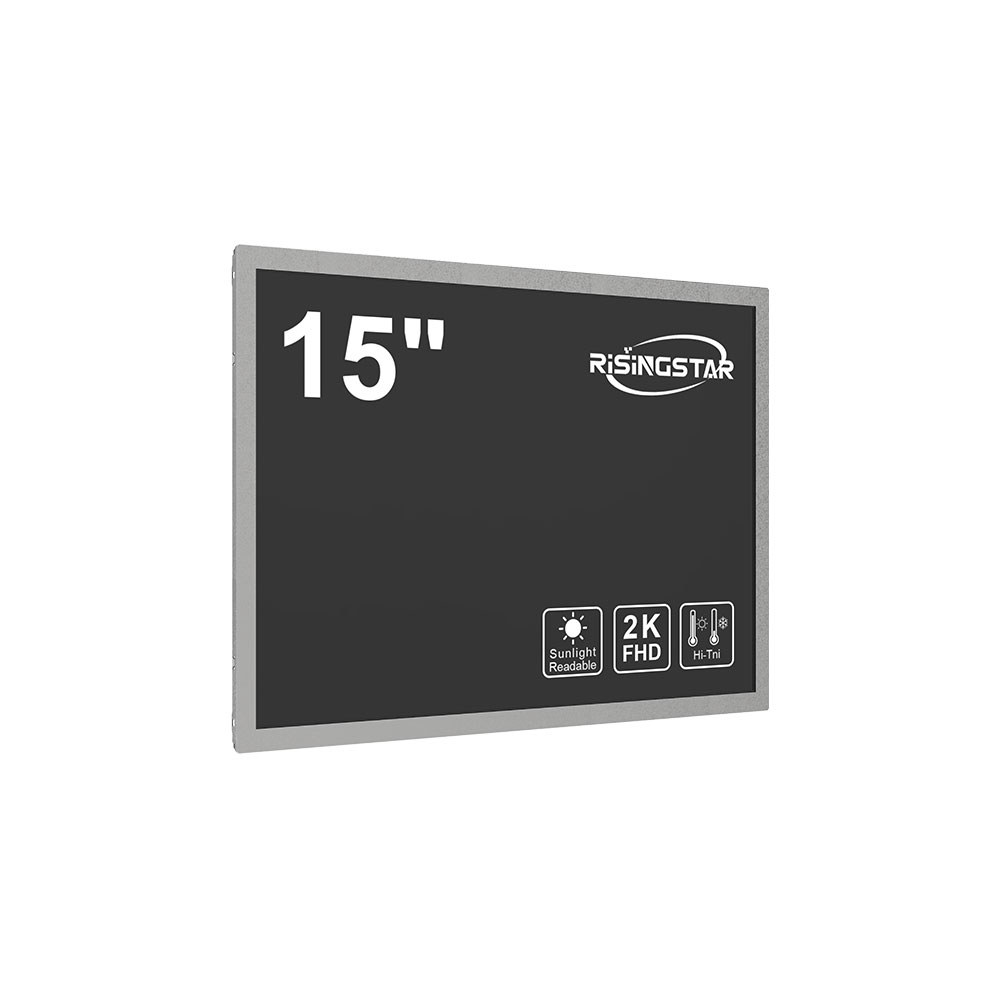
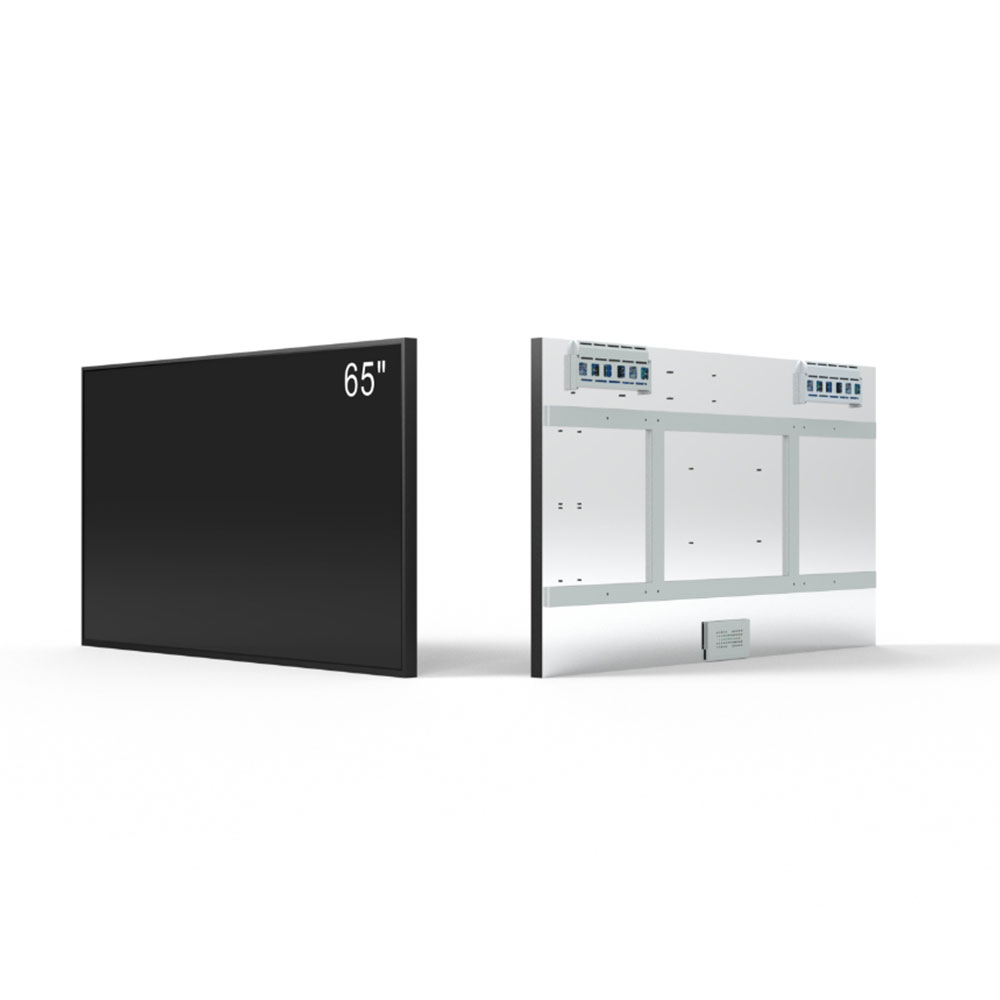
Sunlight readable high brightness LCD screens have become indispensable in outdoor and industrial environments where visibility under direct sunlight is critical. These displays are engineered to maintain clarity, contrast, and color accuracy even under extreme lighting conditions—ranging from 10,000 to 100,000 lux of ambient light. They are widely used in transportation (e.g., vehicle dashboards, aviation heads-up displays), military systems, retail kiosks, medical devices, and public information systems such as digital signage in airports or train stations.
One of the key advantages of these screens is their ability to provide consistent performance in variable lighting conditions without requiring user intervention. Unlike standard LCDs that suffer from glare and washout under bright sun, high-brightness LCDs incorporate advanced technologies like anti-glare coatings, enhanced backlighting (often LED-based with up to 5,000 nits peak brightness), and optimized liquid crystal materials. For instance, a typical sunlight-readable display may use a transflective mode that combines reflective and transmissive properties—boosting visibility both indoors and outdoors while minimizing power consumption.
Practical applications continue to expand as industries seek ruggedized, low-maintenance solutions. In smart city deployments, municipal authorities use high-brightness LCDs in interactive wayfinding terminals exposed to full daylight. Similarly, in agriculture, solar-powered IoT sensors equipped with these displays enable real-time data access in open-field operations. The integration of touch functionality—such as capacitive or resistive touch layers resistant to gloves or moisture—further enhances usability in harsh conditions.
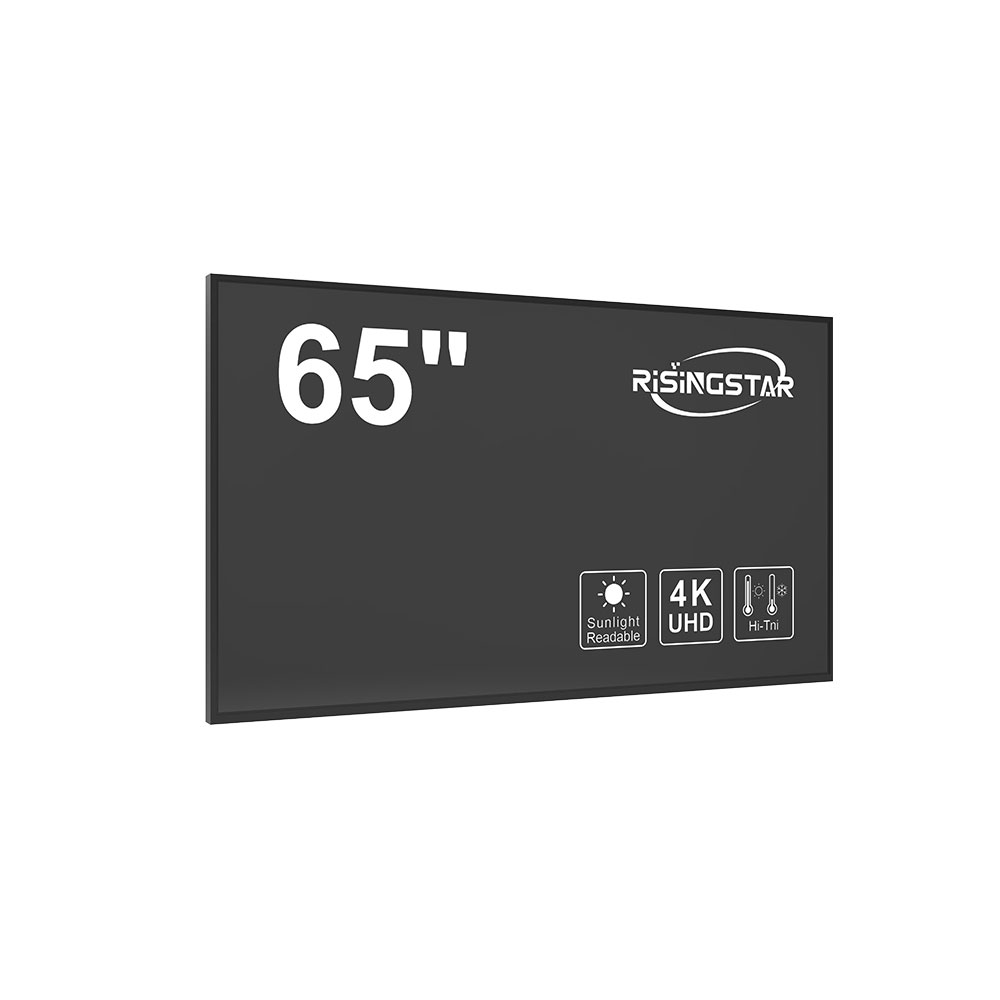
However, common problems persist. Thermal management remains a challenge; excessive heat from high-brightness backlights can reduce lifespan if not properly dissipated. Additionally, inconsistent viewing angles or poor contrast ratios at extreme temperatures (below -20°C or above 60°C) can degrade image quality. To address this, manufacturers now follow MIL-STD-810G and IP65/IP67 standards for environmental resilience, ensuring durability in dust, humidity, and vibration-prone settings.
The latest trend in this field is the move toward mini-LED and micro-LED backlighting, which offer superior local dimming and higher contrast than traditional LED arrays. Combined with AI-driven adaptive brightness control—where screen luminance adjusts dynamically based on ambient light sensors—the next generation of displays promises better energy efficiency and visual fidelity. As global demand for outdoor-ready electronics grows, especially in EV charging stations, autonomous vehicles, and remote monitoring systems, the evolution of sunlight-readable high-brightness LCDs will remain central to reliable human-machine interfaces.