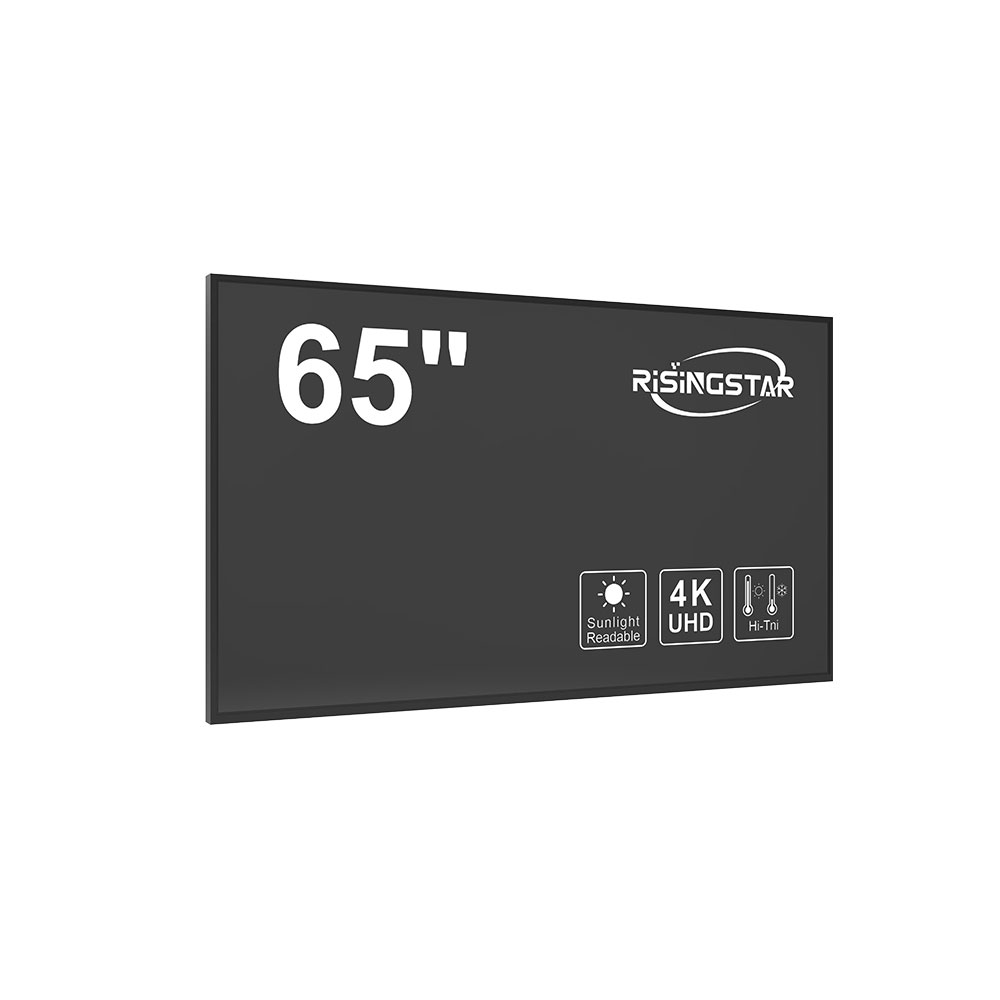
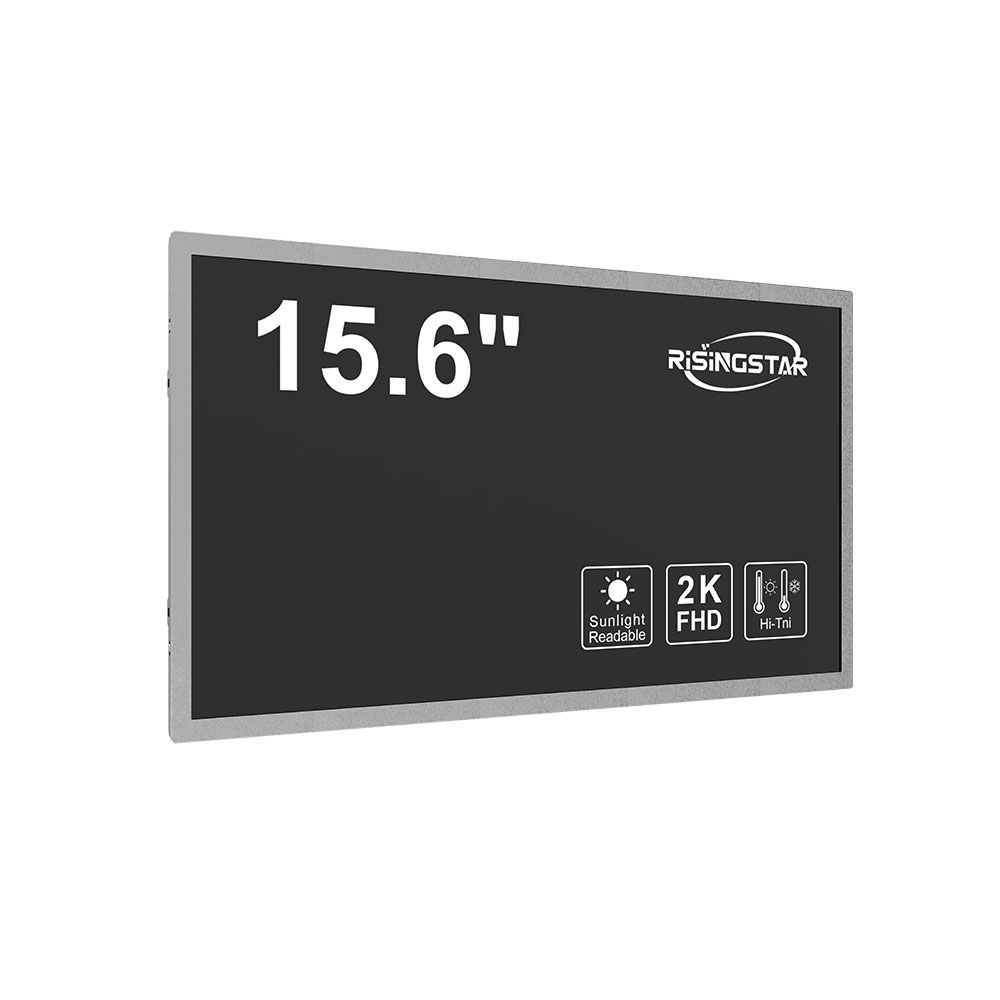
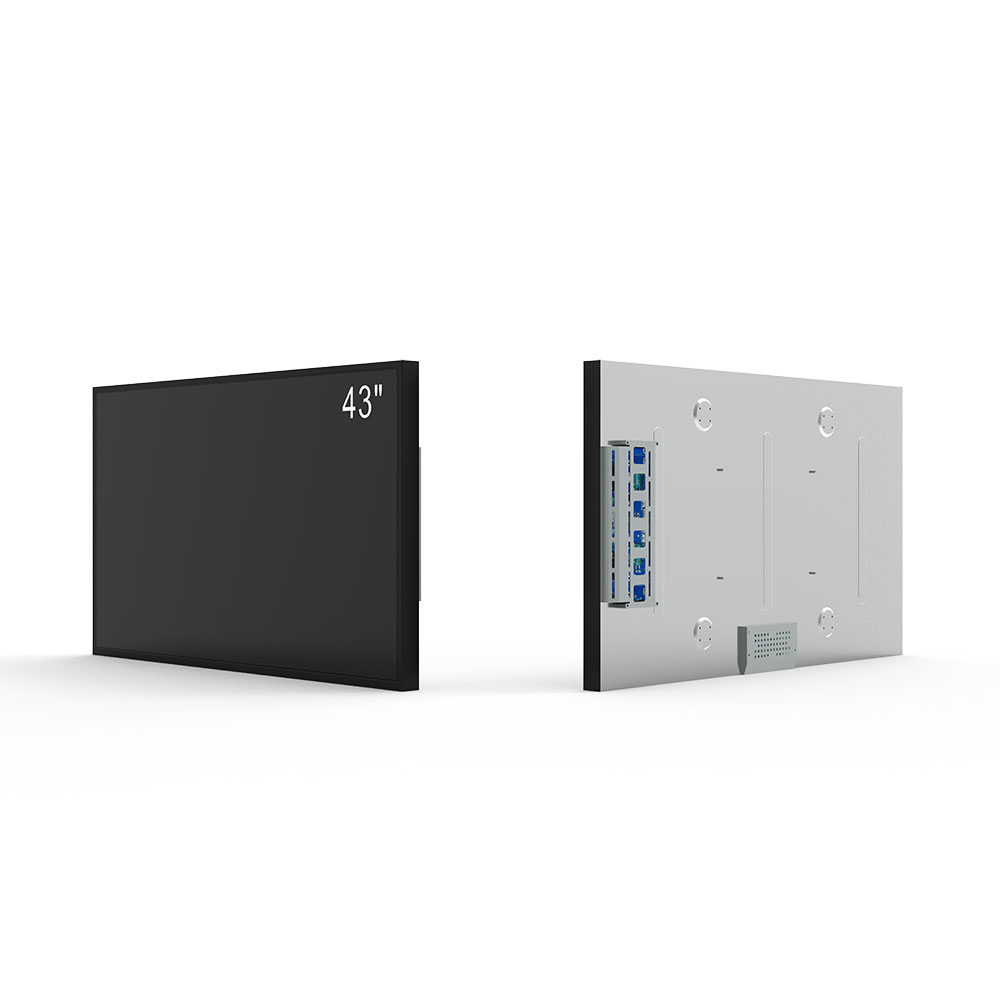
In today’s fast-paced retail environment, shopping malls are no longer just places to buy goods—they’re immersive experiences that blend entertainment, information, and convenience. One of the most impactful technologies driving this transformation is digital signage. From dynamic product promotions to real-time wayfinding, digital signage in shopping malls has evolved into a smart, data-driven communication tool that boosts foot traffic, increases dwell time, and enhances customer satisfaction.
Modern digital signage systems use high-resolution LED or LCD displays strategically placed in lobbies, corridors, food courts, and near key stores. These screens go beyond static ads; they deliver interactive content such as event calendars, store-specific discounts, weather updates, and even live social media feeds. For example, a mall in Singapore deployed AI-powered digital signage that adjusts advertising based on crowd density and time of day—resulting in a 35% increase in engagement during peak hours.
Another critical benefit lies in personalized marketing. With facial recognition and anonymized data analytics, digital signage can tailor messages to demographic segments like age groups or gender, without compromising privacy. A study by Retail TouchPoints (2023) found that 78% of shoppers felt more positively about brands that used targeted digital messaging in public spaces.
Moreover, digital signage supports operational efficiency. Malls now integrate these systems with their point-of-sale (POS) networks to display real-time inventory levels, promotional countdowns, and loyalty program updates—creating seamless cross-channel experiences. During holiday seasons, digital kiosks in malls have been shown to reduce staff workload by up to 40% while improving guest service speed.
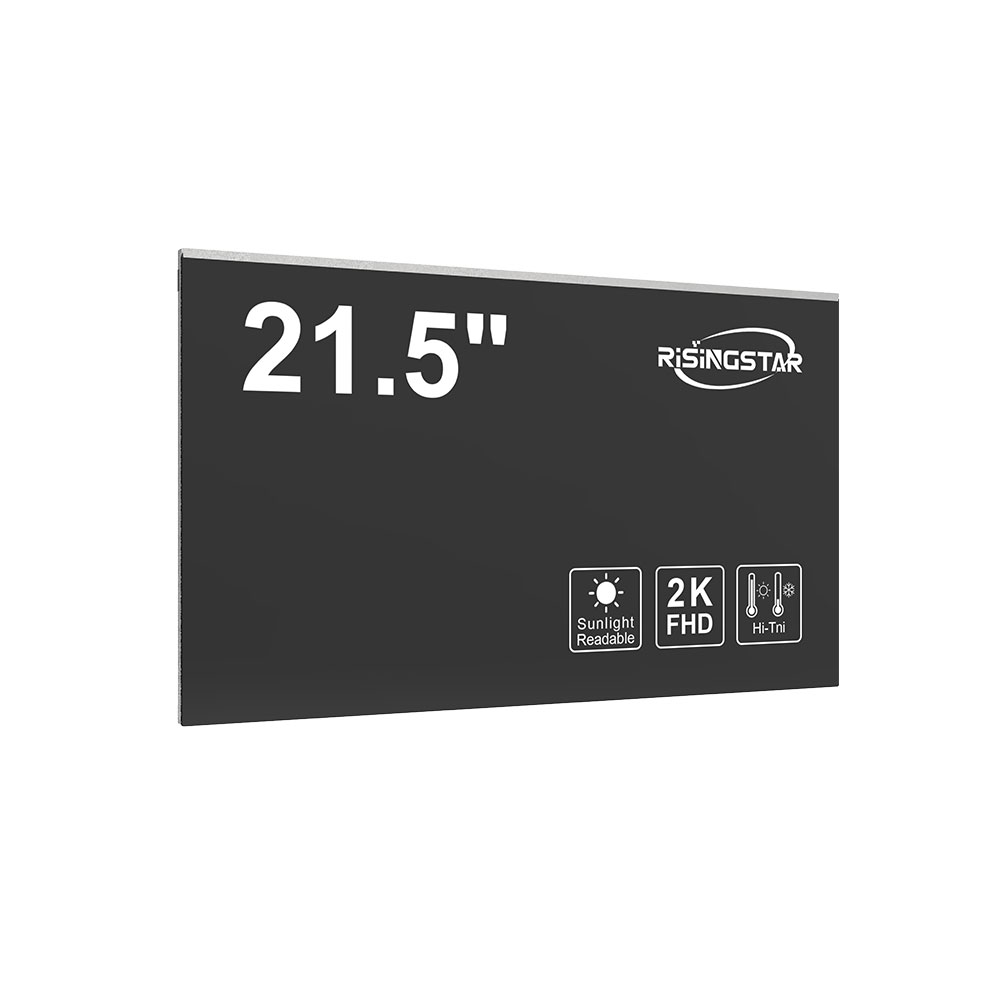
For mall operators, choosing the right digital signage solution means investing in scalable platforms like BrightSign, LG Digital Signage, or Samsung Smart Signage. These systems support remote content management, multi-screen synchronization, and compatibility with third-party apps such as Google Ads or Salesforce CRM.
As consumer expectations shift toward smarter, more engaging environments, digital signage is no longer optional—it’s essential for competitive advantage in modern retail. Whether it’s guiding shoppers to a specific store or turning idle waiting time into brand-building moments, digital signage delivers measurable ROI in both customer experience and revenue growth.