When selecting an LCD panel for your display application—whether it's for consumer electronics, industrial equipment, or medical devices—it's essential to understand the key technical parameters that influence performance, longevity, and cost-effectiveness. This guide walks you through the critical factors to consider when choosing the right LCD panel for your specific use case.
Start with the type of LCD technology. The most common types include Twisted Nematic (TN), In-Plane Switching (IPS), Vertical Alignment (VA), and Advanced Super View (ASV). TN panels offer fast response times but limited viewing angles and color accuracy, making them ideal for gaming monitors. IPS panels provide superior color reproduction and wide viewing angles, commonly used in graphic design and professional displays. VA panels balance contrast ratios and response times, often found in home entertainment systems. ASV is a variant of VA optimized for better black levels and wider viewing angles, suitable for high-end commercial displays.

Next, evaluate resolution and pixel density. For consumer devices like smartphones and tablets, higher resolutions such as Full HD (1920x1080) or Quad HD (2560x1440) are standard. Industrial applications may prioritize clarity over raw resolution, using lower-pixel-density panels that are more durable and cost-efficient. Always match the panel resolution to the target device’s intended use and screen size.
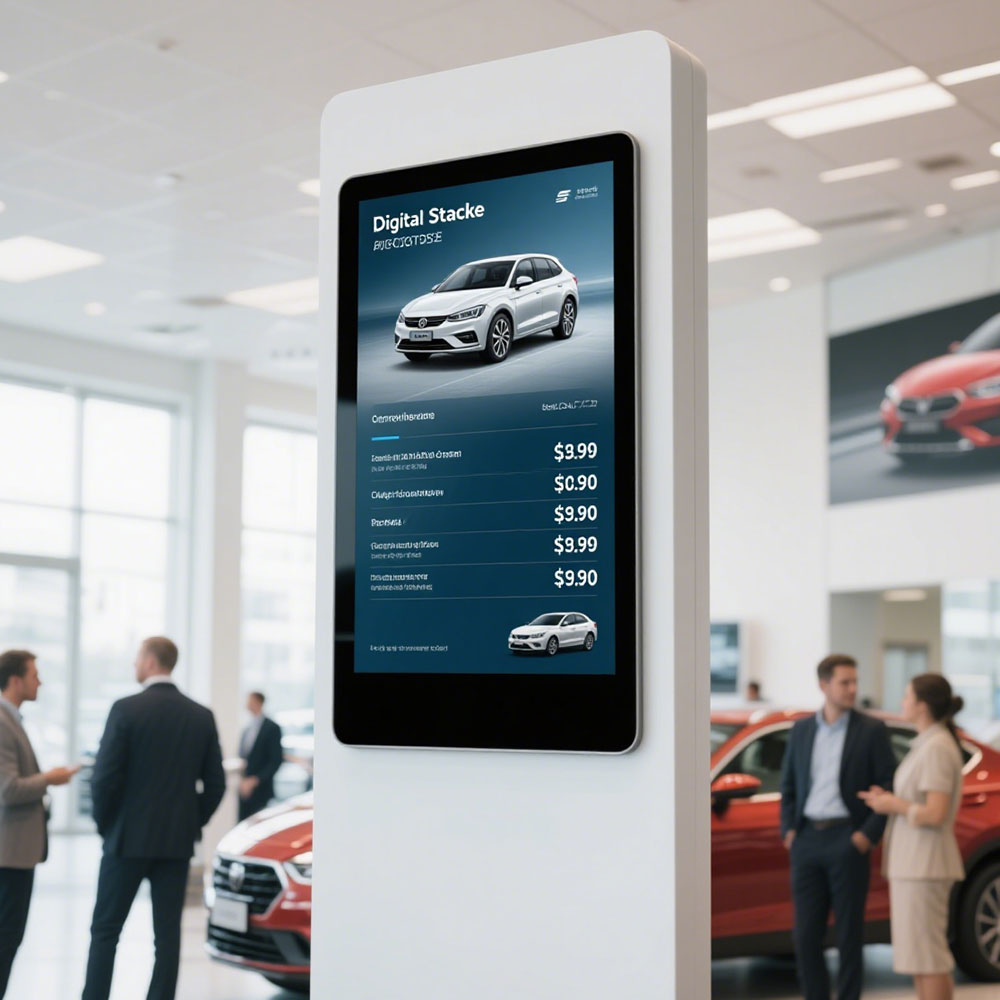
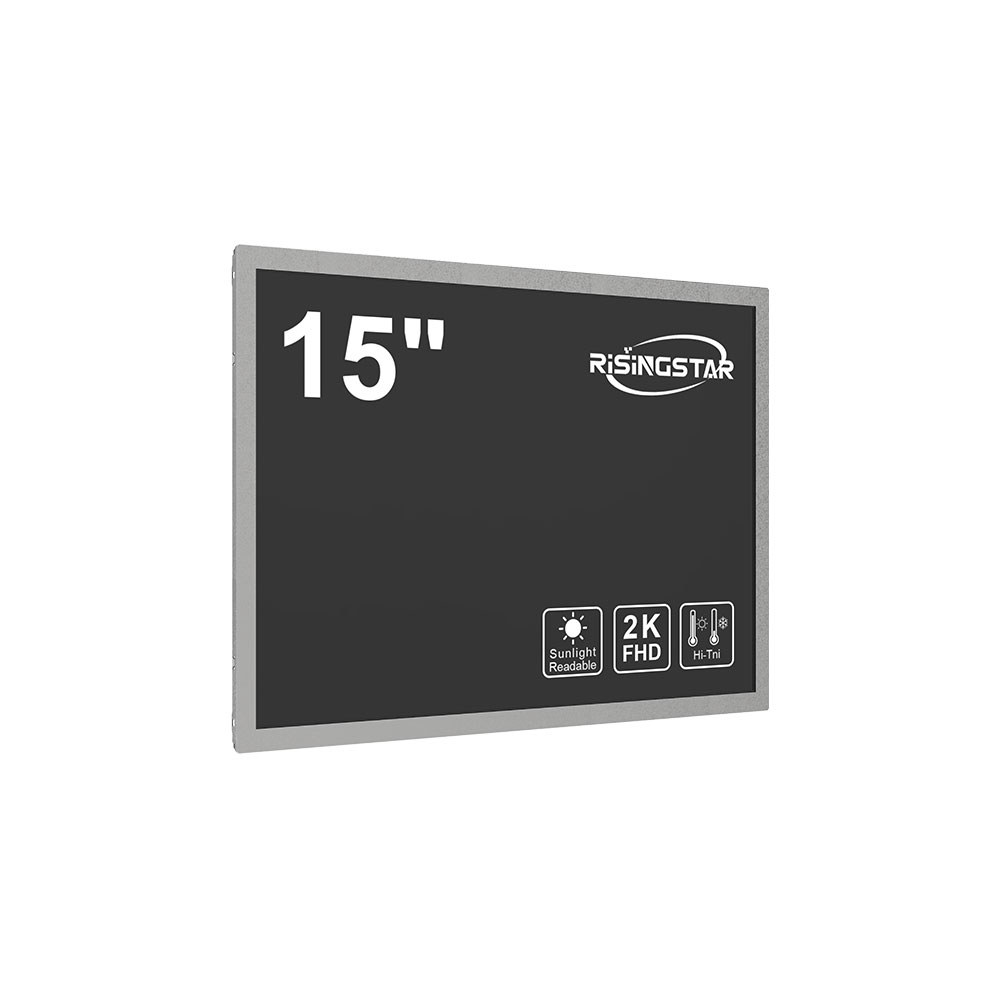
Brightness, measured in nits, is another vital specification. A 300-nit panel may suffice for indoor environments, while outdoor or sunlight-readable displays require at least 1000 nits. High-brightness panels often use backlight optimization techniques like local dimming or LED arrays for improved visibility under direct sunlight.
Environmental resilience matters too. Industrial and automotive applications demand panels rated for extended temperature ranges (-20°C to +70°C), resistance to vibration, and anti-glare coatings. Look for MIL-STD-810G or IP65 certifications for ruggedized LCDs. These ensure reliable operation in harsh conditions.
Lastly, consider lifespan and maintenance. LCD panels degrade over time due to aging backlights and liquid crystal fatigue. Panels with longer MTBF (Mean Time Between Failures) values—typically 50,000 hours or more—are preferable for mission-critical applications. Regular calibration and firmware updates can extend usable life and maintain image quality.
In conclusion, choosing the right LCD panel requires balancing performance metrics like resolution, brightness, and viewing angle with environmental durability and long-term reliability. Whether you're designing a consumer product or an industrial system, aligning the panel specifications with real-world usage ensures optimal user experience and return on investment.