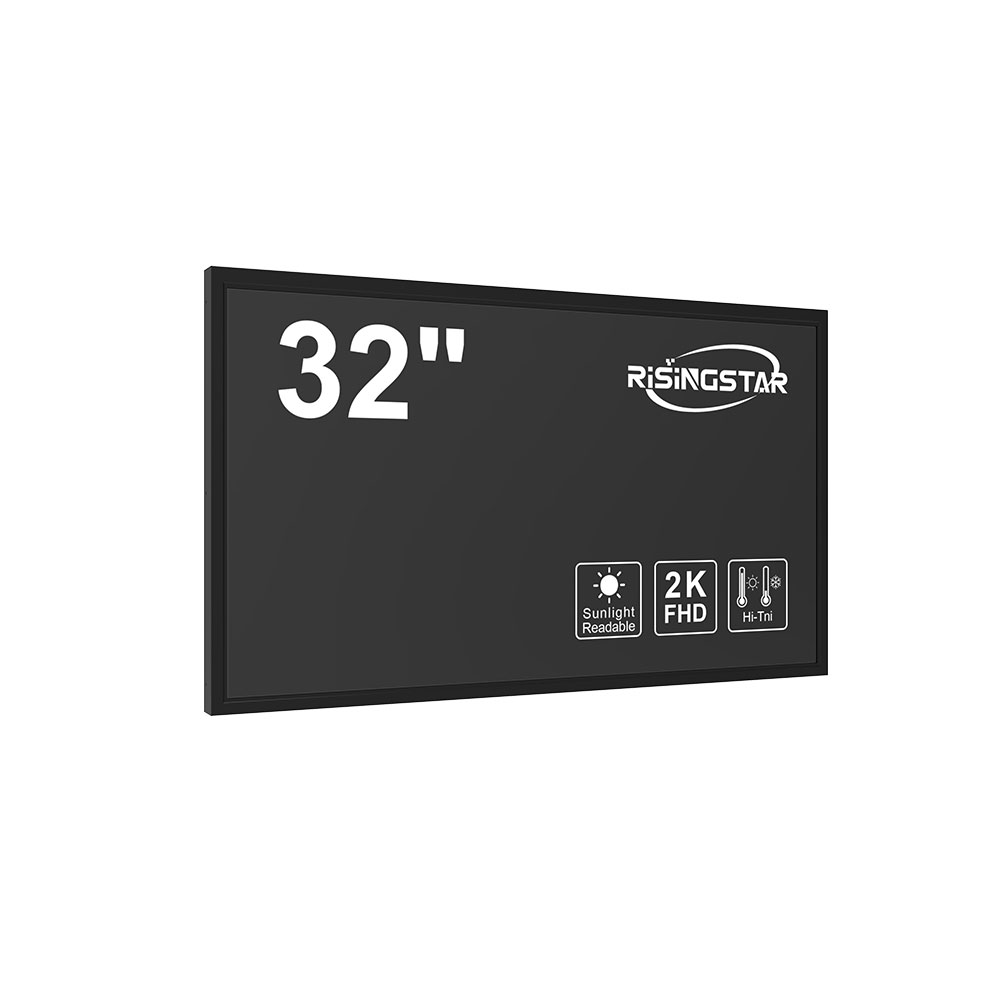
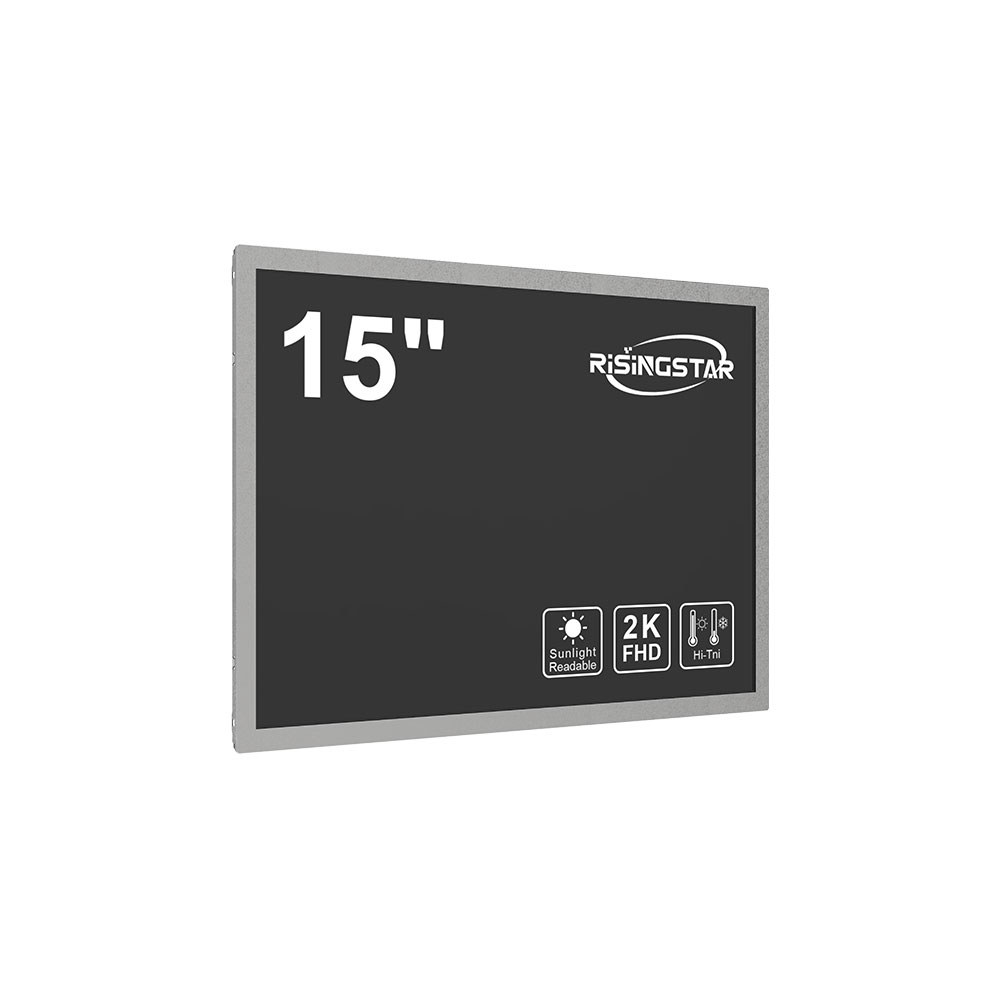
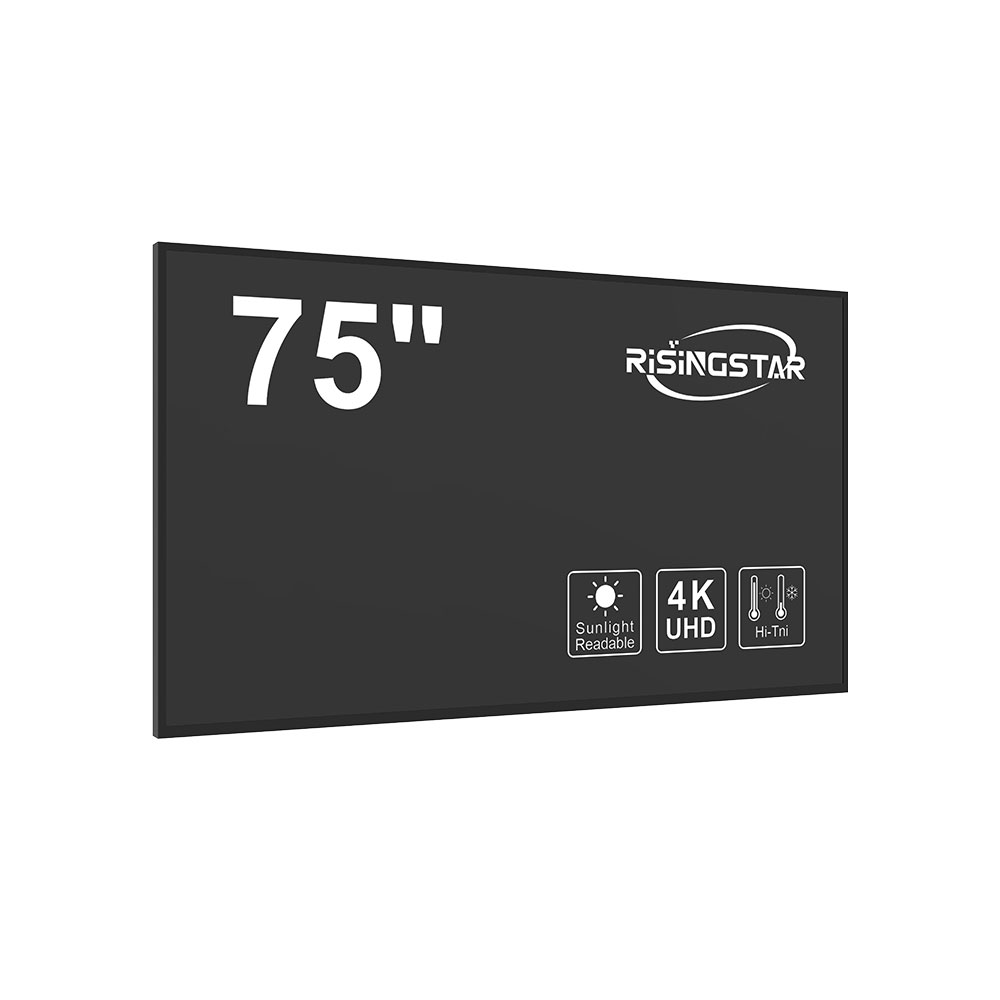
Selecting the appropriate LCD panel is a critical step in designing any modern display system—from consumer electronics like smartphones and TVs to industrial monitors used in manufacturing and medical imaging. The wrong choice can lead to poor image quality, high power consumption, or even premature failure under environmental stress. Industry standards such as those from the Society of Motion Picture and Television Engineers (SMPTE) and the International Electrotechnical Commission (IEC) provide guidelines for evaluating performance metrics like contrast ratio, response time, and brightness uniformity.
For consumer applications, IPS (In-Plane Switching) panels are widely preferred due to their superior color accuracy and wide viewing angles—making them ideal for devices where user interaction is frequent and visual consistency matters, such as tablets and laptops. In contrast, TN (Twisted Nematic) panels remain popular in budget-friendly gaming monitors because of their fast response times, typically under 1ms, though they sacrifice color fidelity and viewing angle performance. VA (Vertical Alignment) panels offer a strong balance between contrast and response time, often used in home theater displays where deep blacks and vivid images are prioritized.
In industrial environments, ruggedized LCD panels with extended temperature ranges (from -30°C to +70°C), anti-glare coatings, and high luminance (>1000 cd/m²) are essential. These are commonly found in automotive dashboards, outdoor kiosks, and factory control systems. According to a 2023 report by MarketsandMarkets, demand for industrial-grade LCDs is growing at a CAGR of 6.8% globally, driven by smart manufacturing initiatives.
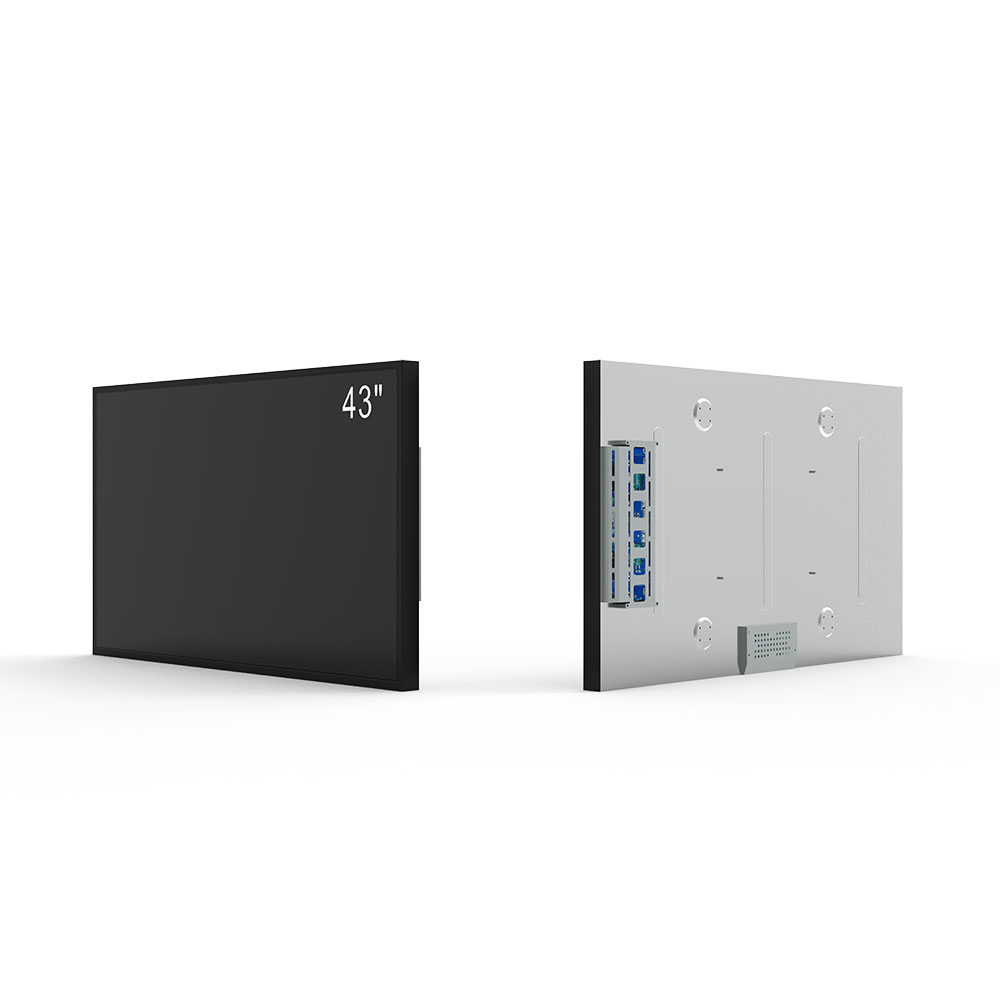
Environmental resilience also plays a role: MIL-STD-810G-certified panels undergo rigorous shock, vibration, and humidity tests, ensuring reliability in harsh conditions. For example, LG Display’s LTPS (Low-Temperature Polycrystalline Silicon) technology enables ultra-thin, low-power panels suitable for wearable devices like AR glasses and smartwatches. Meanwhile, OLED-based alternatives are gaining traction in premium segments, though they come at higher costs and face durability challenges under prolonged sunlight exposure.
Ultimately, the decision must align with application-specific needs: resolution requirements, power constraints, lifespan expectations, and environmental factors. A structured evaluation using tools like the LCD Selection Matrix from Display Supply Chain Consultants (DSCC) helps engineers match specifications to real-world performance. Whether you're developing a medical monitor that must meet FDA Class II regulations or an embedded system for aerospace use requiring DO-160 compliance, choosing the right LCD isn’t just about specs—it’s about reliability, longevity, and user experience.