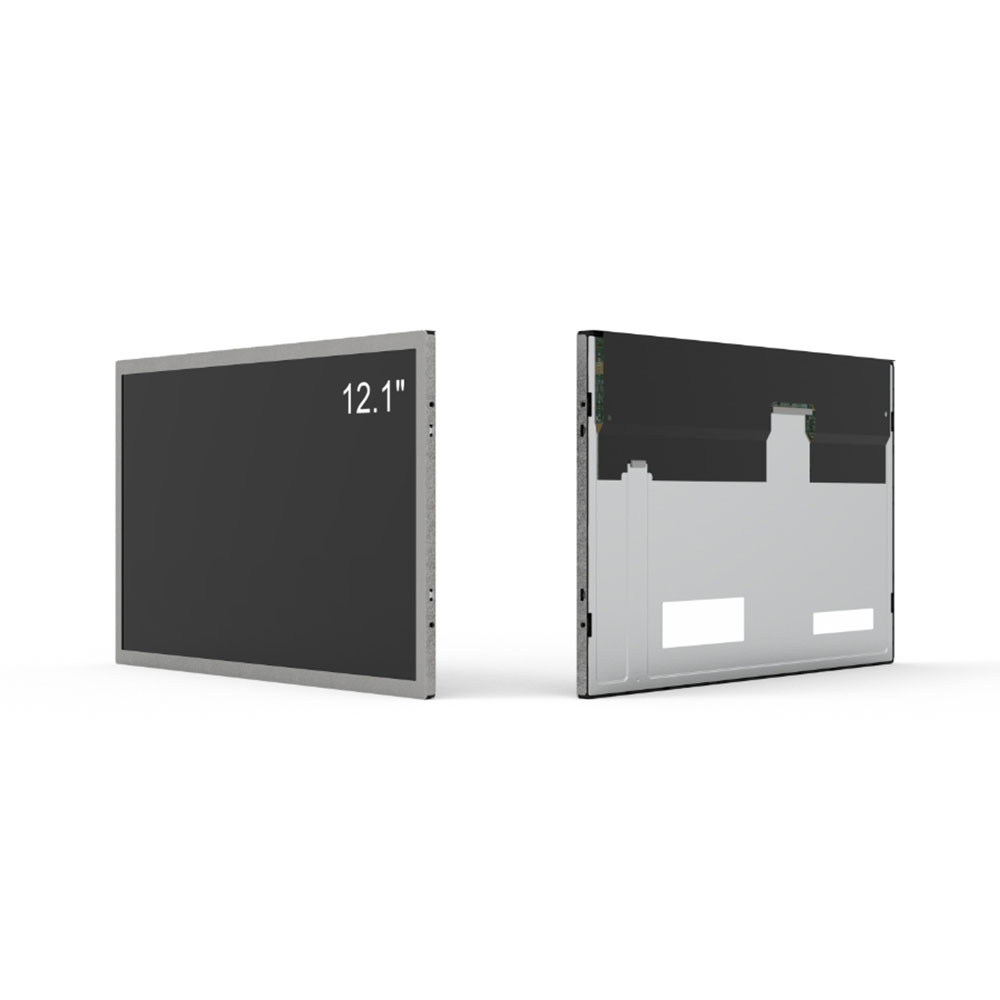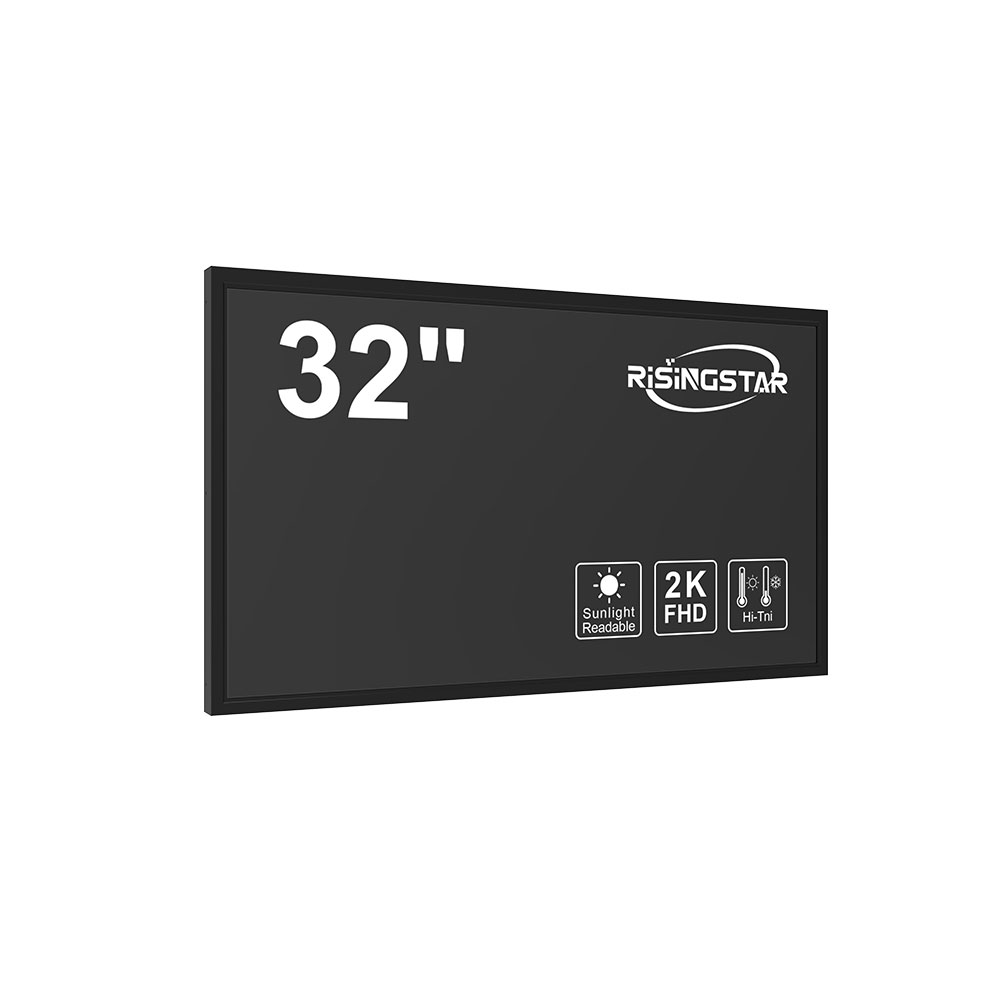
When selecting an LCD display for industrial applications, engineers must consider multiple critical factors beyond just screen size and resolution. Industrial environments often involve extreme temperatures, vibration, dust, and moisture—conditions that demand ruggedized displays designed for reliability under stress. For example, a standard consumer-grade LCD might fail within weeks in a factory setting, while an industrial-grade panel with IP65 protection can operate reliably for years.
Key considerations include operating temperature range (e.g., -20°C to 70°C), brightness levels (at least 1000 nits for outdoor visibility), and viewing angles (wide-angle IPS panels are preferred). Additionally, touch functionality must be evaluated—capacitive touch may degrade in cold or wet conditions, whereas resistive touch remains stable.
Manufacturers like LG, Sharp, and Innolux offer certified industrial LCDs compliant with IEC 60068-2 standards for environmental testing. These panels undergo rigorous shock, vibration, and humidity tests before certification. A real-world case from a mining equipment manufacturer shows that switching from commercial to industrial-grade displays reduced field failures by over 85%.
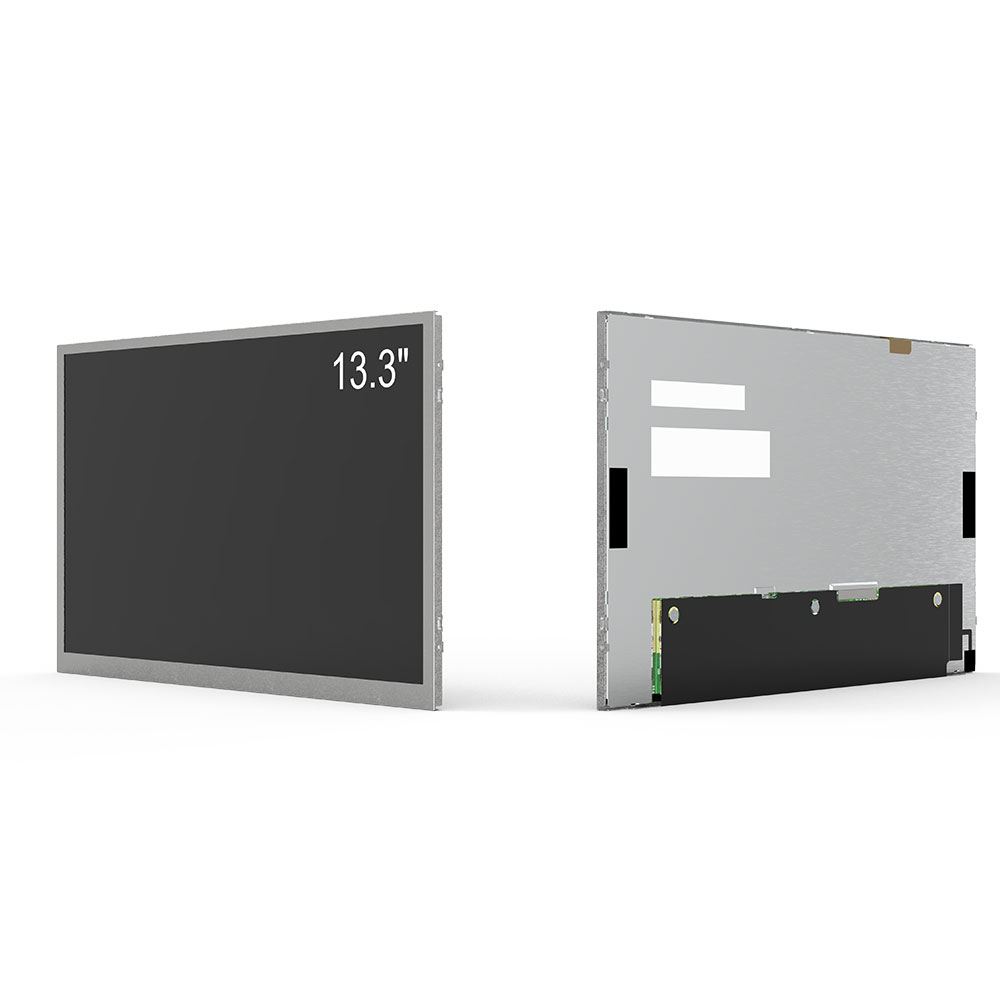
Power consumption is another crucial factor—especially in battery-powered systems. Low-power OLEDs or e-ink displays may be preferable in some scenarios, though traditional TFT-LCDs remain dominant due to cost-effectiveness and mature supply chains.
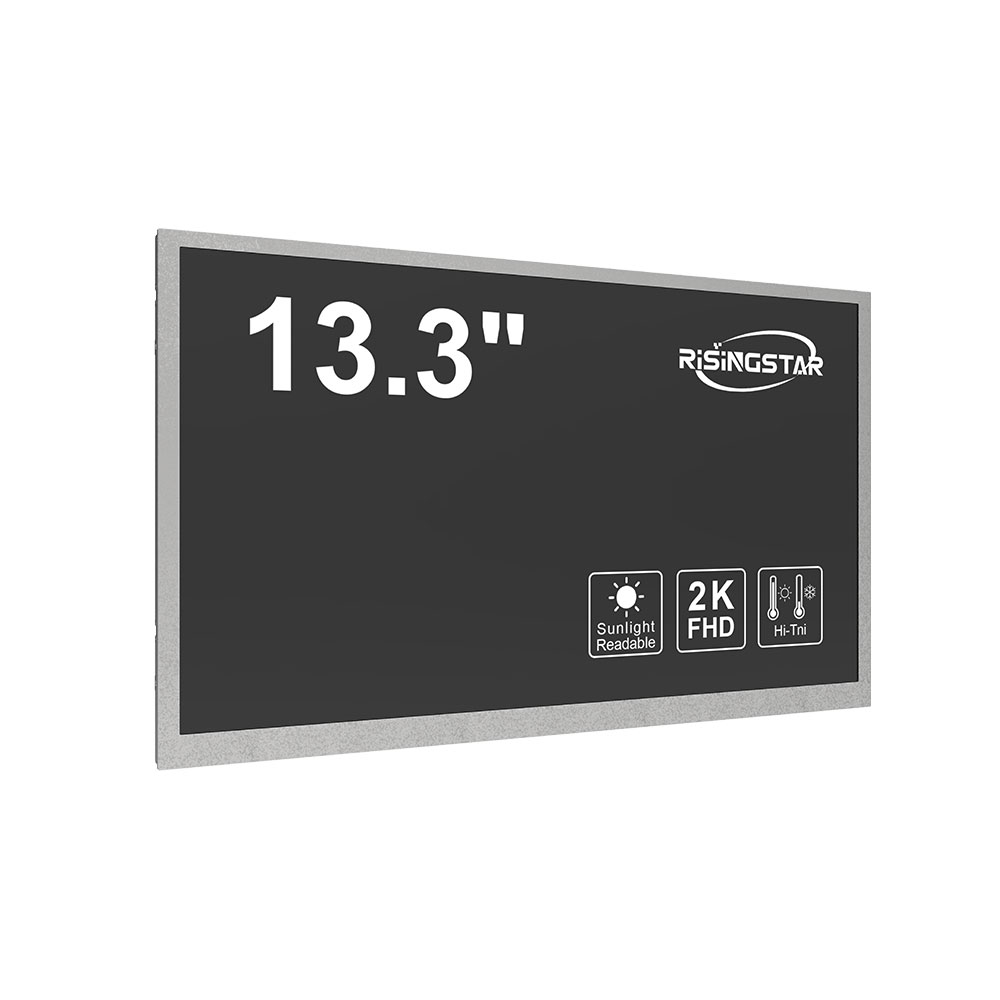
Lastly, long-term availability and support matter. Industrial customers often require 10+ year product lifecycles, making supplier reputation and commitment to obsolescence management essential. Choosing the right LCD isn’t just about performance—it’s about ensuring system uptime, reducing maintenance costs, and maximizing return on investment.