When selecting an LCD display for industrial applications, it's essential to consider environmental resilience, operational longevity, and performance consistency under extreme conditions. Unlike consumer-grade displays, industrial LCDs must endure temperature fluctuations, mechanical vibrations, humidity, and electromagnetic interference—factors that can compromise reliability in harsh environments.
First, evaluate the operating temperature range. High-quality industrial LCDs typically support -20°C to +70°C, with some models rated for even broader ranges like -40°C to +85°C. For example, LG Innotek’s industrial-grade panels often meet MIL-STD-810G standards for thermal shock resistance. Always verify if the display includes a built-in heating element or wide-temperature TFT technology for cold-start capability.
Second, assess brightness and contrast ratios. Industrial settings often involve outdoor sunlight exposure or low-light environments. A minimum brightness of 1000 nits is recommended for direct sunlight visibility, while higher-end models (e.g., 3000 nits) are used in solar-intensive applications such as mining or agriculture. Contrast ratios above 1000:1 ensure readable text and clear image differentiation in dimly lit control rooms.
Third, examine the panel type—TN, IPS, or VA—and its suitability for the application. IPS panels offer superior viewing angles and color accuracy, making them ideal for human-machine interfaces (HMIs), whereas TN panels may suffice for basic status indicators due to faster response times. VA panels provide excellent contrast but suffer from slower gray-to-gray transitions; they’re best for static content.
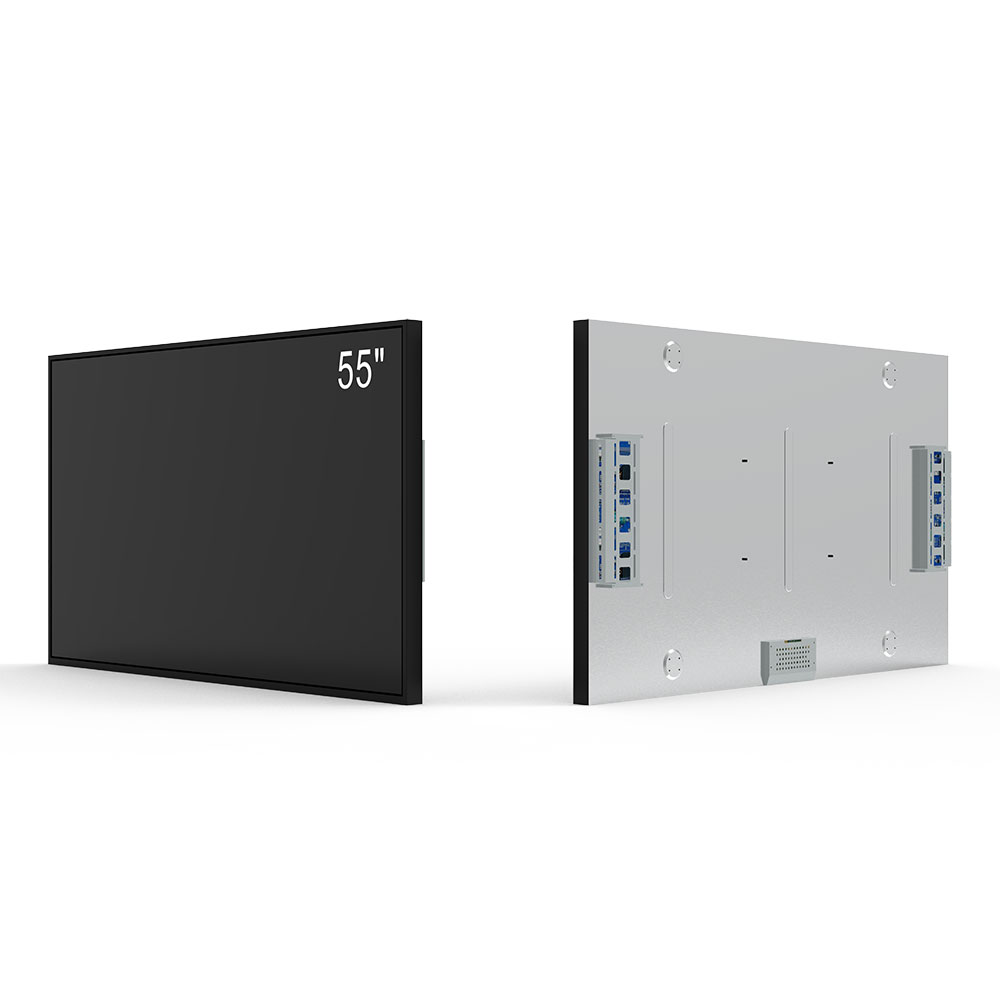
Fourth, check IP ratings for dust and water resistance. An IP65 rating means the display is protected against dust ingress and low-pressure water jets—a critical requirement for factory floors or food processing units. Some manufacturers, like Sharp and BOE, now offer IP67-rated displays for immersion protection in wet environments.

Finally, consider long-term supply stability and vendor support. Industrial customers need consistent part availability over 10+ years. Choosing suppliers with ISO 9001 certification and established track records in industrial sectors ensures quality control and technical assistance.
By focusing on these criteria—not just raw specs but real-world durability—engineers and procurement teams can significantly reduce downtime, enhance user experience, and extend system lifecycle. The right industrial LCD isn’t just about visibility—it’s about dependable performance when it matters most.