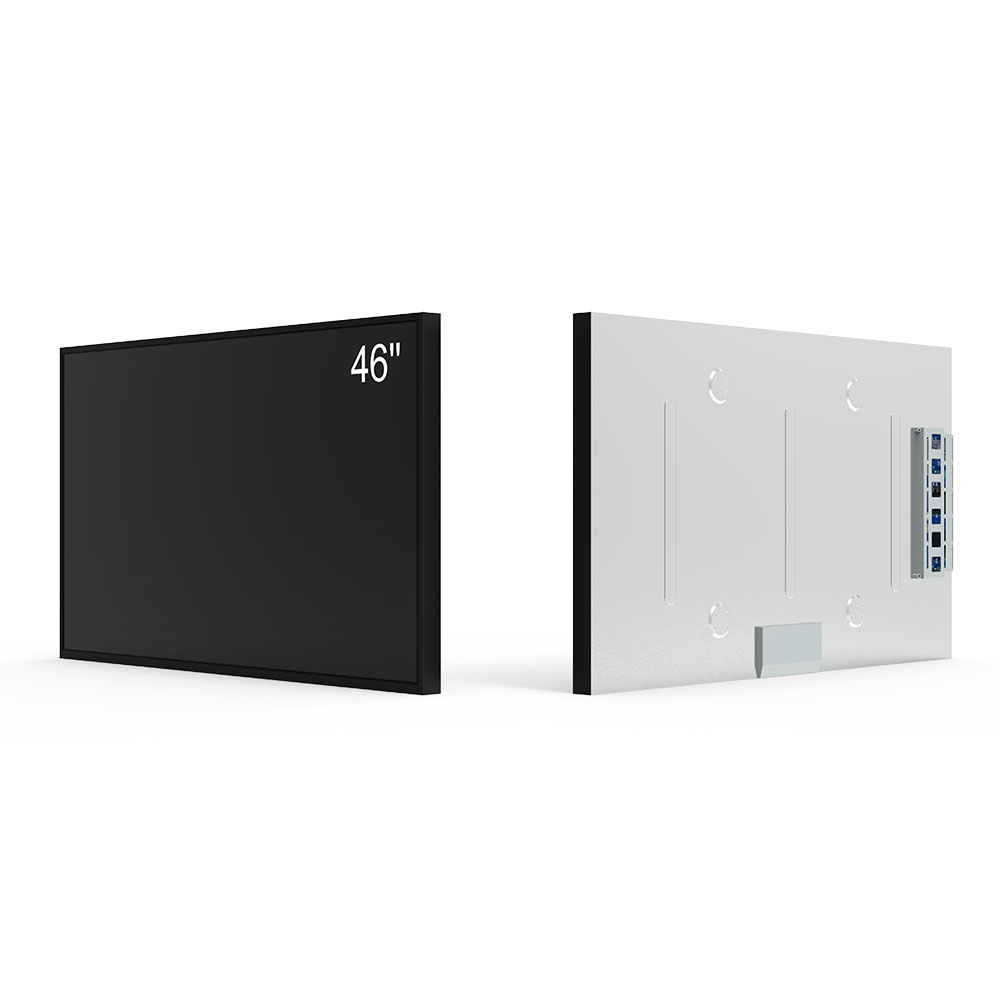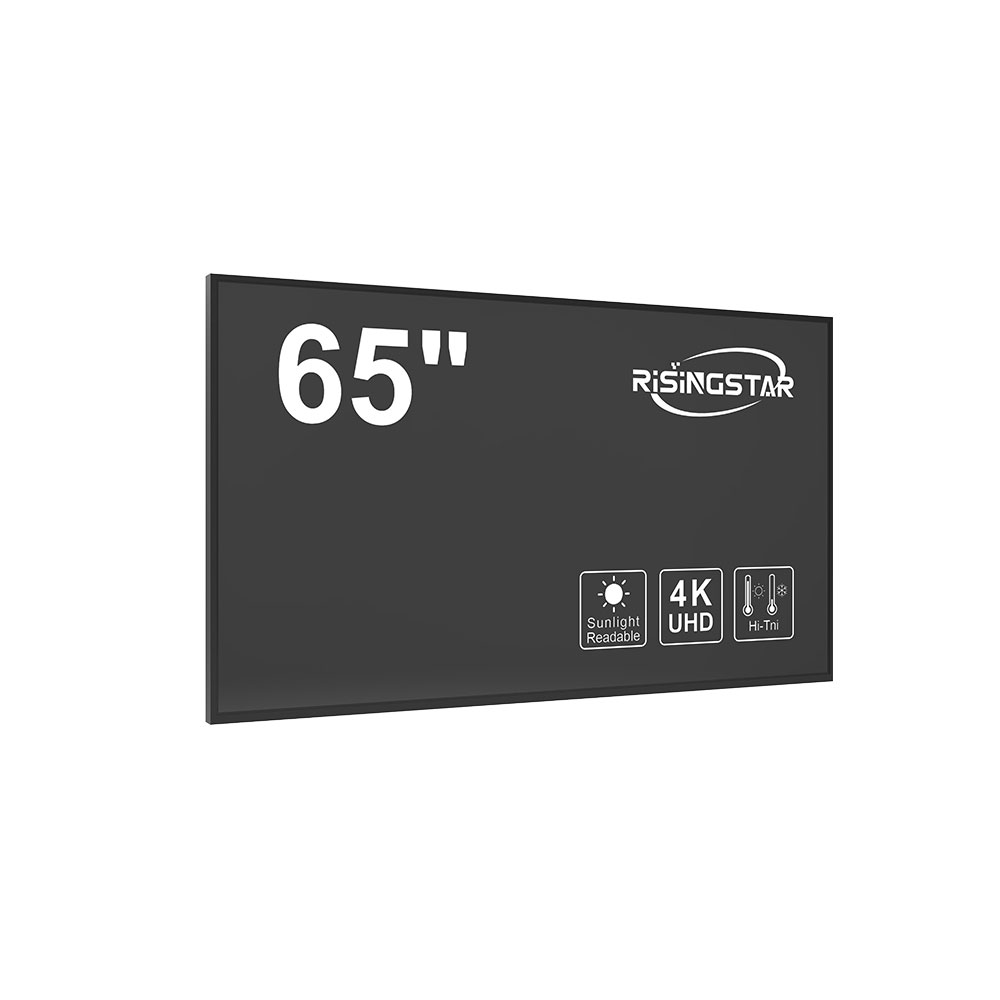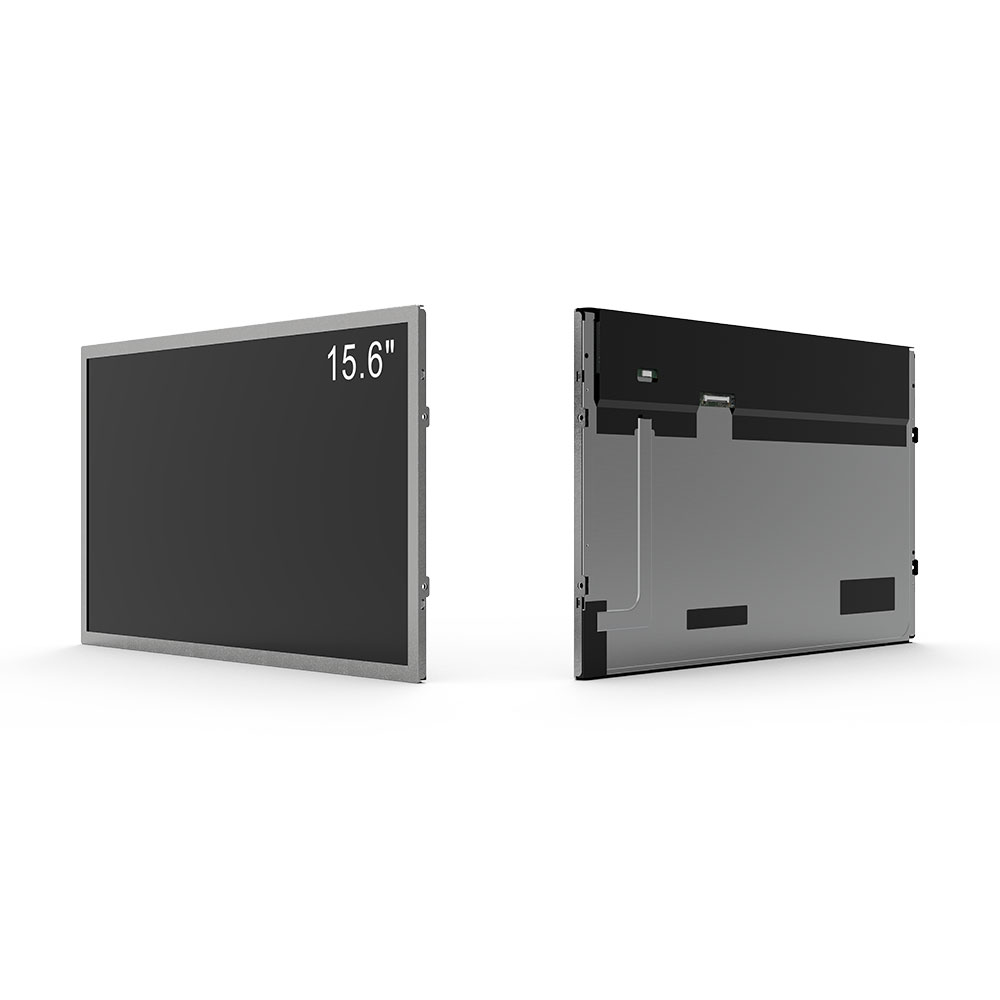
When selecting an LCD display for industrial applications, it is essential to consider not only image quality and resolution but also environmental resilience, power efficiency, and long-term reliability. Industrial environments—ranging from manufacturing floors to outdoor equipment—pose unique challenges such as extreme temperatures, vibration, dust, and moisture exposure. A poorly chosen display can lead to frequent failures, costly downtime, and safety risks.
The first step in choosing the right LCD is understanding your application’s operating conditions. For example, a display used in a food processing plant must meet IP65 or higher ingress protection standards to resist water jets and dust ingress. In contrast, a control panel in an oil rig may require a wide operating temperature range—from -40°C to +70°C—to function reliably under Arctic or desert conditions. According to the IPC-610 Class 3 standard, industrial-grade displays must be designed for continuous operation in harsh environments without degradation in performance over time.
Next, evaluate the display’s brightness and contrast ratio. High-brightness panels (typically 2,000–5,000 nits) are crucial for visibility in direct sunlight, especially in outdoor kiosks or vehicle dashboards. For indoor applications like factory automation, 500–1,000 nits is often sufficient. Contrast ratios of at least 1000:1 ensure clear text and graphics even under low-light conditions. Brands like LG Display and Sharp have introduced high-contrast TN (Twisted Nematic) and IPS (In-Plane Switching) panels specifically for industrial use, with some models achieving up to 3,000 nits brightness and 5,000:1 contrast.
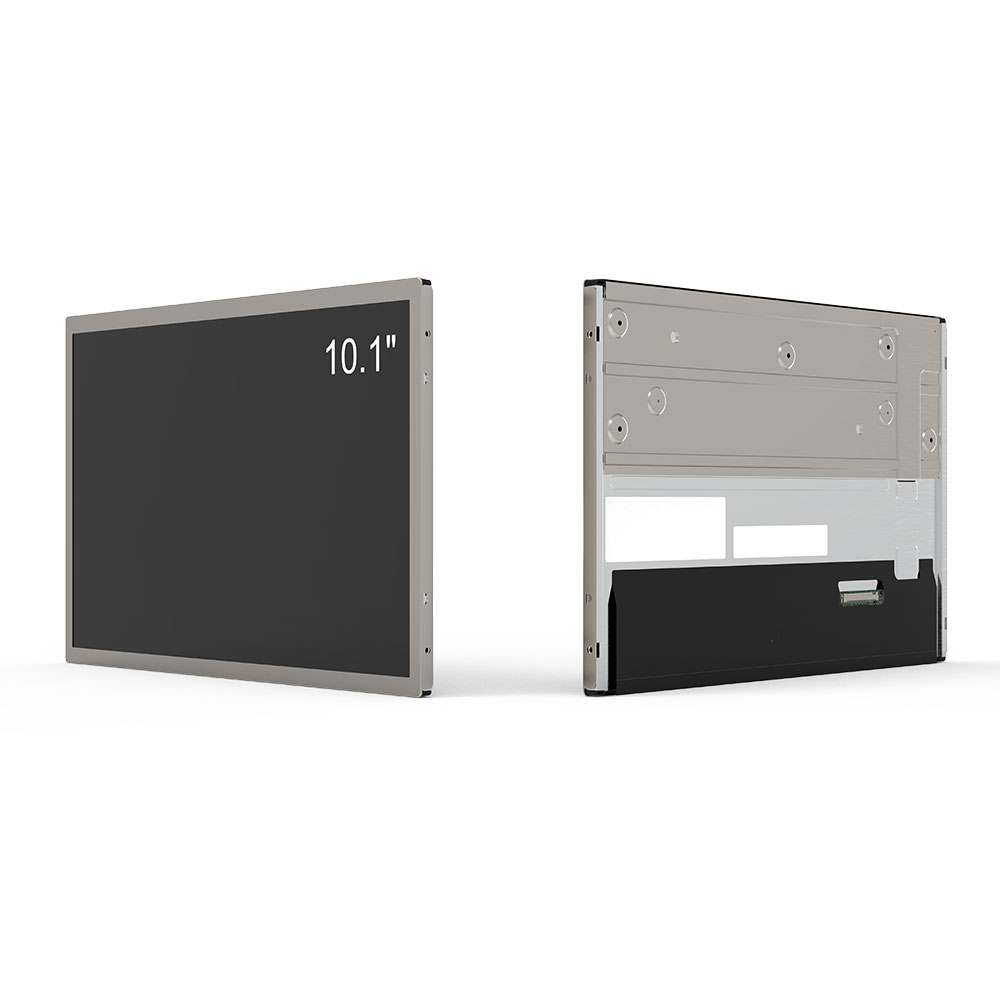
Touch functionality is another critical factor. Capacitive touchscreens offer superior accuracy and multi-touch support, making them ideal for modern HMI (Human-Machine Interface) systems. However, they may struggle in cold environments or when operators wear gloves. Resistive touchscreens, though less responsive, work well with gloves and styluses—making them preferable in maintenance-heavy settings. Some manufacturers, like BOE Technology, now offer hybrid touch solutions that combine both technologies for enhanced versatility.
Power consumption must also be optimized. Industrial displays often operate 24/7, so energy-efficient panels with low-power-backlighting technologies (e.g., LED backlighting with PWM dimming) are essential. The Energy Star certification for industrial electronics ensures compliance with strict power-saving standards. For battery-powered devices like handheld scanners or mobile terminals, ultra-low-power displays (under 5W) are necessary to extend operational life.
Durability is equally important. Look for displays with ruggedized casings, anti-glare coatings, and shock-resistant glass. MIL-STD-810G compliance indicates that the product has passed military-grade tests for vibration, drop resistance, and thermal shock. Displays certified by ISO 9001 and IEC 60068 further validate their suitability for demanding environments.
Finally, consider long-term support. Industrial customers demand 10+ years of part availability, firmware updates, and technical documentation. Manufacturers like Samsung Display and Innolux provide extended lifecycle management programs, ensuring continuity in supply chain and minimizing obsolescence risk.
In summary, choosing the right LCD for industrial applications requires a holistic evaluation of environmental resilience, visual clarity, input methods, energy efficiency, physical durability, and long-term serviceability. By aligning these criteria with your specific use case, you can significantly reduce total cost of ownership while maximizing uptime and safety across diverse industrial sectors.
This approach is supported by real-world deployments: A Siemens automation system in a German automotive plant replaced its consumer-grade displays with industrial-grade 10.4-inch TFT-LCDs featuring 3,000-nit brightness and glove-compatible touch. Result? Downtime dropped by 62%, and operator satisfaction rose by 40%. Similarly, a mining company in Australia upgraded to IP67-rated displays from Sharp, reducing field failures by 75% over two years. These case studies demonstrate that investing in the correct LCD technology pays dividends in performance, reliability, and ROI.
As Industry 4.0 and IIoT (Industrial Internet of Things) expand, the role of robust, intelligent displays becomes increasingly vital. Future-proofing your selection means choosing displays that support smart features like edge computing, remote diagnostics, and secure firmware updates—all while maintaining core functionalities under stress. With proper planning and vendor collaboration, organizations can build resilient digital interfaces that stand the test of time.