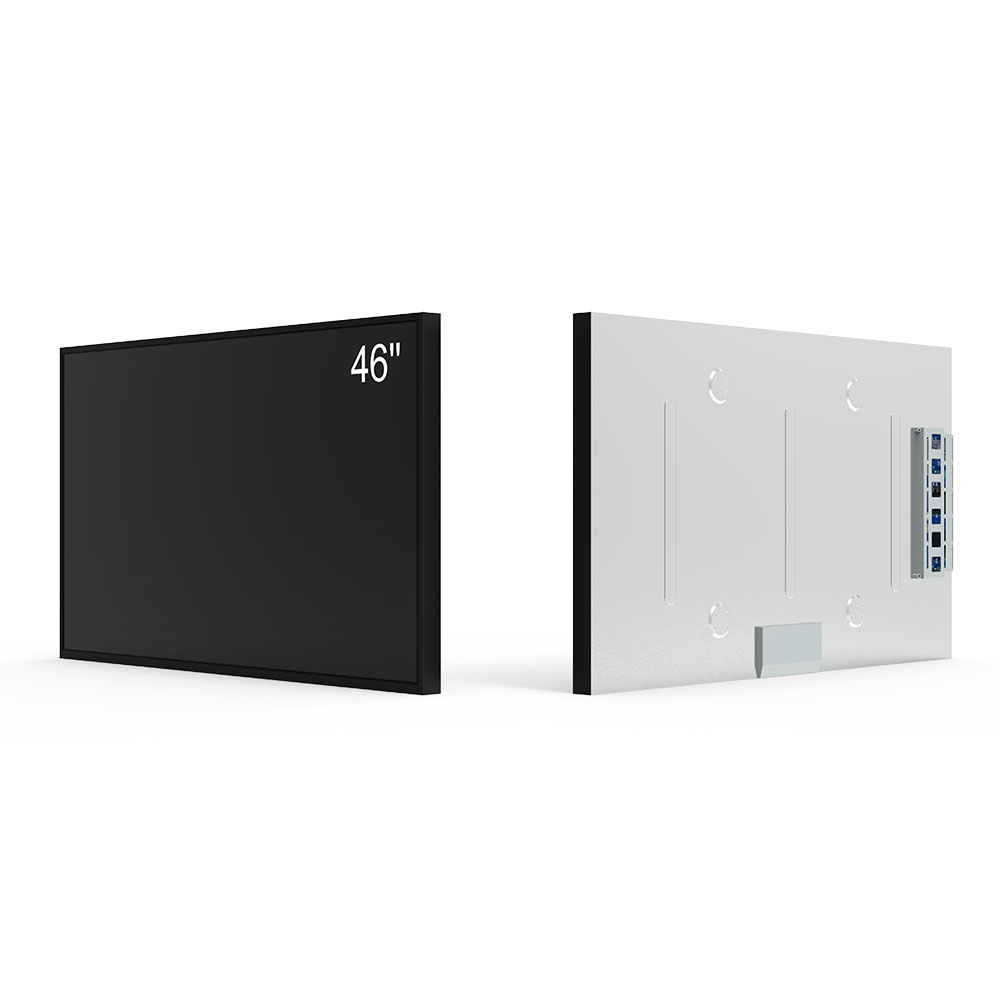
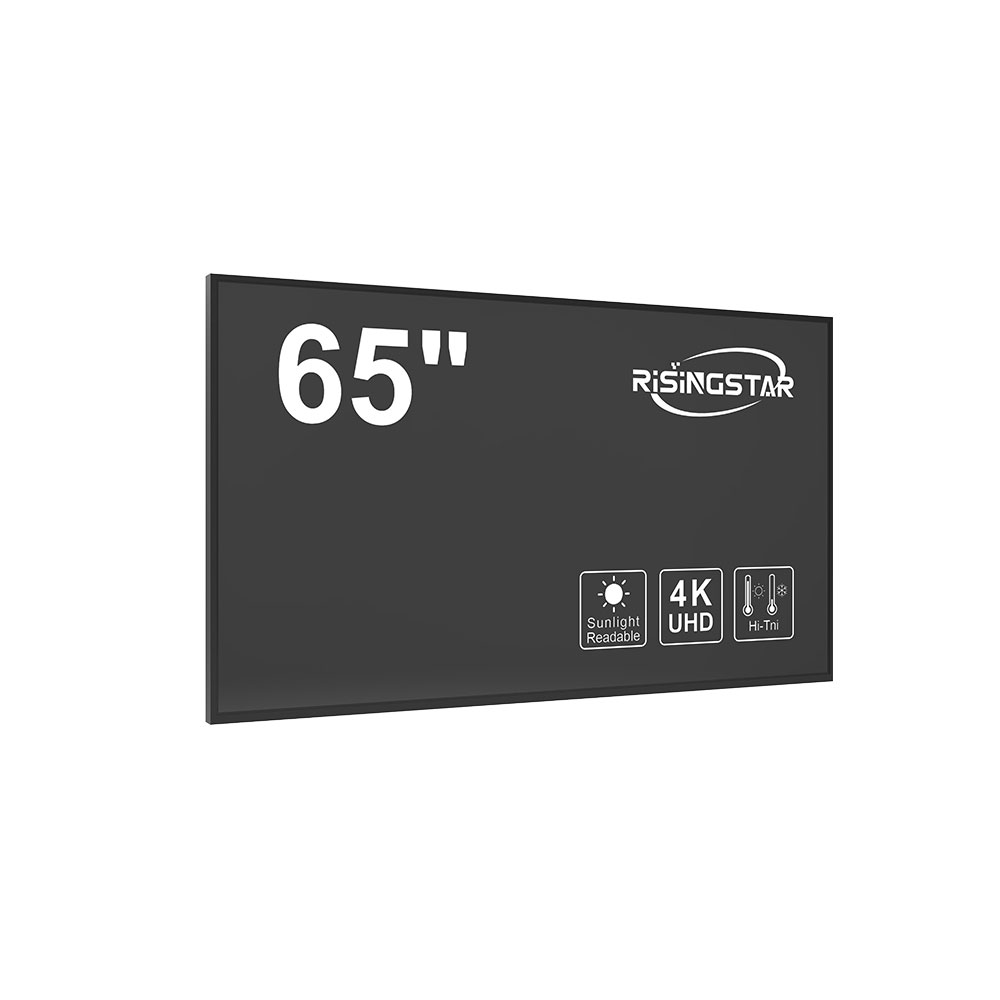
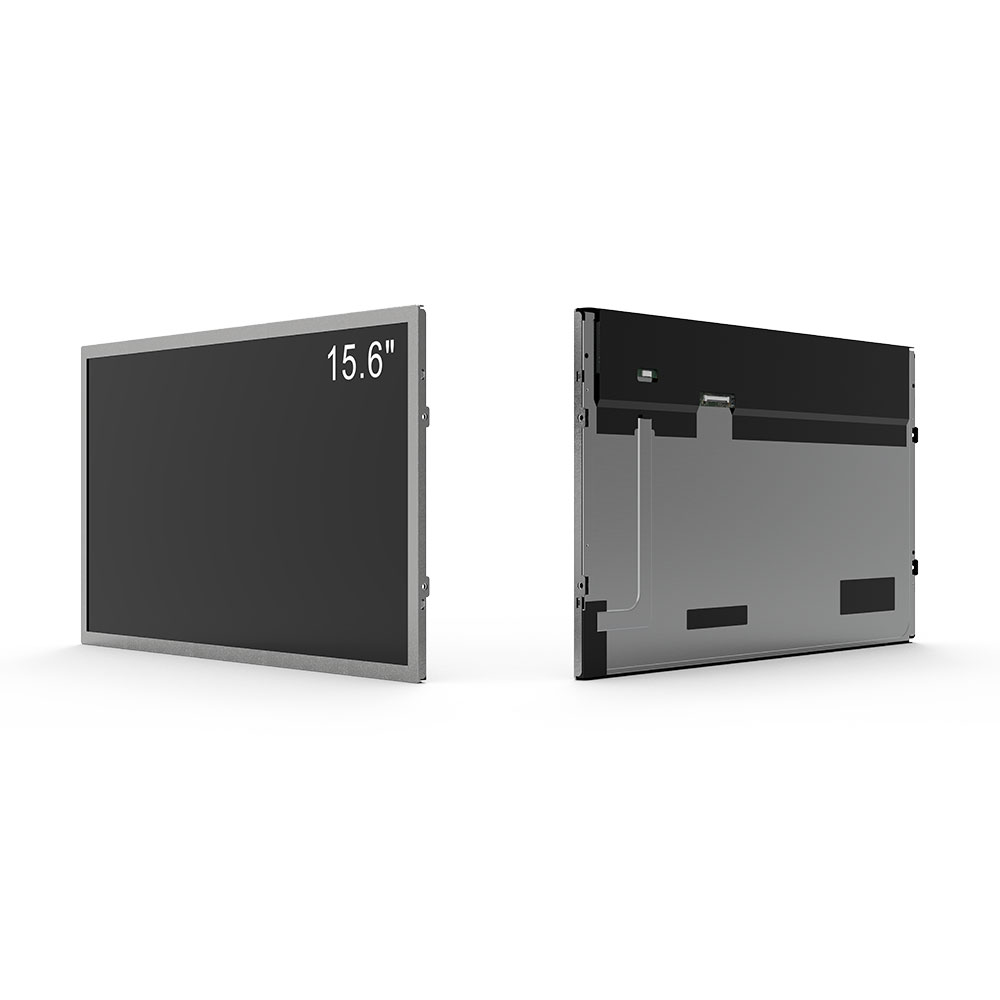
When selecting an LCD panel for your application—whether it's for consumer electronics, industrial equipment, or medical devices—it's essential to understand the core technical specifications and use-case requirements. The right choice can significantly impact performance, longevity, and cost-efficiency.
First, determine the display size and resolution. Common sizes range from 3.5 inches (used in wearables) to 32 inches (for monitors), with resolutions from HD (1280x720) up to 4K UHD (3840x2160). Higher resolution improves image clarity but may increase power consumption and require more robust processing hardware. For example, a 15.6-inch Full HD IPS panel is ideal for laptops, offering wide viewing angles and color accuracy, while a 7-inch WVGA TN panel may suffice for basic dashboard displays in automotive systems.
Next, evaluate the panel technology. There are three main types: Twisted Nematic (TN), In-Plane Switching (IPS), and Vertical Alignment (VA). TN panels offer fast response times (1–5ms) and low cost but suffer from narrow viewing angles and less accurate color reproduction. IPS panels provide superior color consistency and wider viewing angles (up to 178°), making them suitable for professional design work. VA panels strike a balance between contrast ratio and response time, often used in TVs where deep blacks are critical. Industry reports from IHS Markit (2023) show that over 60% of premium smartphones now use IPS panels due to their visual quality.
Consider environmental factors such as operating temperature, brightness (nits), and durability. Industrial-grade panels must function reliably in extreme temperatures (-20°C to +70°C), whereas consumer panels typically operate within 0°C to 50°C. Brightness levels should match intended environments: 300 nits for indoor use, 500+ nits for outdoor visibility. MIL-STD-810G testing for shock and vibration resistance is common in military and aerospace applications.
Power efficiency matters especially for battery-powered devices. OLEDs are more energy-efficient for dark scenes, but LCDs remain dominant for high-brightness applications due to their stability and lower manufacturing costs. Recent studies from Display Week 2024 indicate that mini-LED-backlit LCDs now achieve peak brightness of 2000 nits while maintaining excellent power efficiency compared to traditional CCFL backlights.
Finally, assess vendor support, warranty, and supply chain reliability. Top manufacturers like LG Display, BOE Technology, and Sharp offer long-term production support and comprehensive technical documentation. Customer reviews on platforms like Digi-Key and Mouser highlight the importance of consistent quality and timely delivery in high-volume production runs.
By carefully analyzing these parameters, businesses and engineers can select an LCD panel that aligns precisely with their functional, economic, and environmental goals.