
Understanding the Impact of LCD Manufacturing Defects on Display Quality and Reliability
In the rapidly evolving world of consumer electronics, liquid crystal displays (LCDs) remain a cornerstone technology for devices ranging from smartphones to large-screen televisions. However, despite their widespread use, LCDs are susceptible to manufacturing defects that can significantly compromise both image quality and long-term reliability. Understanding these issues is essential for manufacturers, engineers, and consumers alike.
The introduction of any new display panel begins with raw material selection—glass substrates, liquid crystals, polarizers, and thin-film transistors (TFTs)—all of which must meet stringent purity and uniformity standards. Even minor impurities or inconsistencies in these materials can lead to visible defects such as bright spots, dark spots, or color inaccuracies. According to a 2023 study by the International Society for Optical Engineering (SPIE), over 65% of early-stage LCD failures originate from material contamination during the substrate fabrication process.
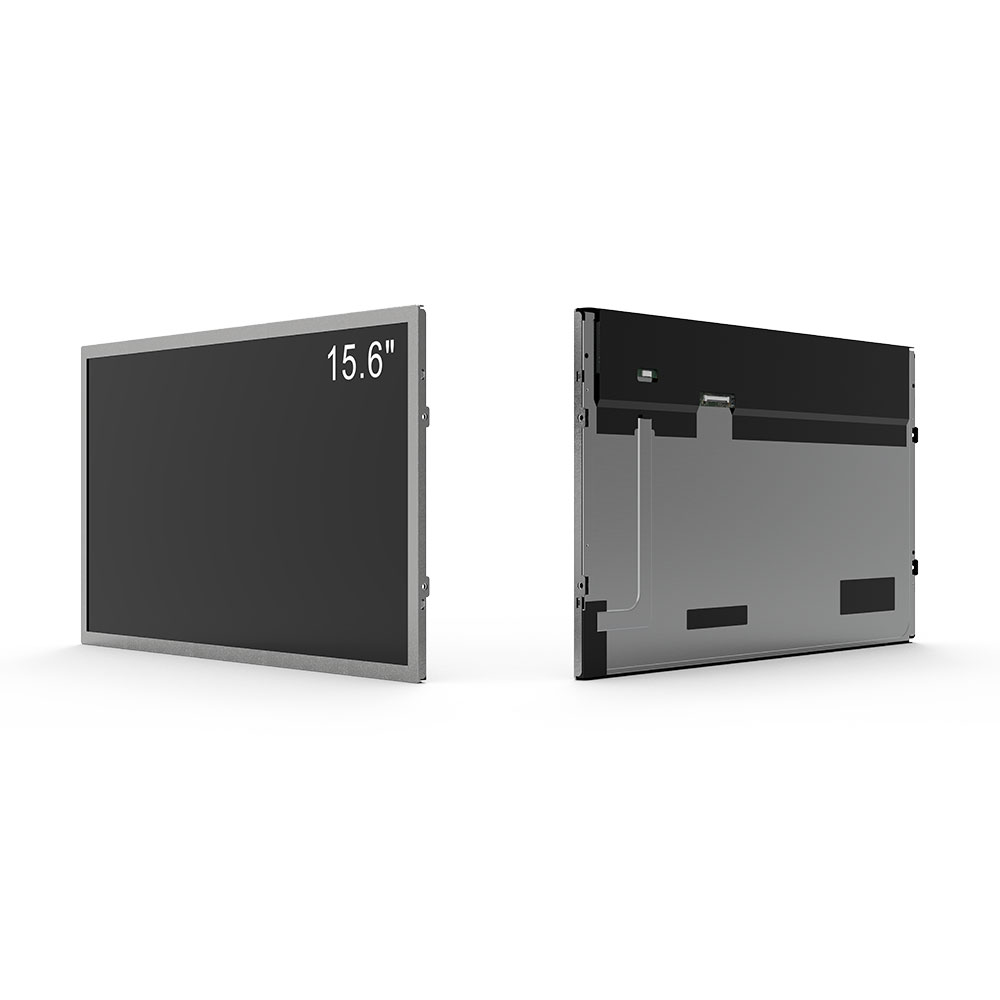
The main body of LCD production involves multiple critical steps: photolithography, etching, deposition, and cell assembly. During photolithography, if the exposure time or alignment is off, it results in misaligned TFT arrays, causing pixel malfunction. For instance, the Samsung Galaxy S21 series faced customer complaints in 2022 due to localized screen dead pixels caused by faulty photolithographic alignment in one of its supplier’s facilities—a case highlighted by Consumer Reports as a major example of how manufacturing tolerances directly impact user experience.
Another common defect is backlight leakage, often stemming from poor sealing between the lamp and the frame or uneven pressure distribution during panel bonding. This issue not only reduces contrast but also increases power consumption. Industry data from Display Supply Chain Consultants (DSCC) shows that backlight-related defects account for approximately 18% of all field returns in mid-range LCD panels used in monitors and laptops.
Environmental stress testing further reveals hidden flaws. For example, thermal cycling tests simulate real-world temperature variations; panels failing under these conditions typically exhibit delamination or color shift—indicating weak adhesion between layers or unstable liquid crystal molecules. These defects may not appear during initial inspection but surface after months of use, leading to warranty claims and brand damage.
To mitigate these risks, leading manufacturers like LG Display and BOE have adopted automated optical inspection (AOI) systems integrated into production lines. These systems use high-resolution cameras and AI algorithms to detect sub-millimeter defects in real-time, reducing defect rates by up to 40% compared to manual inspections alone, per a 2024 report from IHS Markit.
In conclusion, while LCD technology continues to advance, the precision of each manufacturing step remains critical to ensuring consistent performance and durability. By investing in better materials, tighter process controls, and smart automation, the industry can minimize defects and enhance consumer trust. As demand for high-quality displays grows across automotive, medical, and AR/VR applications, addressing these root causes becomes not just a technical necessity—but a competitive advantage.
上一篇:Understanding LCD Display Technology and Its Applications in Modern Devices
下一篇:How RisingStar Screens Are Revolutionizing Industrial Display Solutions