
Understanding LCD Display Technology and Its Applications in Modern Devices
LCD (Liquid Crystal Display) technology has become a cornerstone of modern visual interfaces, powering everything from smartphones and televisions to industrial control panels and automotive dashboards. As one of the most widely adopted display technologies globally, LCDs offer a compelling balance of cost-effectiveness, energy efficiency, and image quality.
The introduction of LCDs dates back to the 1960s, but it wasn’t until the 1990s that advancements in materials, manufacturing processes, and backlighting systems—such as LED-backlit panels—transformed them into viable alternatives to CRT (Cathode Ray Tube) displays. Today, LCDs dominate consumer electronics due to their thin form factor, low power consumption, and high resolution capabilities. According to market research by Statista (2023), over 75% of global TV shipments utilize LCD panels, underscoring their widespread adoption.
The main body of this discussion focuses on how LCDs function and why they remain relevant despite competition from OLED and micro-LED technologies. At its core, an LCD panel uses liquid crystals sandwiched between two polarized glass substrates. When an electric current is applied, these crystals rotate to either block or allow light from a backlight to pass through, creating images pixel by pixel. Unlike OLEDs, which emit light individually per pixel, LCDs rely on a consistent backlight, making them more suitable for bright environments and long-term use without burn-in issues.
In practical applications, LCDs are used in diverse sectors including healthcare (medical monitors), education (interactive whiteboards), and transportation (aviation and automotive displays). For example, Sharp’s LV140WUM-SX1 LCD panel is rated for 100,000 hours of operation, demonstrating durability in industrial settings. Additionally, recent innovations like IPS (In-Plane Switching) and VA (Vertical Alignment) panels have improved viewing angles and contrast ratios, addressing earlier limitations. Environmental testing data from UL (Underwriters Laboratories) confirms that modern LCDs meet stringent standards for temperature resistance, humidity tolerance, and electromagnetic compatibility.
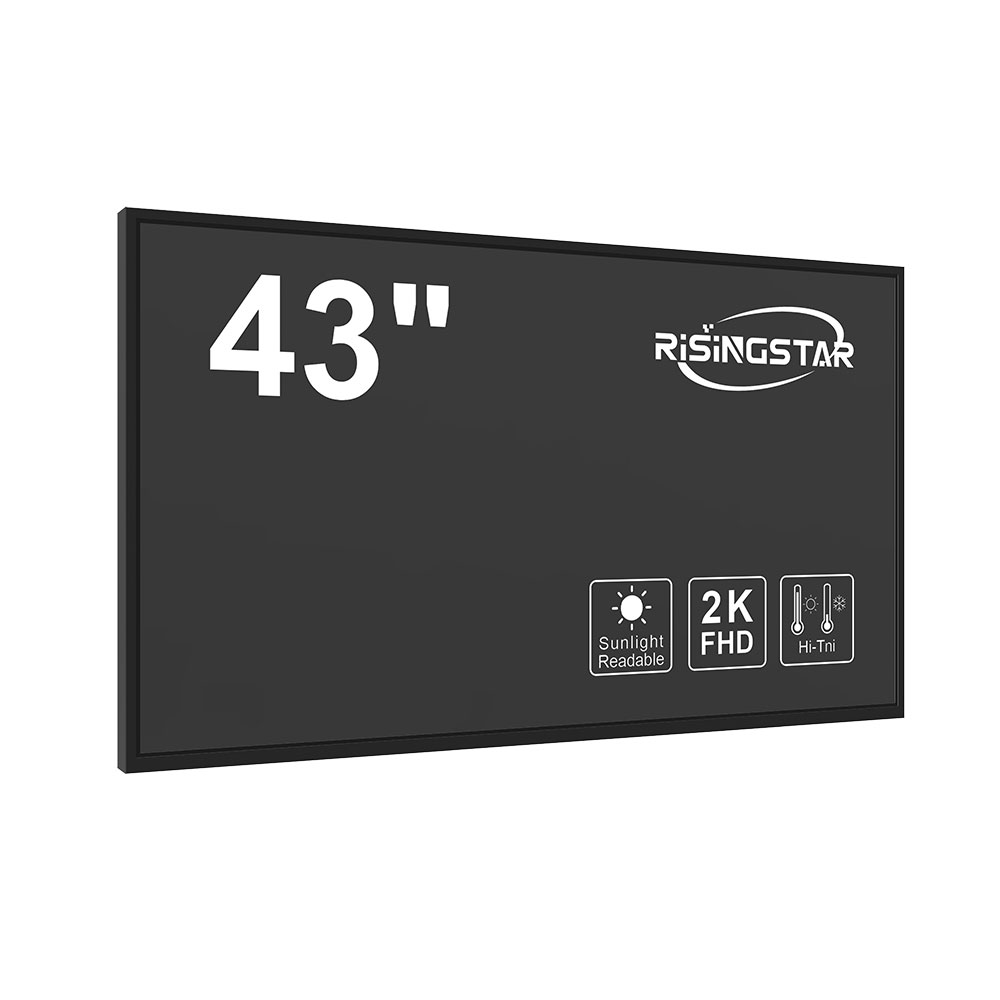
Despite ongoing improvements, challenges such as limited contrast compared to OLED and slower response times persist. However, manufacturers continue to innovate—using quantum dot enhancement and mini-LED backlights—to bridge performance gaps. The future of LCD remains strong, especially in budget-conscious markets and large-screen applications where cost and longevity are critical factors.
In conclusion, LCD technology continues to evolve, maintaining relevance in a rapidly changing tech landscape. Its combination of reliability, scalability, and cost-efficiency ensures that LCDs will remain a dominant force in display solutions across industries well into the next decade.
上一篇:Understanding 4:3 Aspect Ratio LCD Displays for Professional and Educational Use
下一篇:Understanding the Impact of LCD Manufacturing Defects on Display Quality and Reliability