
How to Choose the Right LCD Panel for Your Display Needs
Selecting the appropriate LCD panel for your display application is a critical step in ensuring optimal performance, longevity, and user satisfaction. Whether you're designing consumer electronics, industrial equipment, or medical devices, understanding the core specifications and use cases of different LCD technologies is essential.
First, consider the application environment. For indoor consumer displays such as smartphones, tablets, or monitors, IPS (In-Plane Switching) panels offer excellent color accuracy, wide viewing angles, and consistent brightness—making them ideal for multimedia consumption. According to a 2023 report by Display Supply Chain Consultants (DSCC), IPS panels now dominate over 65% of the smartphone market due to their superior image quality.
For outdoor or high-brightness environments like kiosks or digital signage, TN (Twisted Nematic) panels may be preferred for their fast response times and lower cost, though they typically have narrower viewing angles and less accurate colors. In contrast, VA (Vertical Alignment) panels strike a balance between contrast ratio and viewing angle, often used in televisions where deep blacks are important.
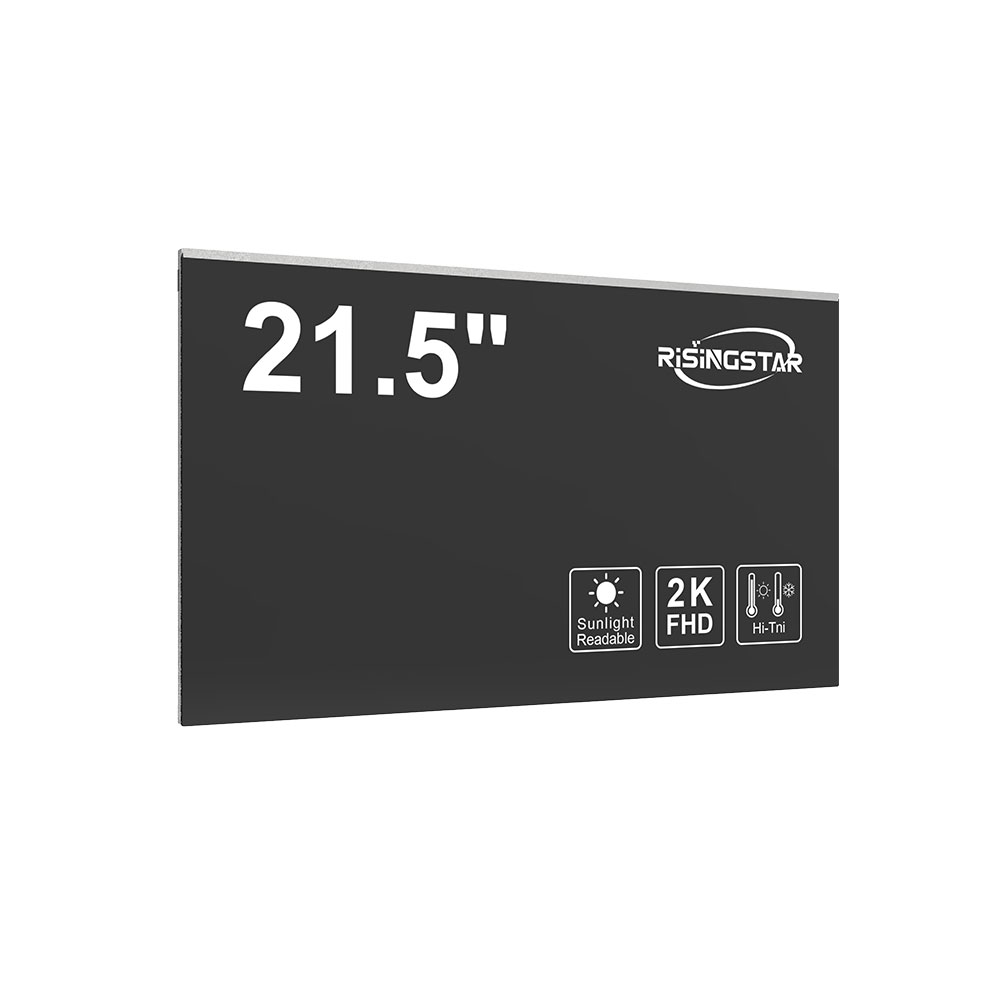
Industrial applications demand ruggedness and reliability. Panels with wide temperature ranges (e.g., -30°C to +70°C), high brightness (>1000 nits), and anti-glare coatings are essential. Manufacturers like LG Display and BOE provide industrial-grade LCDs tested under MIL-STD-810G standards for shock, vibration, and humidity resistance.
Power efficiency matters too—especially for battery-powered devices. OLED panels are gaining ground in mobile devices due to their self-emissive nature and lower power consumption during dark scenes. However, for cost-sensitive projects, LED-backlit LCDs remain the most economical choice.
Finally, always verify certifications such as RoHS compliance, CE marking, and ISO 9001 quality management systems. These ensure that your selected LCD meets global safety and environmental standards. By aligning panel type, environmental resilience, power needs, and regulatory compliance with your specific use case, you can make an informed decision that maximizes value and minimizes long-term operational costs.

上一篇:How to Choose the Right LCD Panel for Your Display Needs
下一篇:High-Brightness LCD Displays for Harsh Environments with 5,000 Nits and IP68 Waterproofing