Robust and Versatile LCD Displays for Public Transportation and Outdoor Digital Signage
In today’s fast-paced, digitally driven world, high-performance LCD displays have become essential components across a wide range of public and commercial applications. From passenger information systems in trains, buses, and subways to EV charging kiosks, gas pumps, and outdoor digital signage, robust and reliable displays are critical to delivering clear, real-time information under diverse environmental conditions.
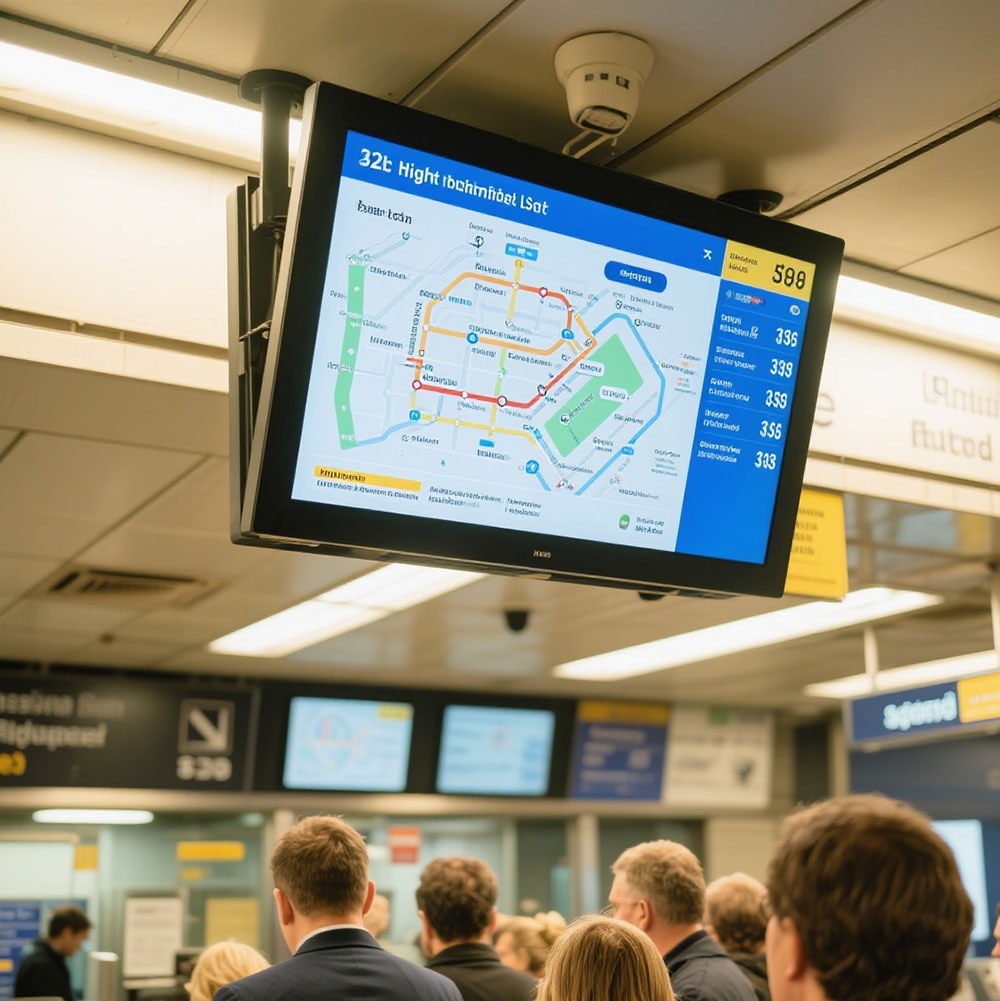
For public transportation networks—such as railways, intercity trains, and metro systems—LCDs must withstand constant vibration, temperature fluctuations, and high humidity. These displays are often embedded in control panels or mounted on platforms and coaches, where they provide live updates on schedules, delays, safety alerts, and service changes. Industry-grade models like the LG IPS 42-inch LCD panel (model L420QH01) and Samsung DMD series are widely used due to their anti-glare coatings, wide viewing angles, and long operational life exceeding 50,000 hours.
EV charging stations benefit from ruggedized LCDs with IP65-rated enclosures, which protect against dust and water ingress—a necessity given their exposure to weather elements. The touchscreen-enabled displays allow users to navigate menus, monitor charging progress, and initiate payments securely. In fact, according to a 2023 report by MarketsandMarkets, the global electric vehicle infrastructure market is projected to reach $128 billion by 2027, making durable display solutions a key growth area.
Outdoor digital signage in retail and real estate sectors also relies heavily on bright, sunlight-readable displays. For example, LED-backlit LCDs with brightness levels up to 5,000 nits ensure visibility even under direct sunlight. These are commonly seen at shopping malls, property showrooms, and bus stops. Brands such as NEC and Planar offer certified solar-bright displays that meet ISO 9241-3 standards for visual ergonomics and readability.
The integration of smart features—including remote content management via cloud platforms like ScreenCloud and Xibo—is now standard. This allows businesses to update signage dynamically, based on time-of-day, foot traffic, or seasonal promotions. Additionally, energy-efficient designs compliant with ENERGY STAR and RoHS regulations make these displays environmentally sustainable choices.
With growing demand for connected, responsive digital experiences, manufacturers like BOE, Innolux, and Sharp are investing heavily in R&D for brighter, more durable, and lower-power LCD technologies. As cities expand their smart infrastructure, the role of reliable LCD displays in public spaces will only increase in importance.