
How to Choose the Right LCD Display for Industrial Equipment Applications
When selecting an LCD display for industrial equipment, overseas manufacturers and distributors must prioritize reliability, environmental resilience, and long-term performance. Unlike consumer-grade displays, industrial LCDs are subjected to harsh conditions such as extreme temperatures, vibration, humidity, and prolonged operational cycles. For example, a typical industrial display used in automation machinery must function reliably across -20°C to 70°C, resist dust ingress (IP65 or higher), and maintain brightness stability over 50,000 hours of operation.
The choice between TN, IPS, and VA panel technologies is critical. IPS panels offer superior color accuracy and wide viewing angles—ideal for control panels in manufacturing or medical devices—but may consume more power than TN. In contrast, TN panels are cost-effective and fast-responding, suitable for high-speed applications like CNC machines or conveyor systems. VA panels strike a balance with high contrast ratios but may suffer from slower response times, making them better suited for static monitoring interfaces.
Environmental testing standards such as IEC 60068 and MIL-STD-810G should guide procurement decisions. These standards verify resistance to shock, thermal cycling, and humidity. For instance, a distributor sourcing displays for oil & gas equipment in offshore platforms must ensure compliance with IP67 ratings and corrosion-resistant casing materials. Additionally, certifications like CE, FCC, and RoHS guarantee global market compliance and reduce regulatory risks.
Power efficiency matters for battery-operated or energy-sensitive systems. Displays with LED backlighting and dynamic brightness adjustment can reduce power consumption by up to 30%, improving device uptime and reducing heat generation. OEMs should also consider modular design options—such as interchangeable bezels or mounting brackets—to streamline integration into existing machine architectures.
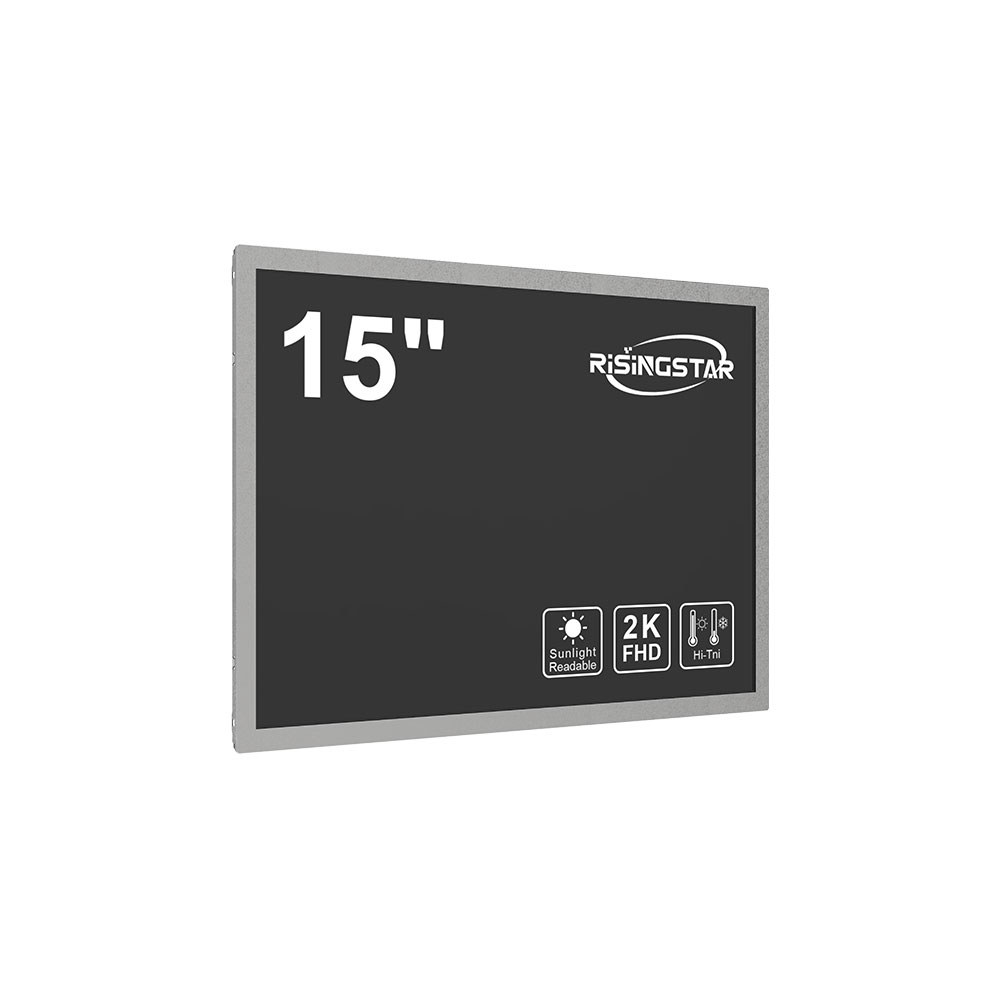
Customer reviews from companies like Siemens, Bosch, and ABB often highlight longevity and minimal maintenance as key factors in choosing industrial-grade LCDs. Real-world case studies show that using displays rated for 100,000 hours mean time between failures (MTBF) reduces total cost of ownership by 40% over a 10-year lifecycle.
Finally, working with suppliers who provide technical support, firmware updates, and spare parts availability ensures long-term scalability. A robust supplier relationship can be the difference between a successful deployment and costly downtime in remote industrial environments.
上一篇:RisingStar LCD Display Technology for Industrial Applications
下一篇:Understanding 4:3 Aspect Ratio LCD Displays for Professional and Industrial Use