
Understanding 4:3 Aspect Ratio LCD Displays for Professional and Industrial Use
In the world of display technology, the 4:3 aspect ratio remains a vital standard—especially in professional, industrial, and legacy computing environments. Unlike modern widescreen formats such as 16:9 or 21:9, the 4:3 ratio offers balanced vertical and horizontal space, making it ideal for applications like medical imaging, point-of-sale (POS) systems, industrial control panels, and CAD/CAM software.
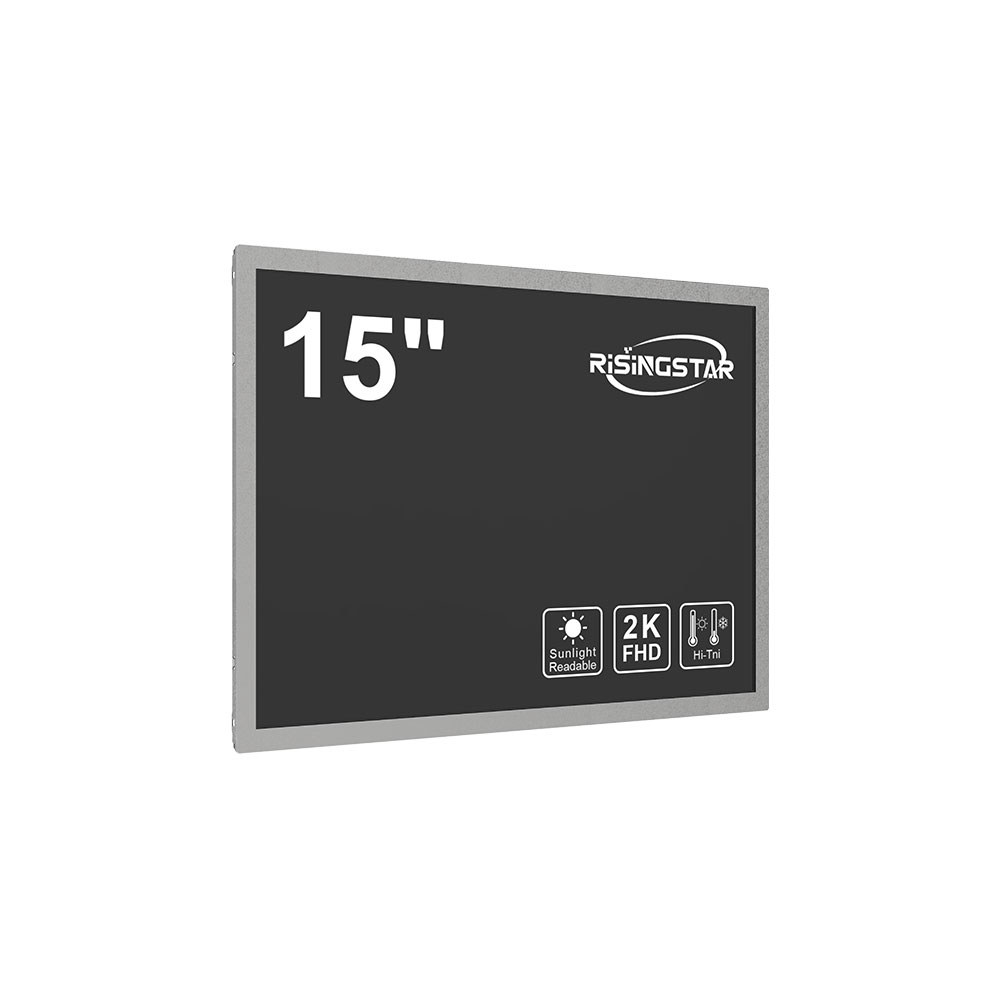
Common screen sizes for 4:3 displays include 15-inch, 17-inch, and 19-inch models, each tailored to specific use cases. A 15-inch 4:3 LCD is compact yet delivers sufficient resolution (typically 1024×768) for basic office tasks and embedded systems. The 17-inch model strikes a balance between portability and usability—often preferred in kiosks and retail terminals where clarity and comfort are essential. Meanwhile, the 19-inch version, with its higher pixel density and larger viewing area, is commonly found in older workstation setups and specialized industrial equipment where full-screen text and graphics matter.
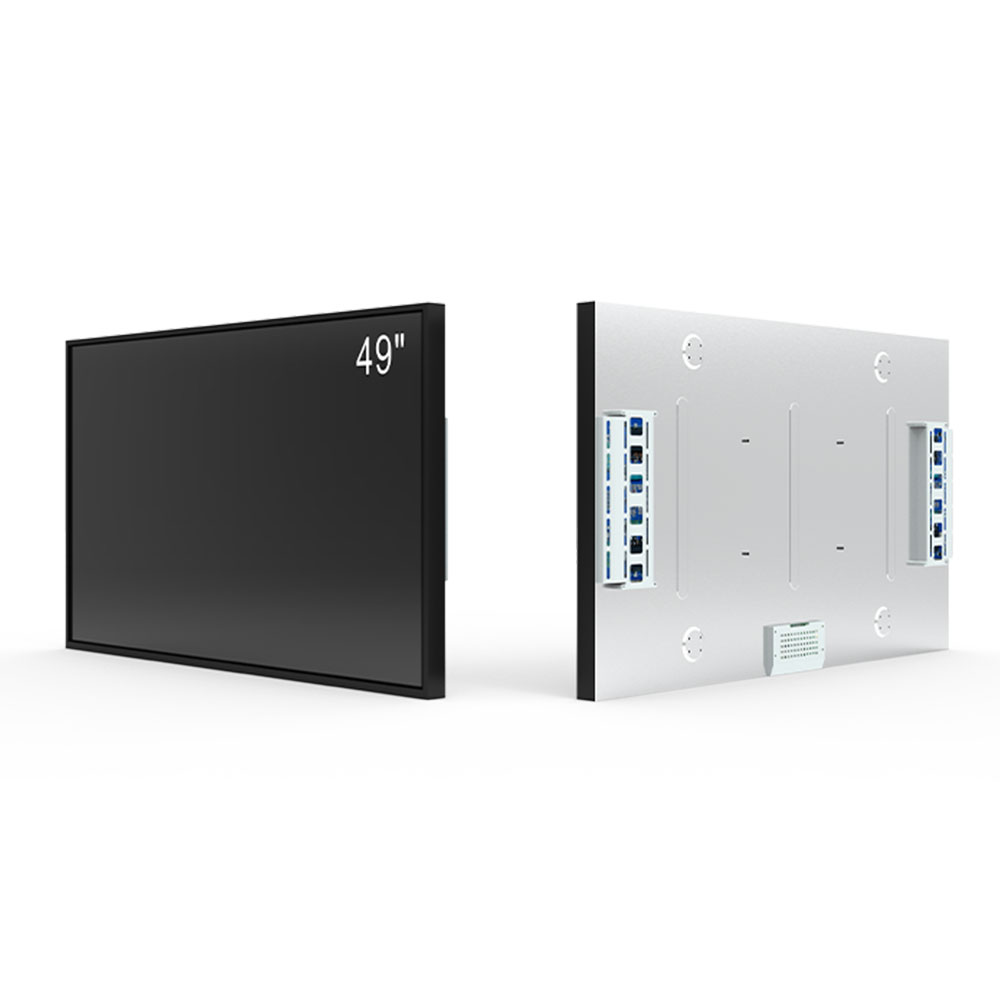
Manufacturers such as Dell, LG, and NEC have historically produced reliable 4:3 monitors using TN (Twisted Nematic) and IPS (In-Plane Switching) panels. While TN panels offer fast response times and lower cost, IPS provides superior color accuracy and wider viewing angles—critical for medical diagnostics or design work. Recent advancements in LED backlighting and low-power consumption technologies have also improved the energy efficiency and longevity of these displays, aligning with environmental standards like ENERGY STAR and RoHS compliance.
For businesses upgrading legacy systems, maintaining compatibility with existing software (e.g., Windows XP-era applications) often requires 4:3 displays due to fixed UI layouts. According to a 2023 report by DisplaySearch, over 23% of industrial monitor shipments still favor 4:3 ratios, particularly in manufacturing automation and process control sectors. These displays not only ensure operational continuity but also reduce training costs when replacing older hardware.
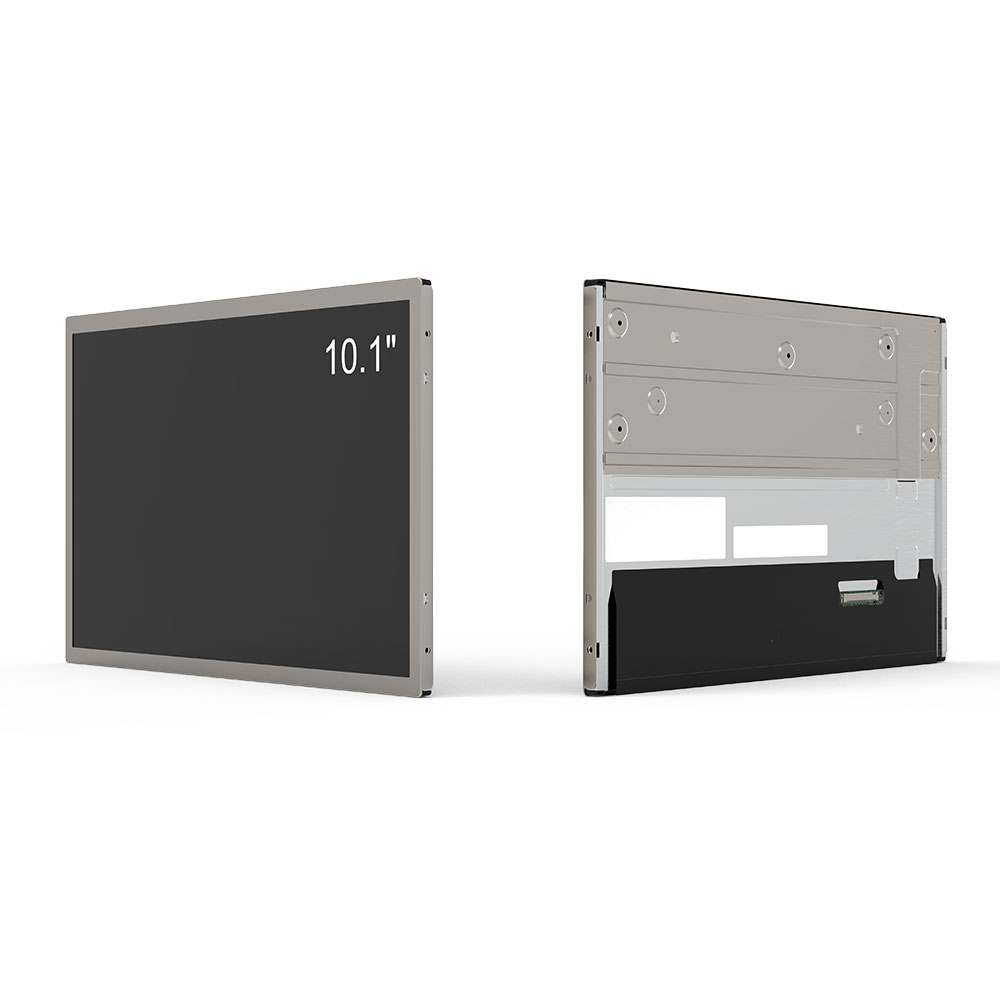
When selecting a 4:3 LCD, consider input connectivity (VGA, DVI, or HDMI), brightness (measured in nits), contrast ratio, and environmental resilience—especially if deployed in dusty or high-temperature conditions. For example, the LG 19MP40P-B (19", 4:3) has received industry recognition for its durability in continuous operation, earning a 5-year warranty from manufacturers who prioritize reliability over novelty.
In summary, while widescreen monitors dominate consumer markets, the 4:3 aspect ratio continues to serve niche but critical roles across industries where precision, compatibility, and ergonomic design take precedence over cinematic visuals.
上一篇:How to Choose the Right LCD Display for Industrial Equipment Applications
下一篇:High-Performance LCD Displays for Multifunctional Outdoor and Indoor Applications