
Understanding LCD Panel Technology and Its Impact on Modern Display Devices
LCD (Liquid Crystal Display) panel technology remains a cornerstone in the global display industry, powering everything from smartphones and laptops to televisions and industrial monitors. Unlike OLED or LED displays that emit light directly, LCD panels rely on a backlight system—typically LED-based—to illuminate liquid crystal cells that modulate light based on electrical signals. This fundamental mechanism allows for precise control of brightness, contrast, and color reproduction, making LCDs highly suitable for applications demanding consistent performance under diverse lighting conditions.
Manufacturers like LG Display, Samsung Display, and BOE have invested heavily in refining LCD panel architectures such as IPS (In-Plane Switching), VA (Vertical Alignment), and TN (Twisted Nematic). Among these, IPS offers superior viewing angles and color accuracy, making it ideal for professional design work and high-end consumer electronics. VA panels provide deeper blacks and higher contrast ratios, often preferred in home theater setups, while TN panels remain popular in gaming due to their fast response times—though they compromise on color fidelity and viewing angles.
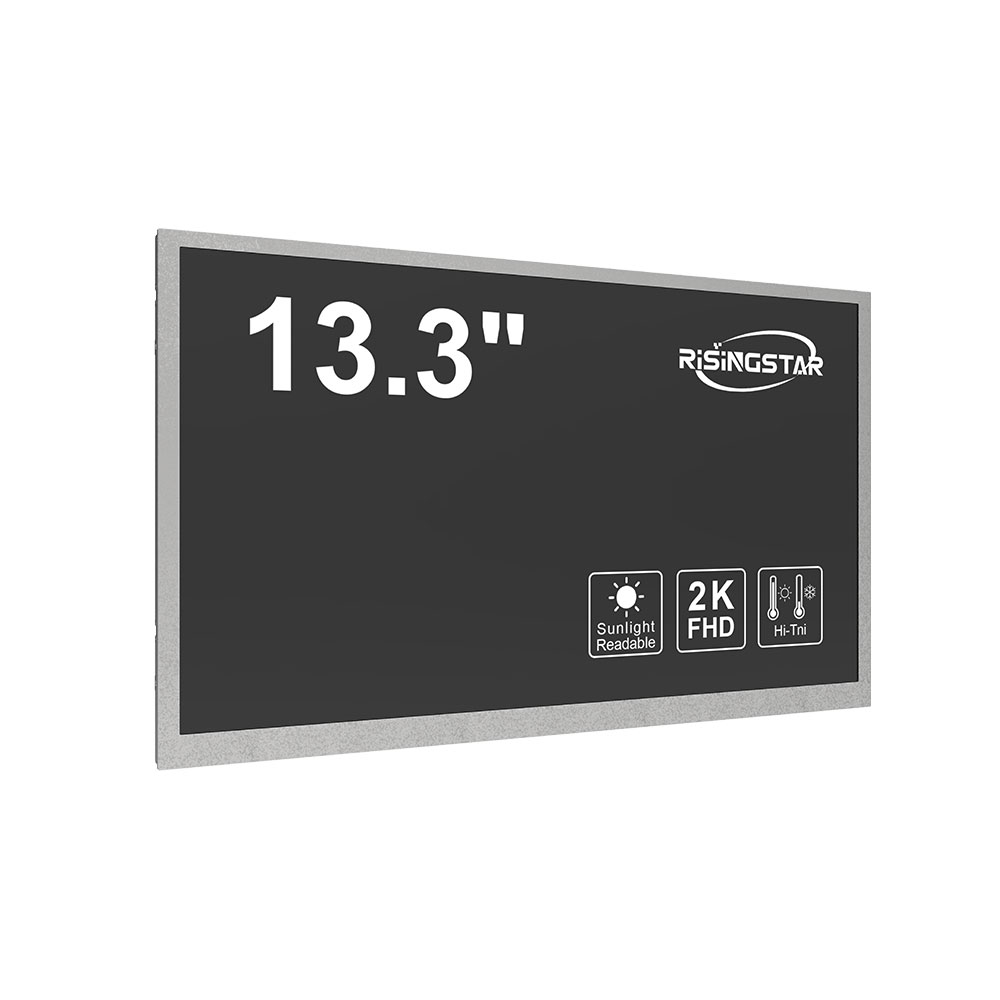
Recent innovations in LCD technology include Mini-LED backlighting, which enhances local dimming precision and improves dynamic range without increasing power consumption significantly. For example, Apple’s 2023 iPad Pro and Dell’s UltraSharp U2723QE utilize Mini-LED LCD panels to achieve HDR performance comparable to OLED, but with better longevity and resistance to burn-in. Additionally, advancements in polarizer materials and pixel density (up to 4K resolution at 27 inches) have made LCDs increasingly competitive with newer display technologies.
Environmental durability is another key advantage. According to the International Electrotechnical Commission (IEC) standard IEC 60068-2-14, LCD panels are tested for humidity resistance, temperature cycling, and mechanical shock—ensuring reliability in harsh environments such as automotive dashboards or outdoor kiosks. Moreover, LCDs are more energy-efficient than older CRT displays, consuming up to 50% less power per square inch compared to legacy models, as confirmed by ENERGY STAR® benchmarks.
From an economic standpoint, LCD panels dominate the market due to mature manufacturing processes and cost-effective mass production. As of 2024, Statista reports that over 70% of global display shipments still use LCD technology, underscoring its relevance across sectors including healthcare, education, retail, and industrial automation. In summary, LCD panels remain a versatile, reliable, and economically viable solution for modern display needs, combining technological maturity with ongoing innovation.
上一篇:How to Optimize LCD Display Performance in Harsh Environments
下一篇:Professional Strip Screen Displays for Industrial and Commercial Applications