How to Choose the Right LCD Display for Industrial Equipment Manufacturing
When selecting an LCD display for industrial equipment manufacturing, overseas manufacturers and distributors must prioritize durability, clarity, and compatibility with harsh operating environments. Unlike consumer-grade displays, industrial LCDs are subjected to extreme temperatures, vibration, humidity, and prolonged usage—making performance reliability non-negotiable.
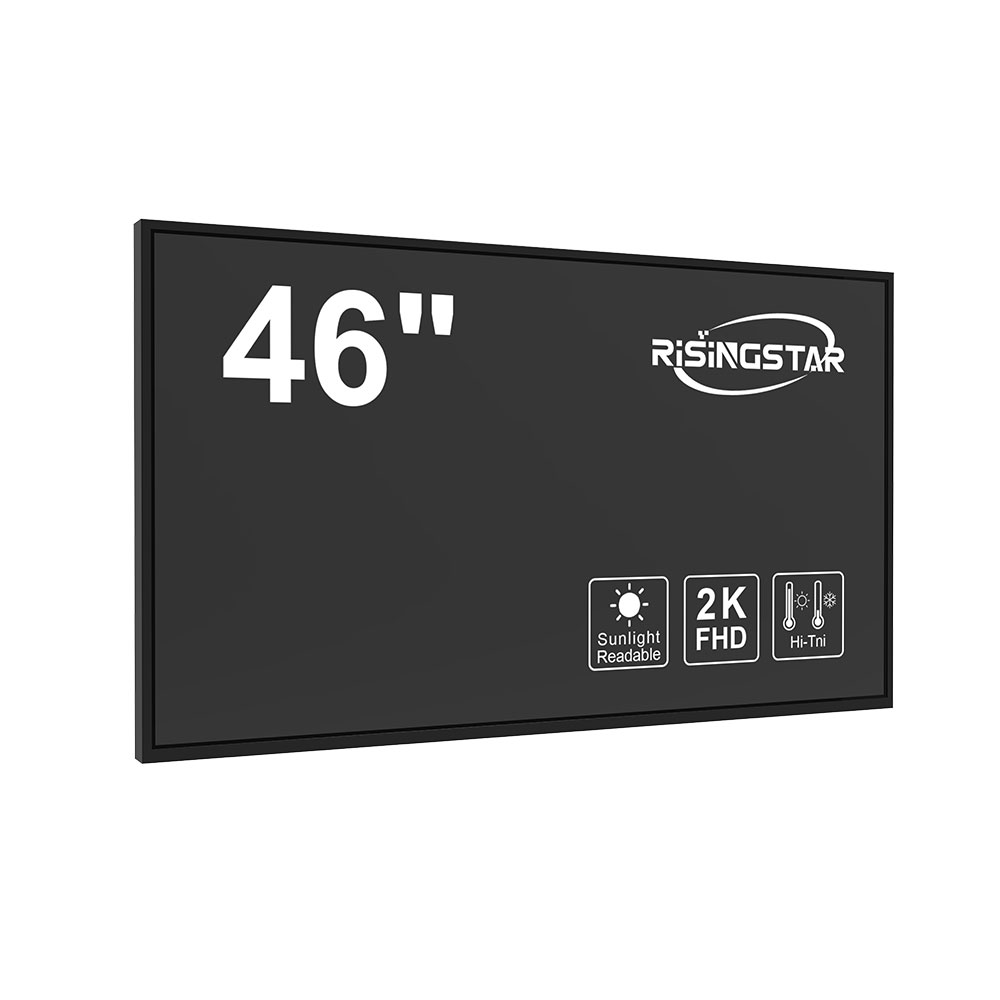
First, consider brightness and contrast ratio. For outdoor or high-ambient-light applications such as construction machinery or agricultural equipment, a display with at least 3000 nits of brightness ensures visibility under direct sunlight. Brands like LG, BOE, and Sharp offer industrial-grade panels with enhanced anti-glare coatings and wide viewing angles (typically 178°), which improve usability across various operator positions.
Second, environmental resilience is critical. Look for IP65 or higher ratings for dust and water resistance, especially if your equipment operates in factories, warehouses, or field environments. Thermal stability should also be evaluated—panels rated for -20°C to +70°C operation (such as those certified to MIL-STD-810G) are ideal for extreme climates.
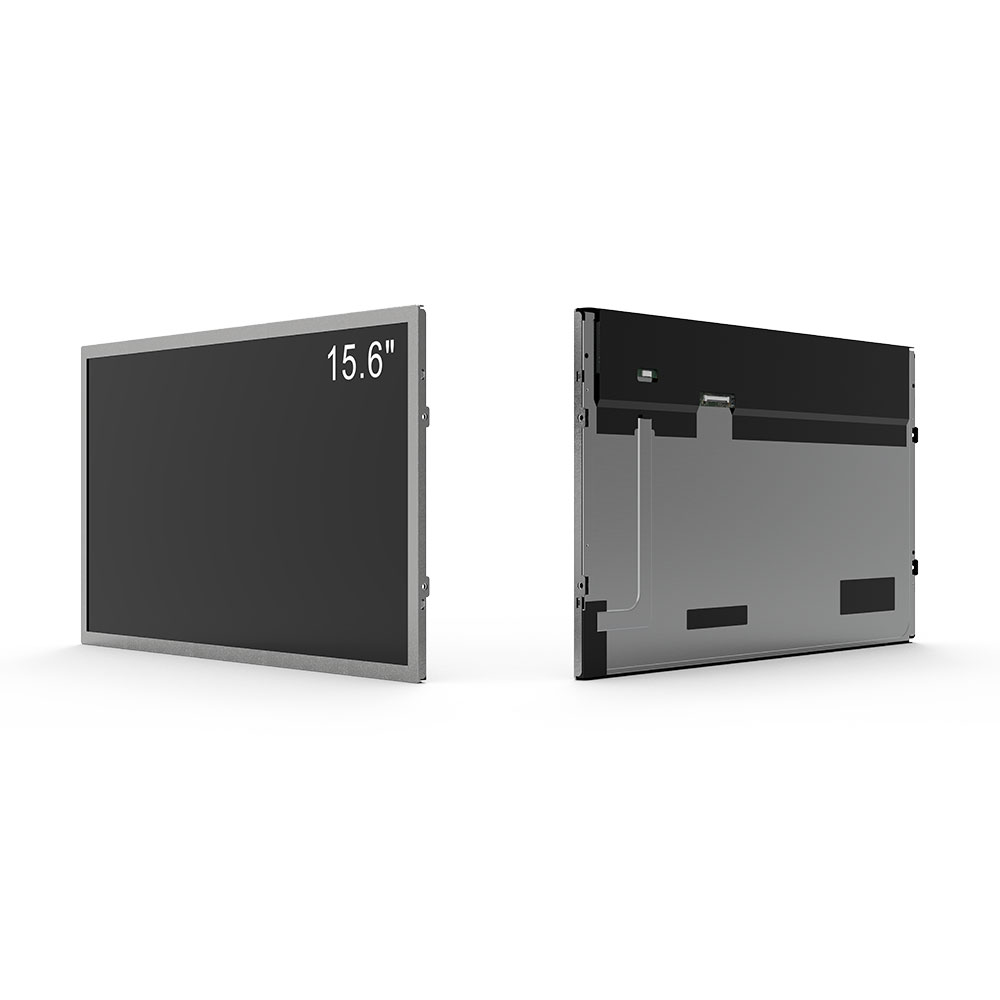
Third, interface compatibility matters. Modern industrial LCDs support LVDS, MIPI DSI, or HDMI inputs, but ensure your control system (e.g., PLCs or embedded processors) supports the same protocol. Some vendors now provide customizable firmware for integration with legacy systems—a major advantage for retrofitting older machinery.
Finally, longevity and support. Choose suppliers offering 5+ year warranties and robust technical support. Case studies from companies like Siemens and ABB show that using certified industrial LCDs reduces unplanned downtime by up to 40%.
In summary, the right LCD isn’t just about resolution—it’s about engineering for real-world conditions. By focusing on brightness, environmental ratings, interface flexibility, and long-term support, overseas manufacturers can enhance both product quality and customer satisfaction.