
Understanding LCD Display Technology and Its Applications in Modern Devices
In today’s digital age, Liquid Crystal Display (LCD) technology remains a cornerstone of modern visual interfaces across consumer electronics, industrial equipment, and medical devices. While OLED and MicroLED are gaining traction, LCDs continue to dominate due to their cost-effectiveness, energy efficiency, and reliability—especially in mid- to high-end applications such as smartphones, televisions, automotive dashboards, and medical imaging systems.
LCDs function by manipulating liquid crystals using electric currents to control light passage through a backlight system. The core components include a polarizing filter, a liquid crystal layer, color filters, and a backlight source—typically LED-based for modern displays. When voltage is applied, the alignment of liquid crystals changes, allowing or blocking light from passing through. This creates visible pixels that form images on the screen.
The evolution of LCD technology has led to significant improvements in resolution, contrast ratio, response time, and viewing angles. For example, In-Plane Switching (IPS) panels have become the standard for high-quality displays due to superior color accuracy and wide viewing angles. Vertical Alignment (VA) panels offer higher contrast ratios, while Twisted Nematic (TN) panels remain popular in gaming monitors for their fast response times.
Manufacturers like LG Display, Samsung Display, and AU Optronics produce high-performance LCD panels used in major brands including Apple, Sony, and Dell. These companies invest heavily in research to improve pixel density, reduce power consumption, and enhance durability under extreme environmental conditions—such as temperature fluctuations, humidity, and mechanical stress.
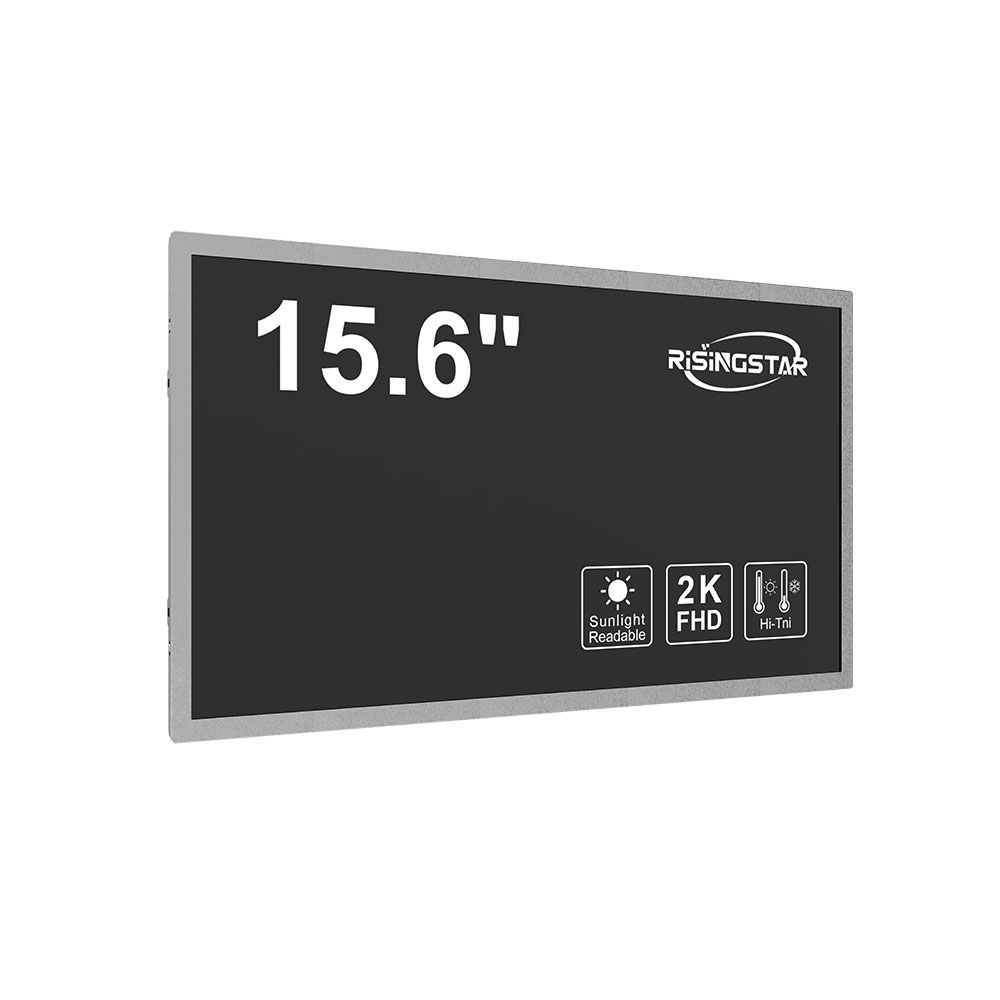
Environmental testing protocols, such as those defined by IEC 60068 and MIL-STD-810, ensure LCD modules meet stringent standards for performance in harsh environments. For instance, automotive-grade LCDs must operate reliably between -40°C and +85°C, with resistance to vibration and electromagnetic interference (EMI).
Moreover, sustainability considerations are now central to LCD manufacturing. Many suppliers have adopted eco-friendly processes, including reduced mercury content, recyclable materials, and energy-efficient production lines. According to the International Energy Agency (IEA), LCD displays consume up to 30% less power than older CRT technologies, contributing significantly to global energy conservation efforts.
In healthcare, LCDs are essential in diagnostic tools like ultrasound machines, CT scanners, and patient monitors. Their ability to render precise grayscale levels and maintain consistent brightness over time ensures accurate interpretation by medical professionals. Similarly, in retail, digital signage powered by LCDs offers dynamic advertising solutions that can be remotely updated and monitored.
Despite emerging alternatives, LCDs remain unmatched in terms of scalability and mass production efficiency. They are ideal for large-format screens (e.g., 75-inch TVs), budget-conscious products, and environments where longevity and stability are critical. As display technology advances, innovations such as Mini-LED backlights, quantum dot enhancement, and adaptive brightness control further solidify LCD’s position as a versatile and future-proof solution.
This article explores the inner workings of LCD technology, its diverse applications, industry standards, environmental impact, and how it continues to evolve alongside newer display technologies. Whether you're a designer, engineer, procurement specialist, or end-user, understanding LCDs provides valuable insight into the visual infrastructure of our increasingly connected world.
To deepen your knowledge, consider reviewing technical datasheets from leading panel manufacturers, attending industry conferences like SID Display Week, or consulting white papers published by organizations such as the Society for Information Display (SID). These resources provide detailed insights into panel specifications, test methodologies, and real-world deployment experiences.
For example, a recent study by Display Supply Chain Consultants (DSCC) shows that over 70% of all flat-panel displays shipped globally in 2023 were LCDs—a testament to their enduring relevance. Furthermore, ongoing R&D in areas like flexible LCDs and transparent displays hints at exciting new possibilities beyond traditional rigid screens.
As we move toward smart cities, autonomous vehicles, and immersive AR/VR experiences, LCD technology will continue to play a foundational role—not just as a display but as a reliable, scalable interface between humans and machines.
上一篇:How to Choose the Right LCD Display for Industrial Applications
下一篇:Understanding Strip Screen Series Sizes and Applications in Modern Display Technology