
Understanding Strip Screen Series Sizes and Applications in Modern Display Technology
Strip screens, also known as narrow bezel or edge-to-edge displays, have become a critical component in modern digital signage, industrial control systems, and commercial kiosks. These screens are characterized by their minimal frame around the display area—often less than 10mm—and are commonly used in multi-display setups where seamless visual continuity is essential. The strip screen series spans from compact sizes like 14.1 inches up to massive 86-inch formats, offering flexibility for both indoor and outdoor applications.
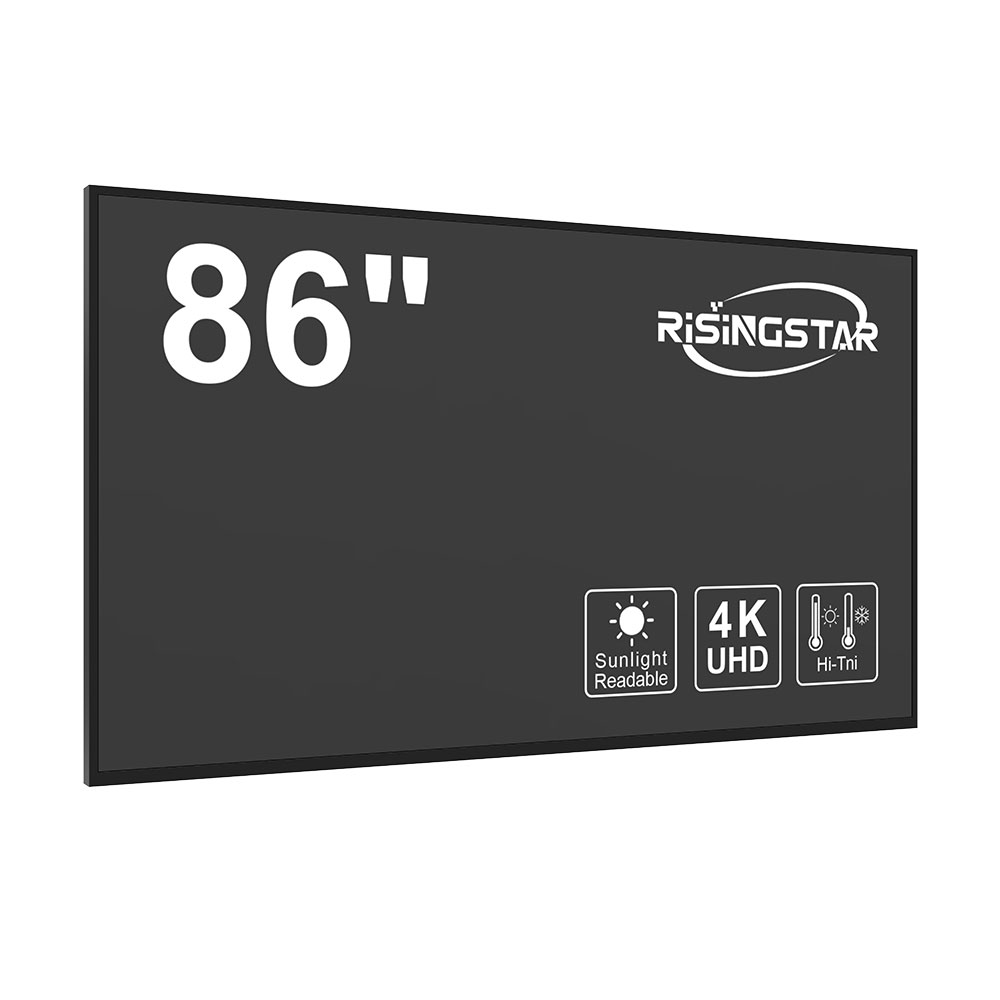
For example, the 19" and 19.5" models are widely adopted in retail point-of-sale (POS) terminals and interactive wayfinding displays due to their optimal balance of visibility and space efficiency. Larger formats such as 28.6", 37", and 43" are frequently deployed in transportation hubs, healthcare facilities, and command centers where high-resolution content must be viewed from multiple angles. The 58.4" and 86" variants serve as centerpiece displays in digital out-of-home (DOOH) advertising, stadiums, and large-scale event venues—offering immersive visual experiences with ultra-high brightness (up to 5000 nits) and robust environmental resistance (IP65-rated for dust and water protection).
Each size within this series is engineered using advanced panel technologies like IPS, VA, and LED-backlit LCDs to ensure consistent color accuracy, wide viewing angles, and long operational life (typically exceeding 60,000 hours). Manufacturers such as LG, Samsung, and AU Optronics provide certified modules that meet EMI/EMC standards (IEC 61000-6-2), making them suitable for sensitive environments like hospitals or military installations. Additionally, many strip screens support touch functionality (capacitive or resistive) and can be integrated into automated control systems via HDMI, DisplayPort, or USB-C inputs.
Whether you're designing a modular video wall for a corporate lobby or installing a multi-screen kiosk system in a busy airport, understanding the correct sizing, resolution, and mounting options for each strip screen model is crucial. Industry case studies show that proper selection improves user engagement by up to 35% in public spaces. Always consider factors such as ambient lighting, viewing distance, and content refresh rate when choosing a specific screen size from this versatile series.
上一篇:Understanding LCD Display Technology and Its Applications in Modern Devices
下一篇:How to Choose the Right LCD Display for Industrial Applications