In today’s digital age, Liquid Crystal Display (LCD) panels remain one of the most widely used technologies in consumer electronics, from smartphones and tablets to televisions and industrial monitors. As demand for higher resolution, better color accuracy, and energy efficiency increases, manufacturers are constantly refining LCD panel design, materials, and production processes. This article explores how advancements in LCD panel technology directly impact display quality—such as contrast ratio, viewing angles, and response time—and how these improvements influence manufacturing efficiency, cost-effectiveness, and sustainability.
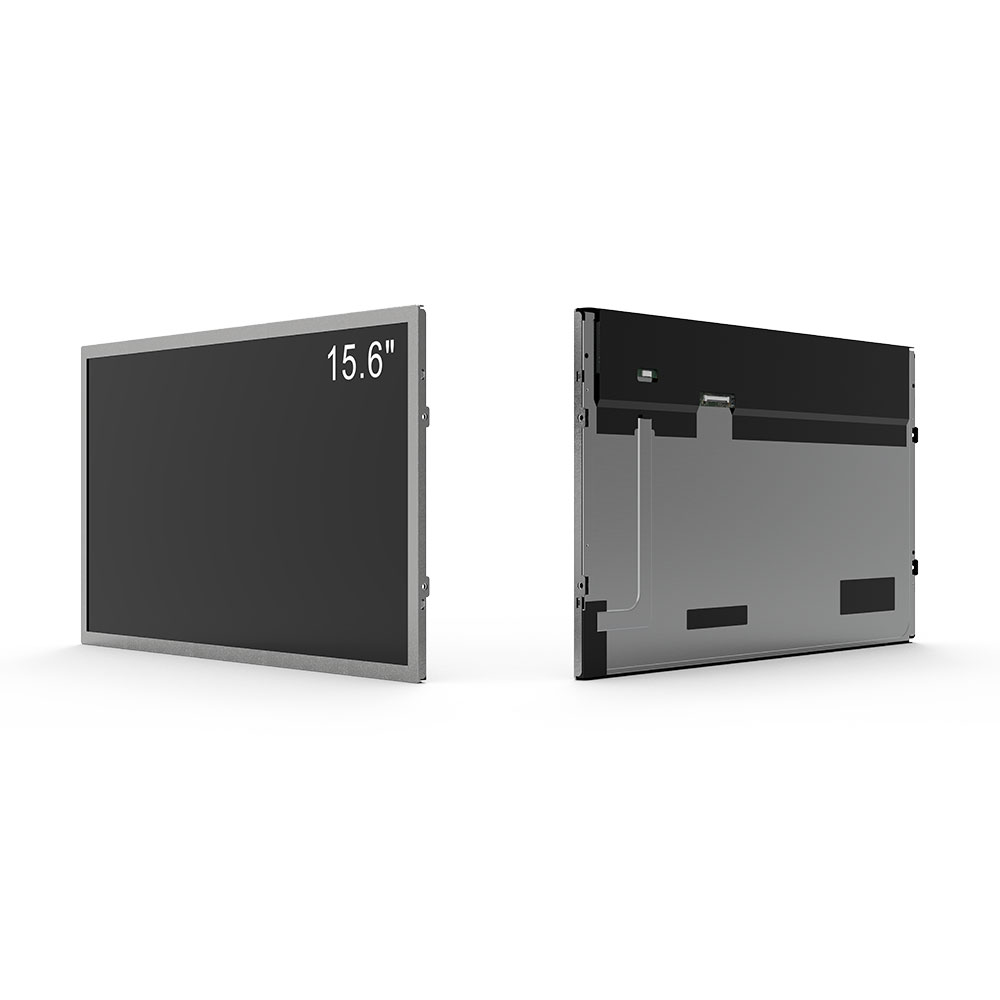
The foundation of any high-quality LCD lies in its panel structure. A typical LCD panel consists of several layers: a backlight unit (usually LED-based), polarizers, liquid crystal cells, color filters, and glass substrates. The arrangement and material quality of these components determine not only image clarity but also power consumption and longevity. For example, the shift from CCFL (Cold Cathode Fluorescent Lamp) backlights to LED-backlit panels has significantly reduced power usage while improving brightness uniformity and enabling thinner designs. Industry data from the International Display Consortium (IDC) shows that LED-backlit LCDs now account for over 90% of all flat-panel displays produced globally, underscoring their dominance in both consumer and professional markets.
One critical metric influenced by panel technology is contrast ratio—the difference between the brightest white and darkest black the screen can produce. Early LCDs struggled with poor black levels due to light leakage from the backlight. However, modern panels incorporate local dimming techniques and advanced anti-reflective coatings to enhance contrast. For instance, Samsung’s QLED panels use quantum dot technology combined with full-array local dimming (FALD) to achieve contrast ratios exceeding 1,000,000:1, rivaling OLED performance in many scenarios. Similarly, LG’s IPS (In-Plane Switching) panels offer superior color consistency across wide viewing angles, making them ideal for professional graphics work and collaborative environments where multiple users view the same screen simultaneously.
Response time—a measure of how quickly pixels change from one color to another—is another key factor in user experience, especially in gaming and fast-motion video playback. Traditional TN (Twisted Nematic) panels had fast response times (~1ms) but suffered from narrow viewing angles and poor color reproduction. In contrast, newer IPS and VA (Vertical Alignment) panels provide balanced performance: IPS offers excellent color accuracy and wide viewing angles at ~4–5ms response time, while VA delivers higher contrast and deeper blacks at slightly slower response times (~6ms). These trade-offs are being addressed through innovations like Fast IPS and Overdrive technologies, which reduce ghosting without compromising image quality.
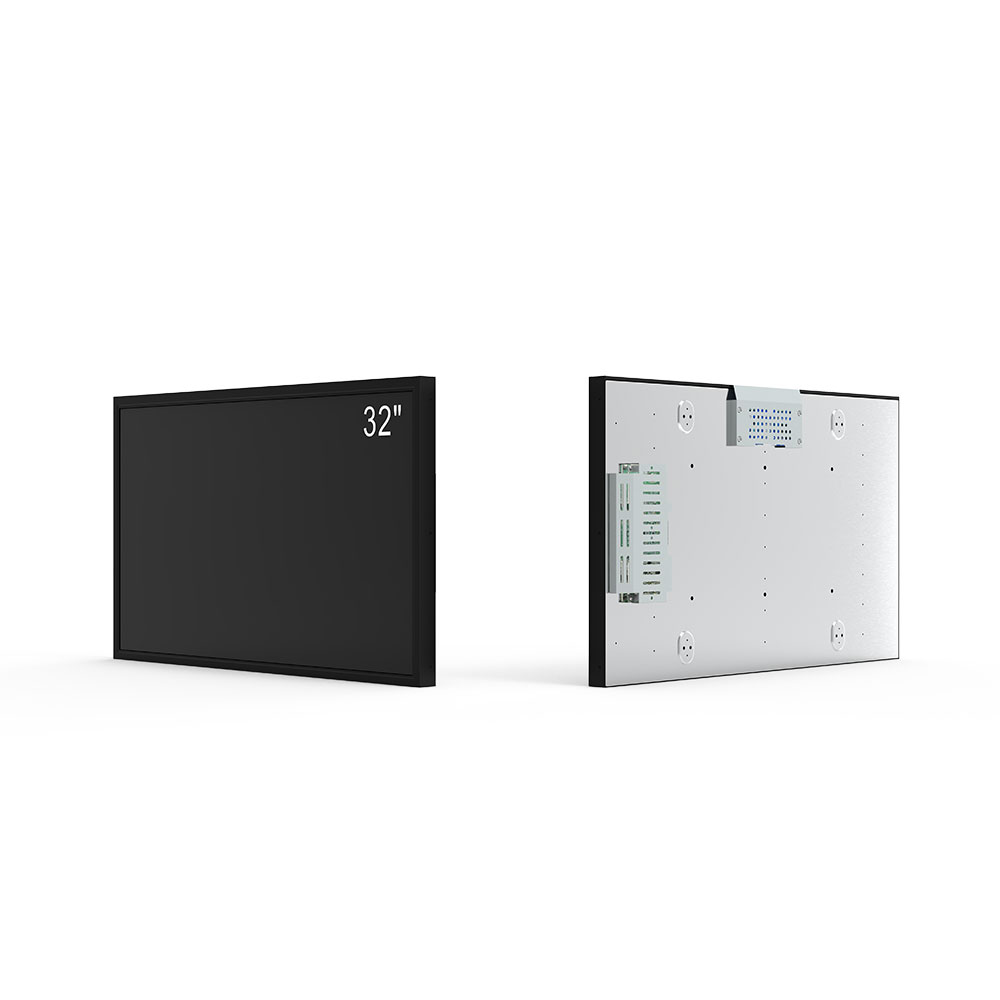
Manufacturing efficiency is equally important in determining the scalability and profitability of LCD production. As panel sizes increase—from 32 inches to 85 inches for TVs—and resolutions move toward 4K and even 8K, the challenge of maintaining yield rates becomes more pronounced. High-end fabs (fabrication plants) now employ automated optical inspection systems and real-time defect detection algorithms powered by machine learning. According to a 2023 report by Display Supply Chain Consultants (DSCC), such automation has increased yield rates by up to 15% in large-format panel lines, reducing waste and lowering production costs per unit. Additionally, advancements in photolithography and chemical vapor deposition (CVD) have allowed for finer pixel pitches and improved uniformity, further boosting productivity.
Environmental considerations also play a role in shaping LCD panel development. With growing pressure to reduce e-waste and carbon footprints, manufacturers are adopting eco-friendly materials such as lead-free glass substrates and mercury-free LEDs. The European Union’s RoHS (Restriction of Hazardous Substances) directive mandates compliance in all electronic products sold within member states, driving innovation in green manufacturing practices. Companies like BOE Technology and AU Optronics have implemented closed-loop water recycling systems and solar-powered factories to meet stringent environmental standards while maintaining competitive pricing.
Customer feedback reinforces the importance of these technological upgrades. On platforms like Amazon and Reddit, users frequently praise modern LCD panels for their vibrant colors, reduced eye strain during prolonged use, and consistent performance across different lighting conditions. For example, the ASUS ProArt PA279CV monitor, equipped with an IPS panel and sRGB 100% coverage, received over 4,000 positive reviews citing “accurate color reproduction” and “no noticeable flicker,” validating the effectiveness of current LCD design principles.
Looking ahead, hybrid technologies such as Mini-LED and Micro-LED are pushing the boundaries of what LCD panels can achieve. Mini-LED backlights offer localized dimming zones similar to OLED but with greater durability and lower manufacturing complexity. Meanwhile, Micro-LED promises self-emissive capabilities akin to OLED while retaining the longevity and brightness advantages of LCDs. While still in early commercial stages, these emerging solutions are expected to reshape the display industry within the next decade.
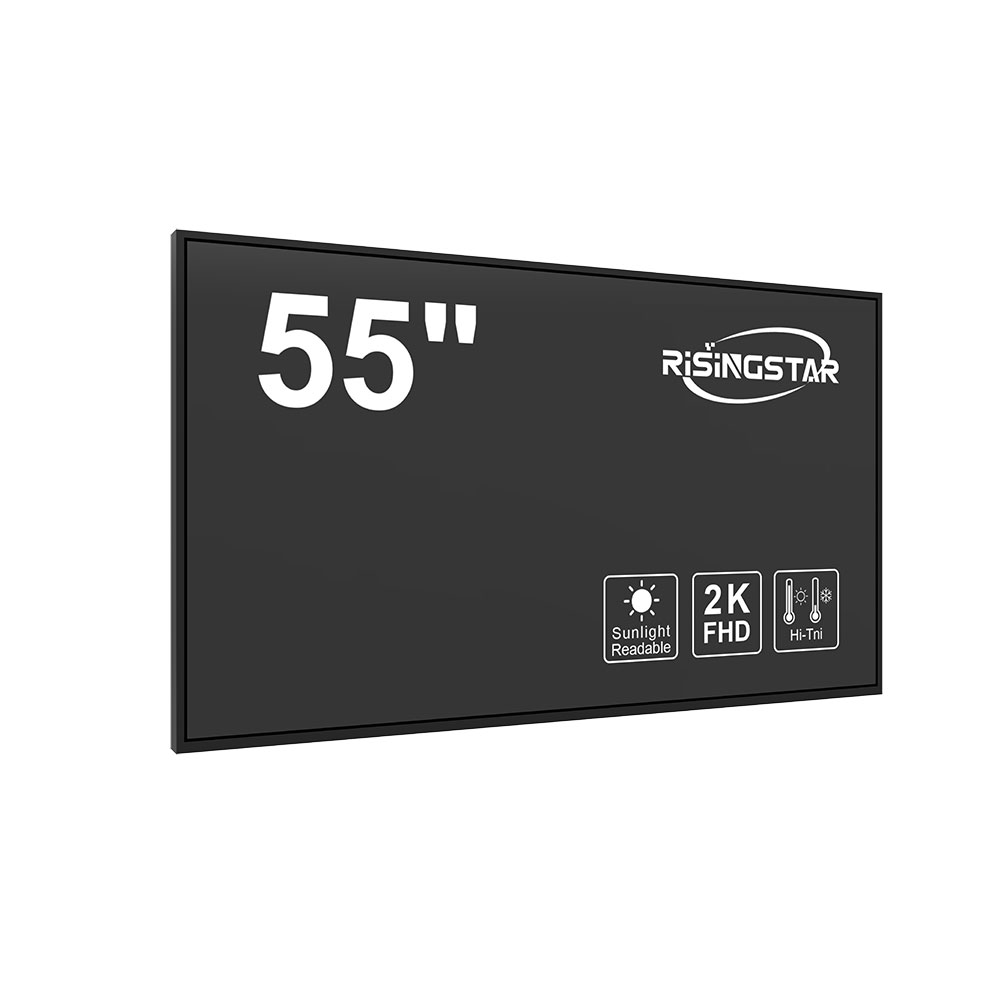
In summary, LCD panel technology continues to evolve rapidly, driven by both consumer expectations and industrial imperatives. From enhanced visual fidelity to streamlined production processes, each innovation contributes to a more sustainable, efficient, and user-centric future for displays worldwide. Whether you're a manufacturer optimizing yield or a consumer seeking the best value, understanding the nuances of LCD panel technology is essential for making informed decisions.