
Outdoor Digital Signage Solutions for Modern Building Displays
In today’s fast-paced urban environments, outdoor digital signage has become an essential tool for businesses, municipalities, and public institutions to communicate information effectively. Whether it's a shopping mall, airport terminal, or city square, the demand for clear, durable, and energy-efficient displays that operate reliably in diverse weather conditions continues to grow.
Modern outdoor digital display signage is engineered to withstand extreme temperatures, UV exposure, rain, snow, and even high winds—making them ideal for permanent installations on building facades, bus shelters, and public kiosks. These displays use advanced LED technology with brightness levels exceeding 5,000 nits, ensuring visibility even under direct sunlight. Unlike traditional static billboards, digital signage allows real-time updates, dynamic content scheduling, and remote management via cloud-based platforms—greatly enhancing operational flexibility and marketing ROI.
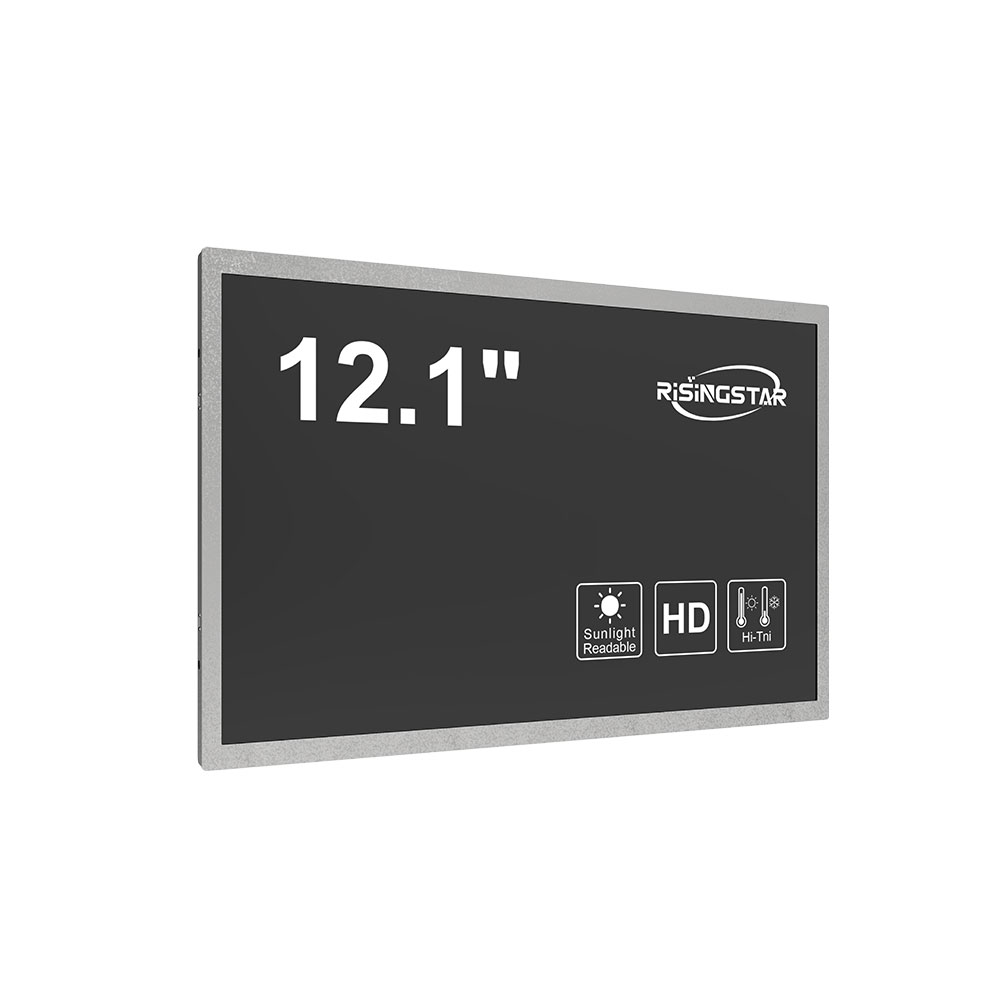
For building managers and architects, integrating digital displays into façade design not only improves aesthetics but also adds functional value. For example, hotels use large-format LED screens to promote events or room availability, while city governments deploy digital signs for emergency alerts, transit updates, or public service announcements. The versatility of these systems includes support for video playback, live feeds, social media integration, and interactive touchscreens—creating immersive experiences for pedestrians and drivers alike.
Key considerations when selecting outdoor digital signage include environmental durability (IP65 or higher rating), power efficiency (often featuring adaptive brightness control), and ease of maintenance. Leading manufacturers now offer modular designs for quick repairs and scalable solutions tailored to different building sizes—from small retail storefronts to multi-story commercial complexes.
As smart cities evolve globally, outdoor digital signage is no longer just about advertising—it’s a critical infrastructure component for civic engagement, safety, and urban branding. With ongoing innovations in AI-driven content optimization and solar-powered units, the future of building-mounted digital displays promises smarter, greener, and more responsive public communication.