
Understanding LCD Technology in Modern Displays
LCD (Liquid Crystal Display) technology remains one of the most widely used display solutions across consumer electronics, industrial equipment, and commercial signage. From smartphones to large-format digital billboards, LCDs offer a balance of performance, cost-efficiency, and energy efficiency that continues to make them indispensable in today’s visual communication landscape.
One of the key practical applications of LCD technology lies in its use in televisions, monitors, and laptops. Major manufacturers like LG, Samsung, and Sharp have refined LCD panel production using advanced backlighting techniques—such as LED-backlit panels—to enhance brightness, contrast, and color accuracy. For example, IPS (In-Plane Switching) panels, now standard in high-end monitors, provide wide viewing angles and consistent color reproduction, making them ideal for graphic design, video editing, and medical imaging.
Another growing application is in automotive dashboards and infotainment systems. LCDs are preferred here due to their durability, low power consumption, and ability to operate in extreme temperatures—a critical factor in vehicle environments. Recent trends show an increase in curved LCD displays for modern car interiors, enhancing both aesthetics and driver ergonomics.

Despite their widespread adoption, LCDs face common challenges. One persistent issue is image retention or "burn-in," particularly when static images are displayed for extended periods—common in kiosks or public information displays. Manufacturers mitigate this by implementing pixel-shifting algorithms and automatic screen savers. Another challenge is response time; older TN (Twisted Nematic) panels often suffered from motion blur, though newer IPS and VA (Vertical Alignment) panels have reduced this significantly through faster switching speeds.
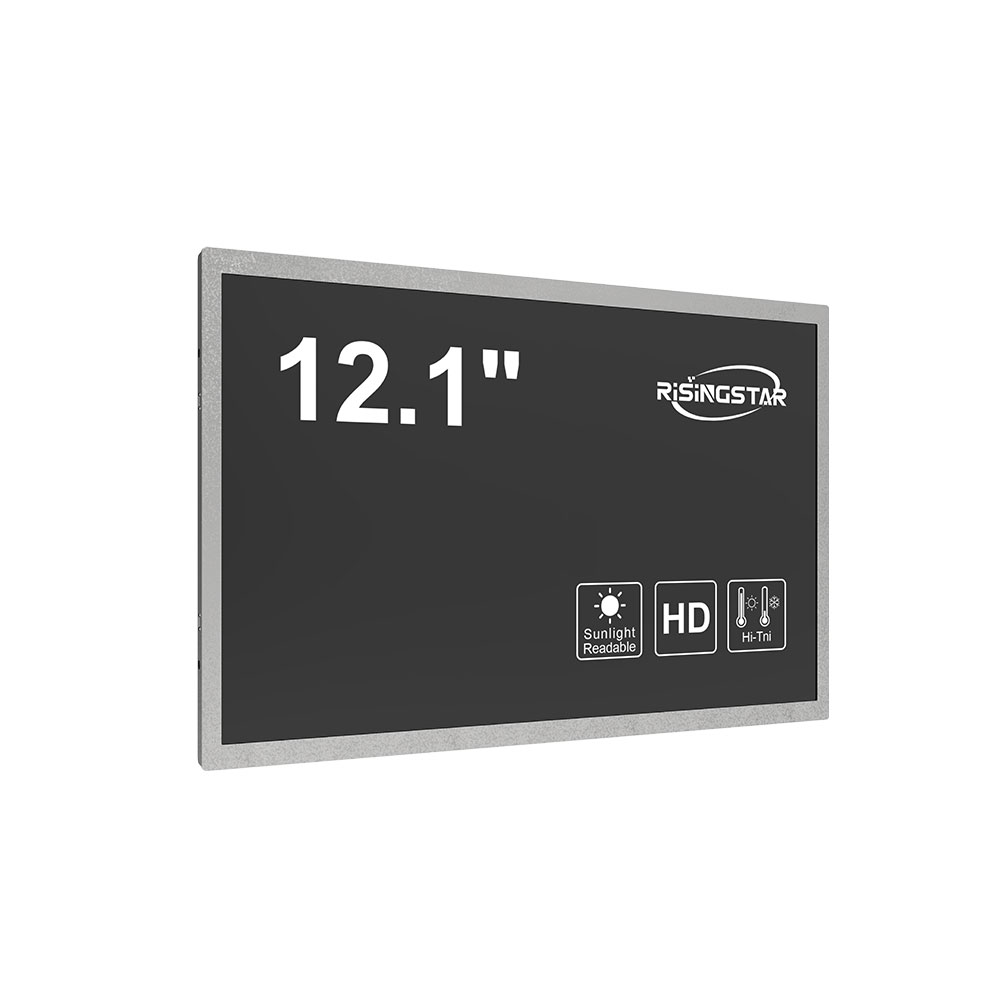
The latest trend in LCD development includes the integration of mini-LED backlights, which deliver superior local dimming compared to traditional LED arrays. This advancement allows for deeper blacks and higher peak brightness, rivaling OLED performance in many scenarios while maintaining LCD’s inherent advantages like longer lifespan and lower cost. According to a 2023 report by IHS Markit, over 70% of premium TVs shipped globally now feature mini-LED backlighting, signaling a strong industry shift toward hybrid technologies that bridge the gap between LCD and OLED.
Environmental sustainability is also driving innovation. LCD producers are increasingly adopting mercury-free manufacturing processes and recyclable materials, aligning with global regulations such as RoHS (Restriction of Hazardous Substances). These efforts not only reduce environmental impact but also meet growing consumer demand for eco-friendly products.
In summary, LCD technology continues to evolve, offering robust, scalable solutions for diverse industries. With ongoing improvements in contrast, response time, and eco-design, LCDs remain a reliable and cost-effective choice for both consumers and businesses seeking high-quality visual experiences.