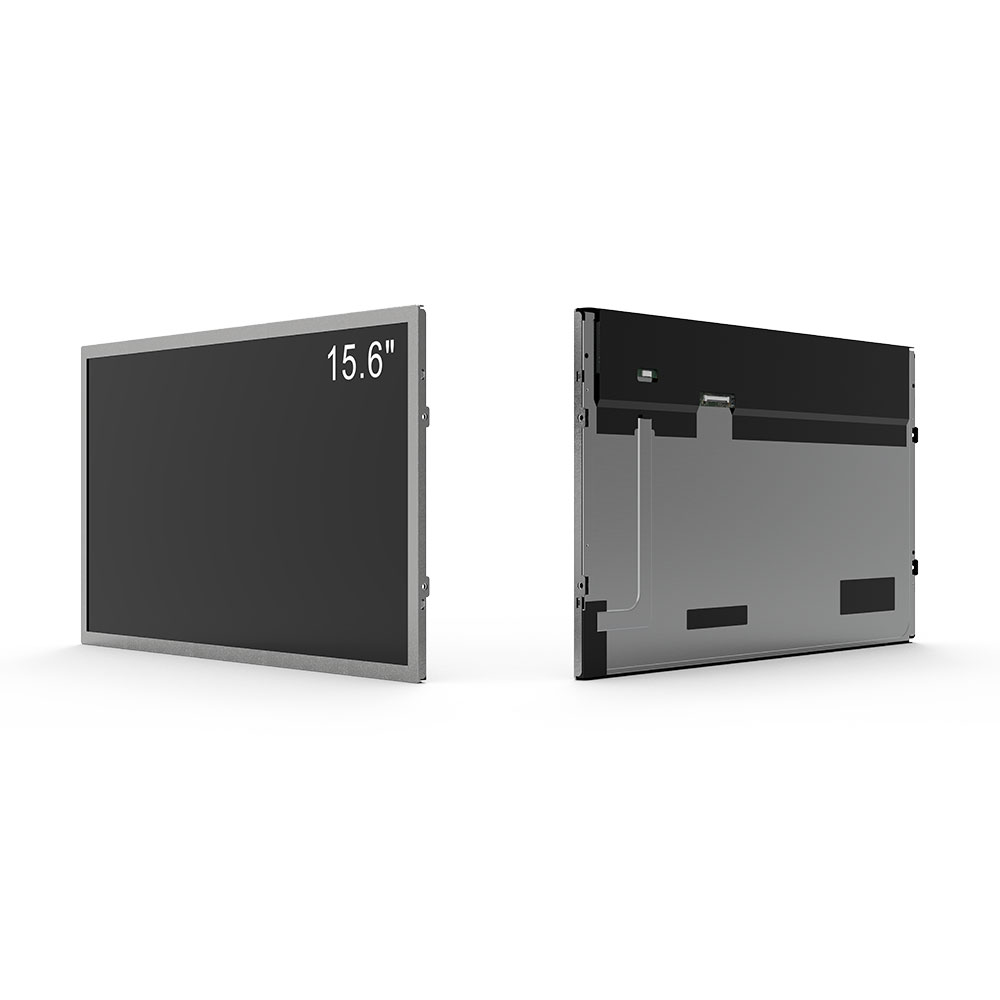
Enhancing Visual Experience with 2K and 4K LCD Displays
In today’s rapidly evolving digital landscape, high-resolution displays have become a cornerstone of modern visual technology. Among the most sought-after options are 2K and 4K LCD displays, which deliver stunning clarity, vivid colors, and immersive viewing experiences for both consumers and professionals. Whether you're a gamer, a content creator, or someone who values sharp visuals in daily tasks like video conferencing or graphic design, choosing between 2K and 4K resolution can significantly impact performance and satisfaction.
A 2K display typically refers to a resolution of 2560 x 1440 pixels—also known as QHD (Quad High Definition). This resolution offers a substantial improvement over Full HD (1920 x 1080), providing about 78% more pixel density. It strikes an excellent balance between performance and visual fidelity, making it ideal for mid-range gaming monitors, productivity laptops, and professional workstations that don’t require extreme detail but still demand crisp text and smooth visuals.
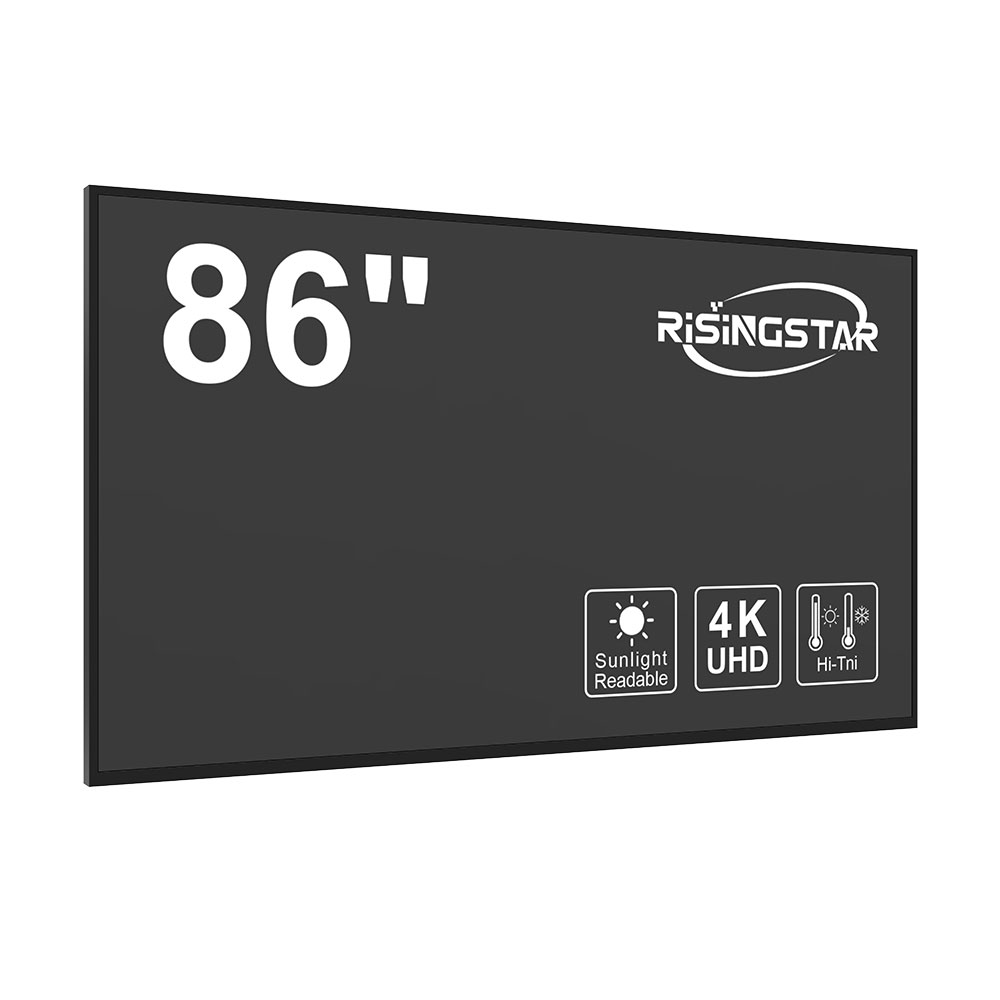
On the other hand, a 4K display delivers a resolution of 3840 x 2160 pixels—often labeled as Ultra HD (UHD). With four times the number of pixels compared to Full HD, 4K provides breathtaking detail and realism, particularly on larger screens or when viewed at close distances. Leading manufacturers such as LG, Dell, ASUS, and BenQ now offer premium 4K LCD panels using IPS (In-Plane Switching) technology, ensuring wide viewing angles, consistent color accuracy, and minimal glare. These displays are especially popular among designers, filmmakers, medical imaging specialists, and high-end gamers who demand pixel-perfect precision.
When selecting between 2K and 4K, consider your use case, hardware capabilities, and budget. A 4K display demands more from your GPU and may not be fully utilized on smaller screens (under 27 inches) due to limited pixel density perception. In contrast, 2K is often more efficient for everyday computing, offering near-4K quality at a lower price point and better compatibility with current GPUs and software ecosystems.
Industry benchmarks from DisplayMate and UL Procyon confirm that 4K LCDs now achieve peak brightness levels exceeding 1000 nits, with HDR10 support becoming standard. Meanwhile, 2K displays continue to dominate the mid-tier market, where cost-effectiveness and energy efficiency are critical factors. Both resolutions benefit from advancements in panel manufacturing, including OLED-LCD hybrids and mini-LED backlighting, enhancing contrast ratios and power efficiency.

Ultimately, whether you choose 2K or 4K depends on your needs—but both represent significant leaps in visual quality, supported by robust industry standards and growing ecosystem maturity. As LCD technology continues to evolve, these resolutions will remain essential tools for delivering immersive, accurate, and future-ready experiences across consumer electronics, enterprise solutions, and creative workflows.