
Understanding 4:3 Aspect Ratio LCD Displays for Professional and Legacy Applications
In the evolving landscape of display technology, the 4:3 aspect ratio remains a critical standard—especially in professional, industrial, and legacy systems where precision and compatibility matter. Unlike modern widescreen formats like 16:9 or 21:9, the 4:3 display ratio offers a more square-like geometry that was dominant in early computer monitors and is still widely used in medical imaging, industrial control panels, point-of-sale (POS) terminals, and older CRT-based equipment.
Common sizes such as 15-inch, 17-inch, and 19-inch LCDs with a 4:3 ratio are frequently found in embedded systems, kiosks, and control rooms where maintaining pixel-perfect alignment with legacy software is essential. These displays typically use TFT-LCD (Thin-Film Transistor Liquid Crystal Display) technology, which ensures consistent brightness, accurate color reproduction, and low power consumption—key advantages for 24/7 operation environments.
For instance, a 15-inch 4:3 LCD monitor often features a resolution of 1024x768 pixels, matching the native resolution of many older Windows applications and CAD programs. Similarly, a 17-inch model may offer 1280x1024 resolution, while a 19-inch unit can support up to 1440x1080 in some configurations—though this is less common due to the prevalence of widescreen alternatives.
Manufacturers like LG, Samsung, and AU Optronics continue to produce high-quality 4:3 LCD panels, with many models certified under ISO 9001 and RoHS standards for reliability and environmental compliance. These displays are also tested under stringent conditions—such as temperature ranges from -20°C to 60°C—to ensure robustness in harsh industrial settings.
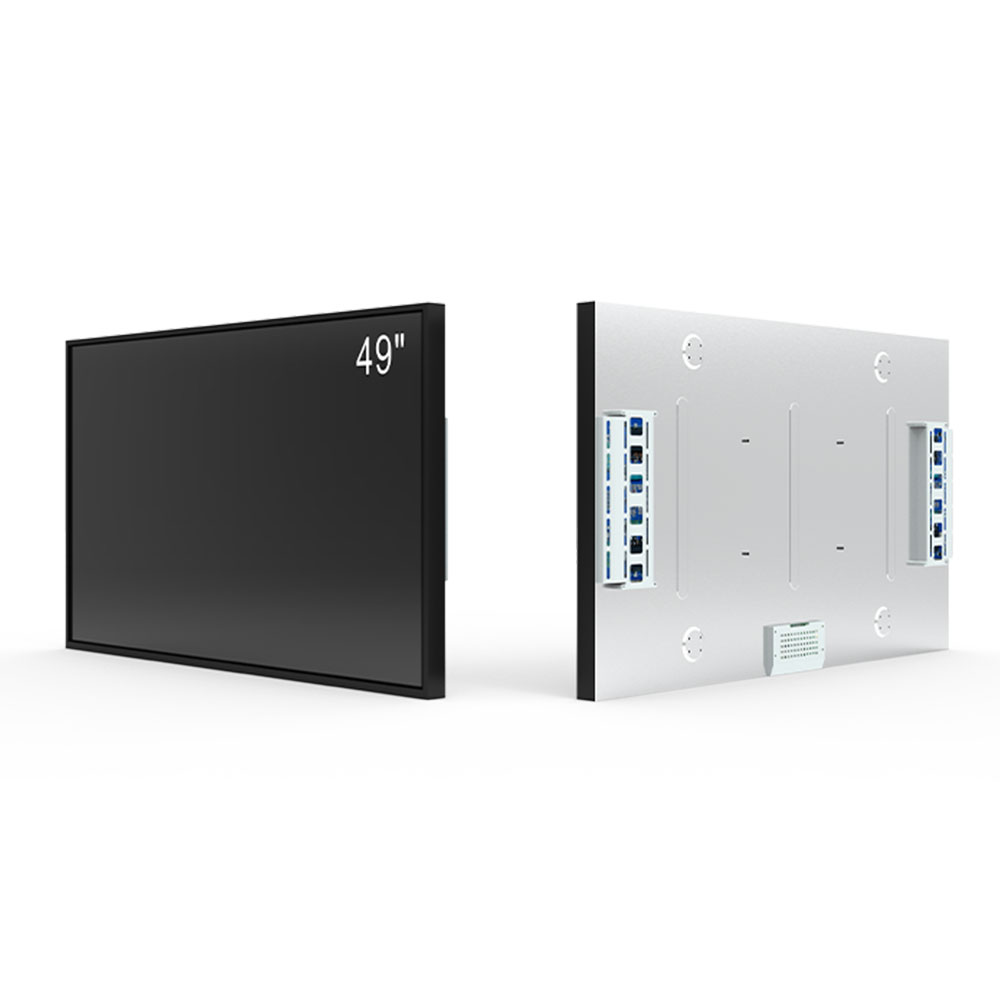
Moreover, the enduring relevance of 4:3 displays stems from their compatibility with existing infrastructure. In sectors like healthcare (e.g., ultrasound machines), retail (e.g., cash registers), and manufacturing (e.g., PLC interfaces), replacing legacy hardware with new widescreen displays would require costly software reconfiguration or driver updates. Therefore, the continued production and demand for 4:3 LCDs reflect a pragmatic balance between innovation and operational continuity.
When selecting a 4:3 LCD for mission-critical applications, it's crucial to evaluate not only the physical size (15", 17", 19") but also response time (typically< 8ms), viewing angles (>170°), and backlight uniformity. Many commercial-grade models include features like wide operating voltage (12–24V DC), ruggedized housings, and extended MTBF (Mean Time Between Failures) ratings exceeding 50,000 hours.
Ultimately, while 4:3 displays may appear outdated to consumers, they remain indispensable tools in specialized industries where stability, accuracy, and backward compatibility are non-negotiable. Their enduring presence underscores a fundamental truth in industrial electronics: sometimes, the best technology is the one that works reliably—no matter how old it seems.