
How to Choose the Right LCD Display for Industrial Applications
Selecting the appropriate LCD display for industrial applications requires a thorough understanding of environmental conditions, operational demands, and long-term reliability. Unlike consumer-grade displays, industrial LCDs must operate consistently in extreme temperatures, high humidity, vibration-prone environments, and dusty or corrosive settings. According to a 2023 report by MarketsandMarkets, the global industrial LCD market is projected to reach $15.6 billion by 2028, driven by increasing automation in manufacturing, energy, and transportation sectors.
Key factors to consider include brightness (measured in nits), viewing angles, contrast ratio, response time, and operating temperature range. For instance, displays used in outdoor machinery must have at least 1500 nits of brightness to remain visible under direct sunlight—a standard confirmed by ISO 9241-3. Additionally, wide viewing angles (typically ≥170°) are essential for multi-user access in control rooms or assembly lines.
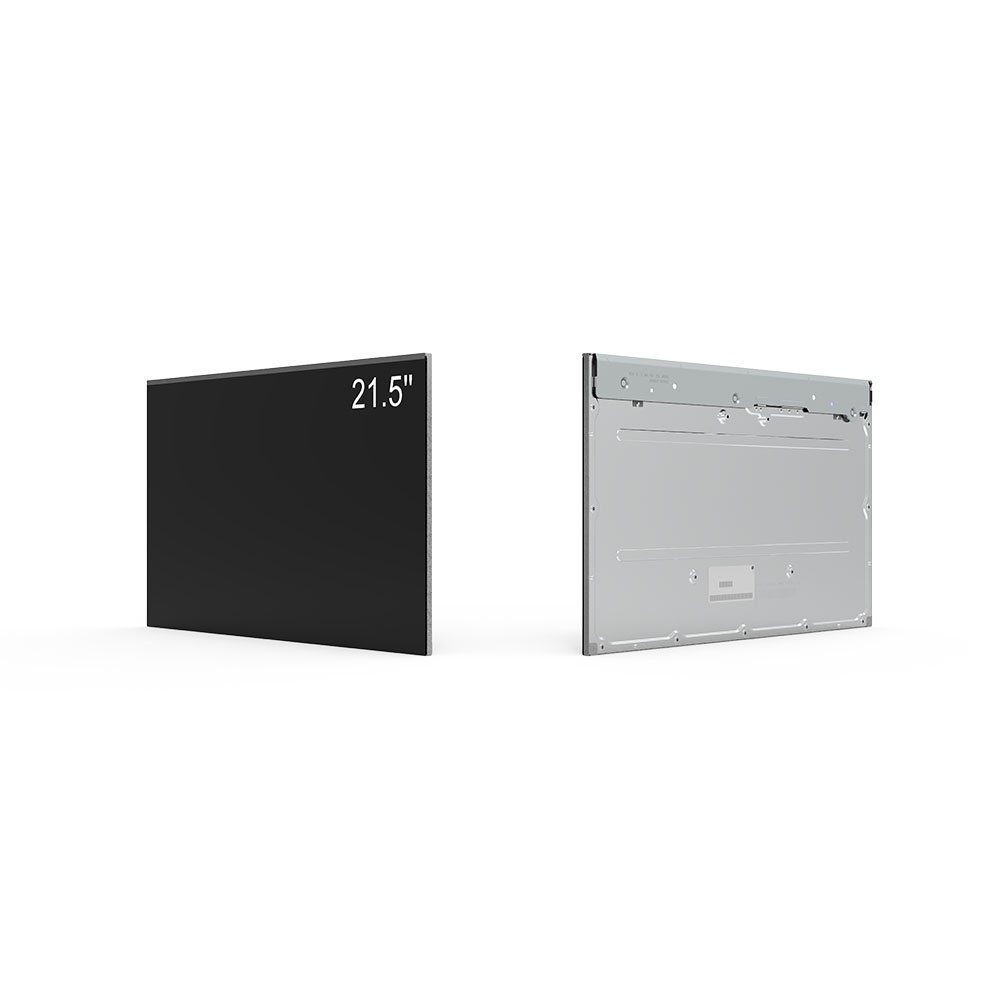
Durability is equally critical. Industrial-grade LCDs often use hardened glass (like Gorilla Glass or tempered mineral glass), sealed enclosures (IP65 or higher), and cold-weather components that function reliably from -30°C to +70°C. Manufacturers such as Sharp, LG, and AU Optronics offer ruggedized panels tested to MIL-STD-810G standards for shock and vibration resistance.
Power efficiency matters too—especially in remote or battery-powered systems. Low-power consumption models with integrated LED backlighting can reduce energy usage by up to 40% compared to older CCFL-based displays. Moreover, compatibility with industrial communication protocols like RS-485, CAN bus, or Ethernet (PoE) ensures seamless integration into existing PLC-based control systems.
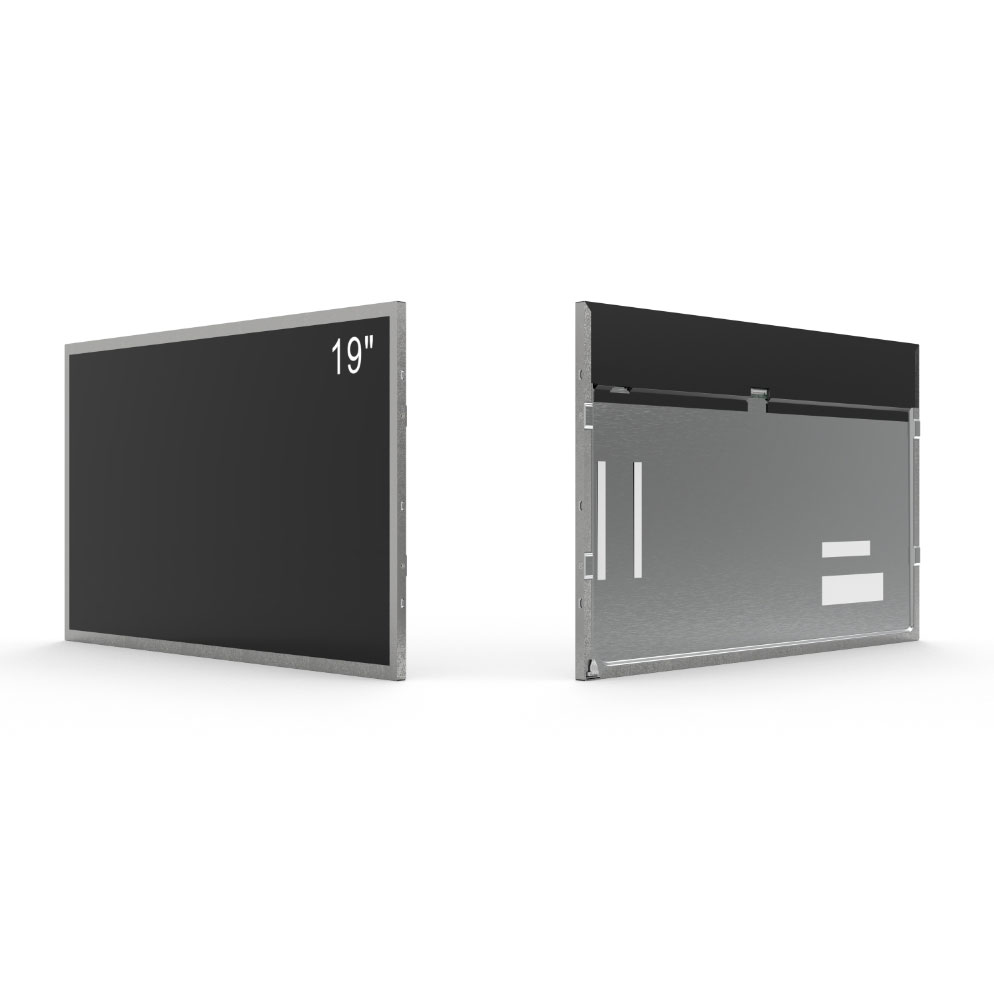
Customer feedback from industrial users emphasizes longevity and service support. A 2022 survey by Automation World found that 78% of engineers prioritized manufacturer warranty length (typically 3–5 years) and local technical support over initial cost. This underscores the importance of choosing suppliers with established distribution networks and robust after-sales service.
Ultimately, selecting the right industrial LCD isn’t just about specs—it’s about matching performance to real-world constraints. Whether deploying in oil rigs, food processing plants, or rail transit systems, the ideal display must balance clarity, durability, and total cost of ownership.
上一篇:How to Choose the Right LCD Panel for Your Project
下一篇:How to Choose the Right LCD Display for Industrial Applications