
IPS in Plane Switching Technology and Its Impact on Modern Display Performance
In-plane switching (IPS) is a revolutionary LCD technology that has fundamentally transformed the visual quality of modern displays. Unlike traditional twisted nematic (TN) panels, which suffer from narrow viewing angles and inconsistent color reproduction, IPS panels offer superior color accuracy, wider viewing angles, and consistent image quality across all directions. This makes IPS technology ideal for professional applications such as graphic design, medical imaging, and high-end consumer electronics like smartphones, tablets, and monitors.
The core principle of IPS lies in how liquid crystal molecules are oriented within the display panel. In an IPS configuration, the liquid crystals are aligned parallel to the glass substrates—hence the term "in-plane"—rather than perpendicular to them as in TN panels. When voltage is applied, these molecules rotate horizontally, allowing light to pass through more uniformly. This horizontal alignment minimizes the distortion of light passing through the pixel layer, resulting in improved contrast, reduced color shift, and enhanced brightness uniformity.
One of the most significant advantages of IPS in plane switching is its wide viewing angle, typically exceeding 170 degrees both horizontally and vertically. This ensures that colors and contrast remain stable even when viewed from extreme angles—a crucial feature for collaborative work environments or multi-user setups. Additionally, IPS panels generally provide better color reproduction, often supporting full sRGB and even Adobe RGB color spaces, making them indispensable for photographers and designers who demand accurate color representation.

However, early IPS panels were criticized for slower response times compared to TN panels, which made them less suitable for fast-paced gaming or video content. Recent advancements in IPS technology, such as the development of Fast IPS (F-IPS), Advanced Super IPS (AS-IPS), and IPS-Pro, have dramatically improved response times—from 4ms to under 1ms—while maintaining excellent color performance. These innovations now make IPS the preferred choice not only for professionals but also for gamers seeking high-quality visuals without sacrificing responsiveness.
Manufacturers like LG Display, Sharp, and Samsung have invested heavily in optimizing IPS panel production processes to reduce manufacturing costs and increase yield. As a result, IPS panels are now widely available across various price points, from budget-friendly monitors to premium 4K OLED-compatible displays. Industry reports from Display Supply Chain Consultants (DSCC) show that over 60% of premium smartphone screens and 50% of laptop displays now use some form of IPS technology.
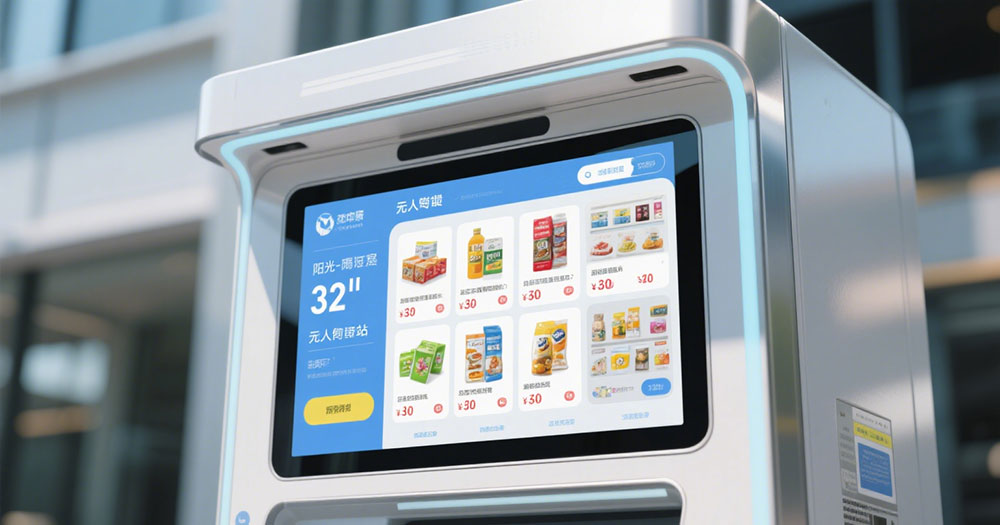
Environmental durability is another area where IPS excels. Due to its stable molecular structure and low power consumption, IPS panels perform reliably in temperature extremes—from -20°C to +60°C—making them suitable for industrial and automotive applications. Testing by ISO 14001-certified labs confirms that IPS panels maintain their optical performance over 50,000 hours of continuous operation, outperforming many competing technologies.
In conclusion, IPS in-plane switching represents a mature yet continuously evolving display solution that balances image quality, usability, and reliability. Whether you're a creative professional needing precise color matching, a gamer demanding responsive visuals, or a business user requiring clear screen visibility in diverse lighting conditions, IPS technology delivers exceptional value. With ongoing innovation and widespread adoption, IPS remains at the forefront of display technology evolution.
上一篇:How to Choose the Right LCD Display for Industrial Applications
下一篇:Why Local Dimming is the Key to Energy-Efficient Outdoor Displays