
How to Choose the Right LCD Panel for Your Display Needs
When selecting an LCD panel for your application—whether it's for consumer electronics, industrial equipment, or medical devices—it's essential to consider multiple technical and operational factors. The right choice ensures optimal performance, longevity, and cost-efficiency.
First, determine the display type: TN (Twisted Nematic), IPS (In-Plane Switching), VA (Vertical Alignment), or OLED. TN panels offer fast response times but limited viewing angles and color accuracy—ideal for gaming monitors. IPS panels provide superior color reproduction and wide viewing angles, making them perfect for graphic design and professional workstations. VA panels strike a balance between contrast ratio and response time, suitable for home theater displays.
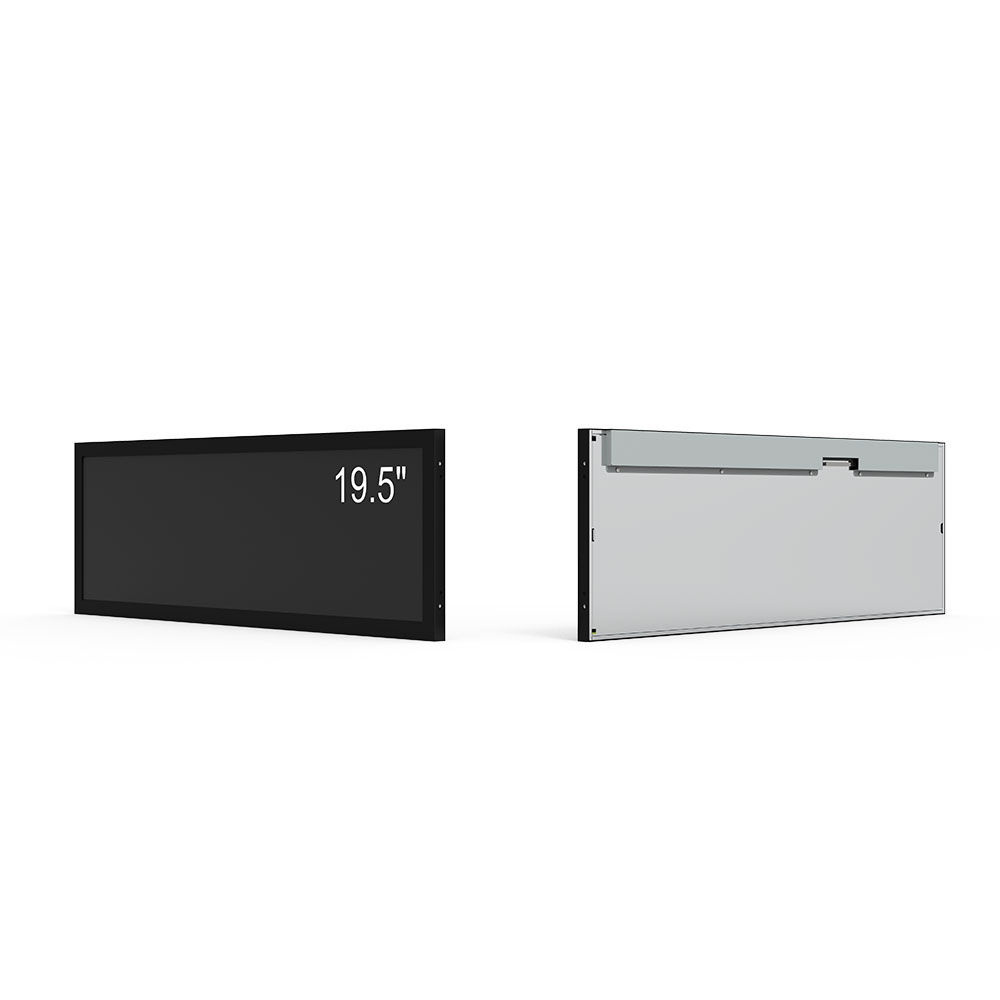
Next, assess resolution and pixel density. For high-definition content, 1080p (Full HD) is standard, while 4K UHD (3840x2160) is increasingly common in premium products. Ensure that the panel’s native resolution matches your source input to avoid scaling artifacts.
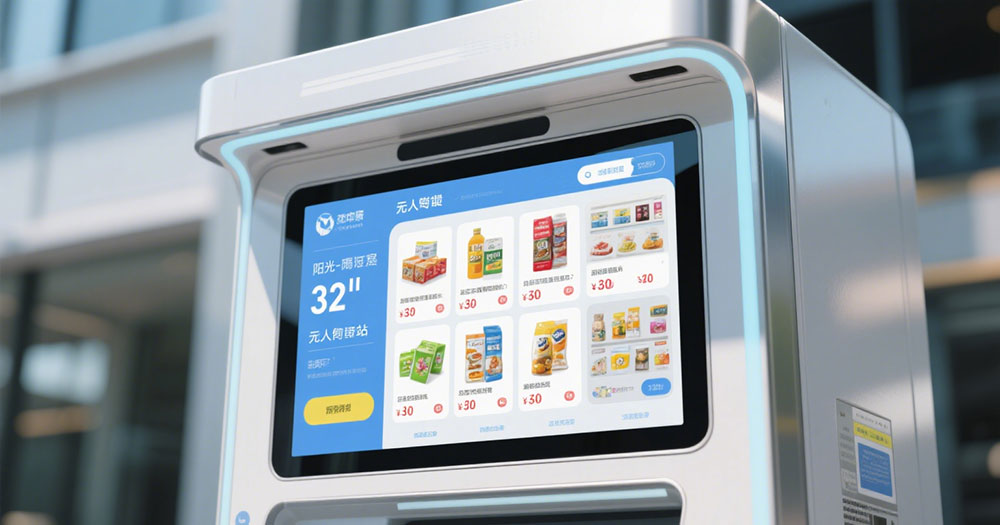
Brightness and contrast ratio matter for visibility under different lighting conditions. A minimum of 300 nits is recommended for indoor use; outdoor or high-brightness environments may require 500–1000 nits. High contrast ratios (e.g., 3000:1 or higher) improve image depth, especially in dark scenes.
Response time is critical for motion clarity. Gamers and video editors should look for panels with<5ms response times. For general office use, 10–15ms is acceptable.
Environmental durability is often overlooked. Industrial-grade panels must withstand extreme temperatures (-20°C to +70°C), humidity, and vibration. Look for certifications like IP65 or MIL-STD-810G for rugged applications.
Finally, consider power consumption and refresh rate. Modern panels use LED-backlit technology for energy efficiency. Refresh rates of 60Hz are standard; 120Hz or higher enhance fluidity in dynamic content.
By aligning panel specifications with your exact use case—be it portable device, factory automation, or healthcare monitoring—you can ensure reliable, high-quality visual performance across diverse environments.
上一篇:Choosing the Right 4:3 Aspect Ratio LCD Monitor for Professional and Industrial Use
下一篇:High-Brightness LCD Displays for Harsh Environments – 5000 Nits with IP68 Waterproofing