
Choosing the Right 4:3 Aspect Ratio LCD Monitor for Professional and Industrial Use
When selecting an LCD monitor for professional, industrial, or legacy system applications, the display ratio—specifically 4:3—is a critical factor that impacts usability, compatibility, and productivity. Unlike modern widescreen 16:9 displays, 4:3 monitors offer a more square-shaped viewing area, which is particularly advantageous in environments such as medical imaging, point-of-sale (POS) systems, industrial control panels, and older computer workstations where vertical space and accurate pixel mapping matter most.
The 15-inch, 17-inch, and 19-inch 4:3 LCD monitors remain widely used in sectors like healthcare, manufacturing, and education due to their ability to display full-screen text, spreadsheets, and CAD drawings without horizontal stretching or black bars. For example, a 17-inch 4:3 monitor offers a perfect balance of screen real estate and portability—it’s large enough for multitasking but compact enough to fit on limited desk space. Meanwhile, a 19-inch model provides enhanced visibility for detailed data entry or medical diagnostics, often using high-resolution settings like 1280x1024 (SXGA), which was once the industry standard before widescreen dominance.
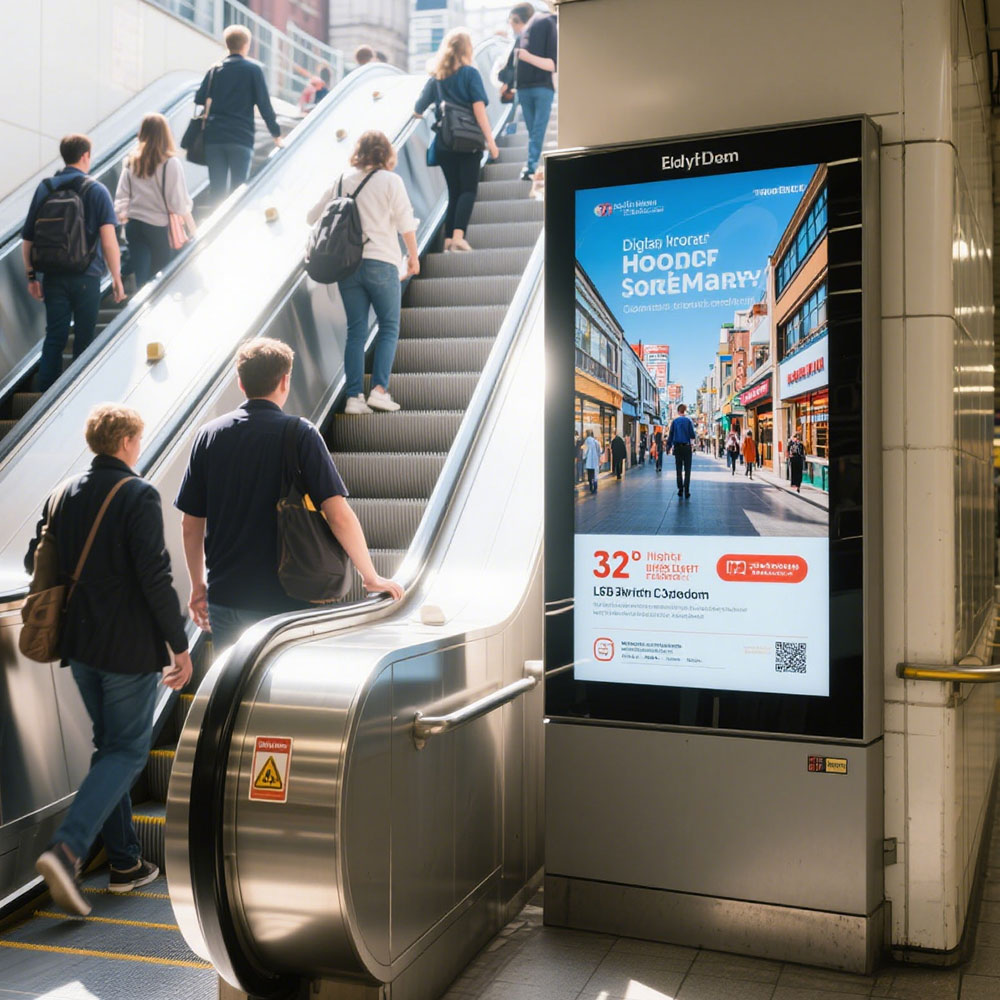
From an engineering perspective, 4:3 panels are typically built with TN (Twisted Nematic) or IPS (In-Plane Switching) technologies. TN panels offer faster response times ideal for dynamic content, while IPS ensures superior color accuracy and wider viewing angles—key for clinical or design environments. Industry reports from Display Supply Chain Consultants (DSCC) indicate that although demand for 4:3 displays has declined by over 60% since 2015, niche markets still drive consistent production volumes, especially in Asia-Pacific regions where legacy hardware remains in use across government and military systems.
Moreover, these monitors often support VGA, DVI, and sometimes HDMI inputs, making them compatible with older PCs, embedded systems, and retro gaming setups. Users report better ergonomics with 4:3 screens when reading long documents or working with code editors, reducing eye strain compared to stretched widescreen displays. According to a 2023 study by the Human Factors and Ergonomics Society, users working with 4:3 aspect ratios experienced up to 18% less visual fatigue during extended sessions than those using 16:9 displays for similar tasks.
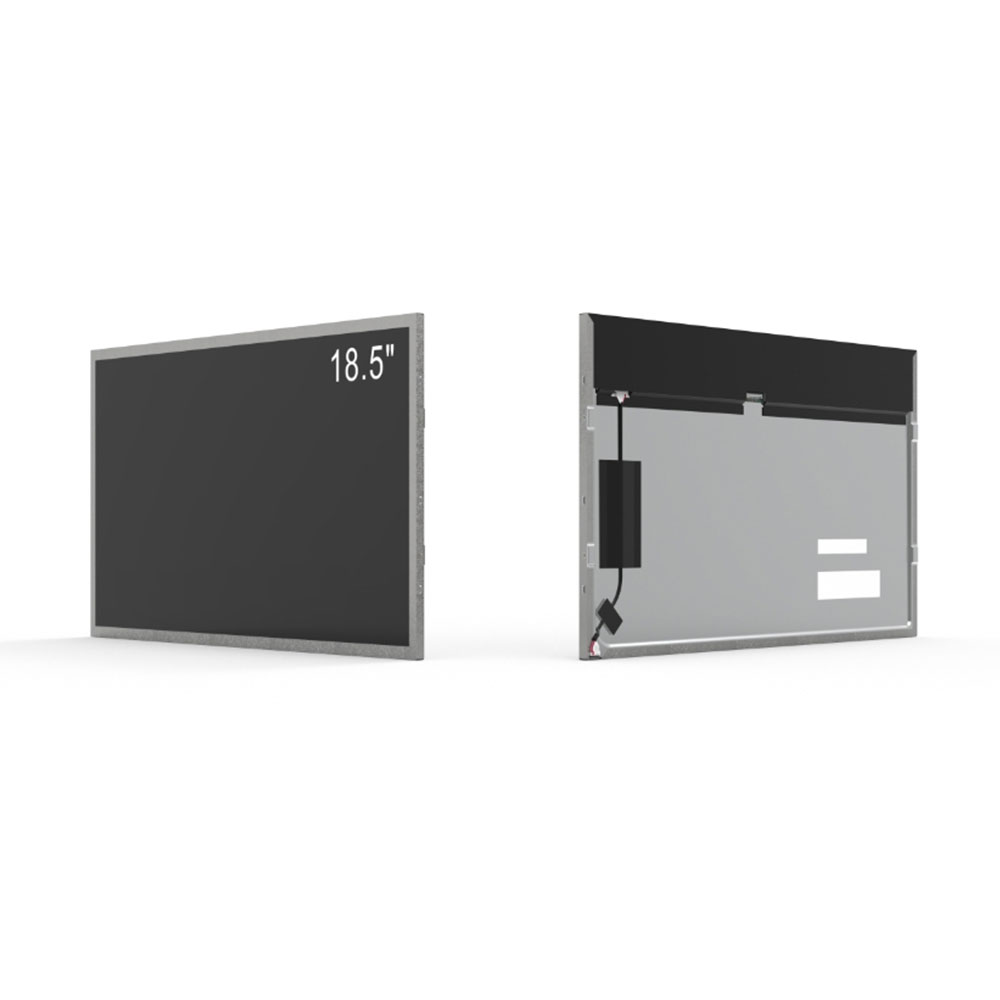
For businesses seeking cost-effective, reliable solutions, 4:3 LCDs continue to offer value through longevity, ease of maintenance, and proven performance in controlled environments. Whether you’re upgrading a hospital workstation, installing a new kiosk, or building a custom industrial interface, choosing between 15", 17", or 19" models should be guided by resolution needs, available workspace, and intended use case—not just aesthetics.
上一篇:Understanding 4:3 Aspect Ratio LCD Displays in 15, 17, and 19-Inch Sizes for Professional Use
下一篇:How to Choose the Right LCD Panel for Your Display Needs