
How to Choose the Right LCD Panel for Your Display Needs
When selecting an LCD panel for your display project—whether it's for consumer electronics, industrial equipment, or medical devices—it's crucial to understand the key technical and operational factors that influence performance, longevity, and cost. The right choice can ensure optimal image quality, energy efficiency, and compatibility with your intended application.
The introduction of LCD panels began in the 1960s, but modern variants like TN (Twisted Nematic), IPS (In-Plane Switching), VA (Vertical Alignment), and OLED (Organic Light-Emitting Diode) have significantly expanded capabilities. Each type offers distinct advantages based on viewing angles, color accuracy, response time, and power consumption. For example, IPS panels are widely used in professional monitors due to their superior color reproduction and wide viewing angles, while TN panels remain popular in gaming displays for their fast response times and lower cost.
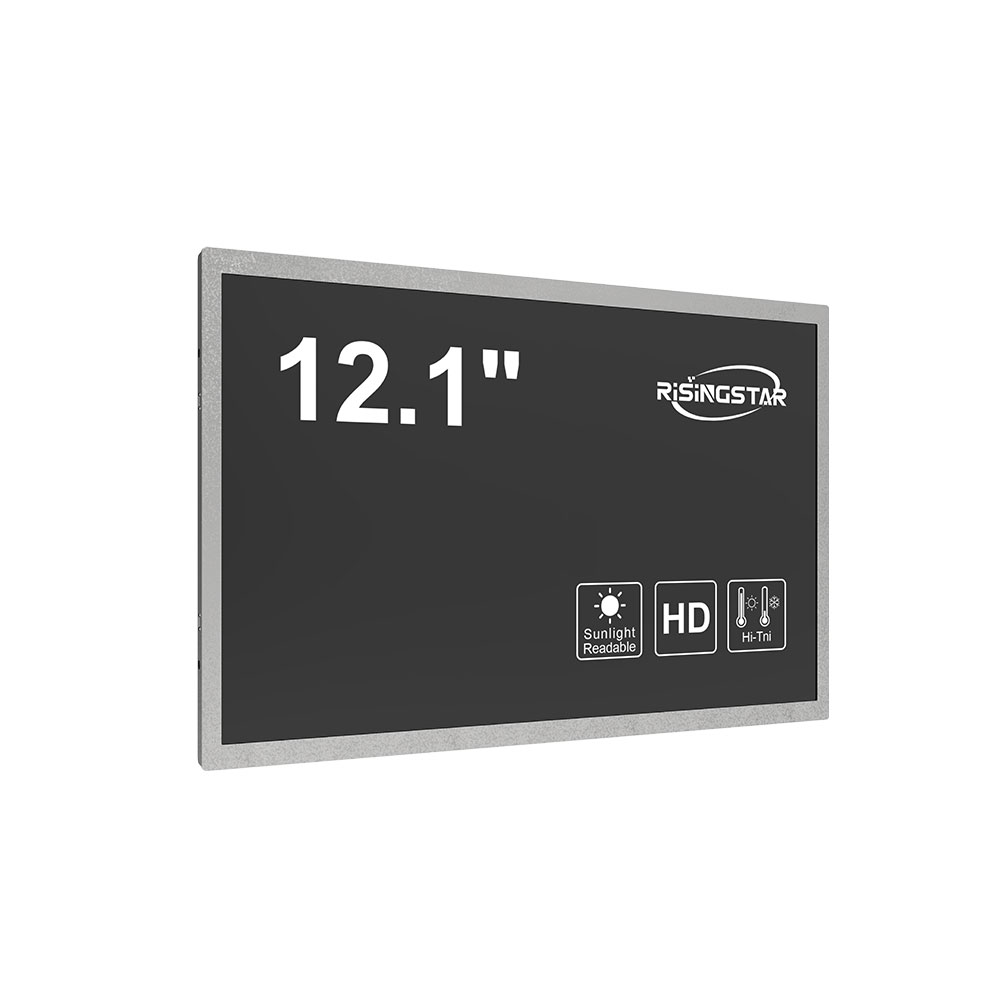
In the main body, consider four primary criteria: resolution, refresh rate, brightness, and contrast ratio. Resolution determines pixel density and clarity—higher resolutions like 4K UHD (3840x2160) offer sharper images but may require more powerful graphics processing units. Refresh rate, typically measured in Hz, affects motion smoothness; a 144Hz panel is ideal for gaming, whereas 60Hz suffices for office use. Brightness levels (measured in nits) should match ambient lighting conditions—industrial panels often exceed 1000 nits for outdoor visibility. Contrast ratio impacts depth perception; IPS panels usually achieve 1000:1–3000:1, while VA panels can reach up to 5000:1. Additionally, environmental resilience matters—industrial-grade LCDs must meet IP65 ratings for dust and water resistance and operate reliably from -20°C to 70°C.
Real-world applications further refine choices. Medical displays demand high color accuracy and uniformity, often using 10-bit IPS panels certified to ISO 13406 standards. Automotive infotainment systems prioritize sunlight readability and wide temperature tolerance, making VA panels with anti-glare coatings ideal. Consumer electronics, such as smartphones and tablets, favor AMOLED or low-power IPS due to battery life constraints. Industry reports from IHS Markit and Display Supply Chain Consultants (DSCC) consistently show that over 70% of new display projects now specify IPS or VA panels for improved user experience.
Finally, always validate supplier credibility through certifications like ISO 9001, RoHS compliance, and EPEAT registration. Avoid counterfeit or substandard panels by purchasing from authorized distributors and verifying batch-level test reports. A well-chosen LCD panel not only enhances functionality but also reduces long-term maintenance costs and improves end-user satisfaction.
Conclusion: Choosing the right LCD panel requires balancing technical specs with real-world usage scenarios. Whether you're designing a medical monitor, a ruggedized tablet, or a home entertainment system, understanding these fundamentals ensures better decision-making, longer product lifespan, and greater market competitiveness.
上一篇:Outdoor Digital Signage Reviews and Comparisons for 2024 Best Displays for Public Spaces
下一篇:没有了