
How to Choose the Right LCD Panel for Industrial Applications
When selecting an LCD panel for industrial applications, it's crucial to consider factors such as operating temperature range, brightness, viewing angles, and durability under harsh conditions. Unlike consumer-grade displays, industrial LCD panels must perform reliably in environments with extreme temperatures, vibration, dust, and moisture—such as manufacturing plants, transportation systems, or outdoor equipment. For example, a panel used in a mining vehicle must function from -30°C to +70°C without image degradation or failure.
Industry standards like IEC 60068-2 (Environmental Testing) and MIL-STD-810G (Military Standards) provide benchmarks for evaluating panel ruggedness. Panels with wide temperature ranges (e.g., -40°C to +85°C), high brightness (≥ 1000 nits), and anti-glare coatings are often preferred. Additionally, use of IPS (In-Plane Switching) or VA (Vertical Alignment) technologies ensures consistent color reproduction and wide viewing angles (>170°), which is essential for operator visibility in various positions.
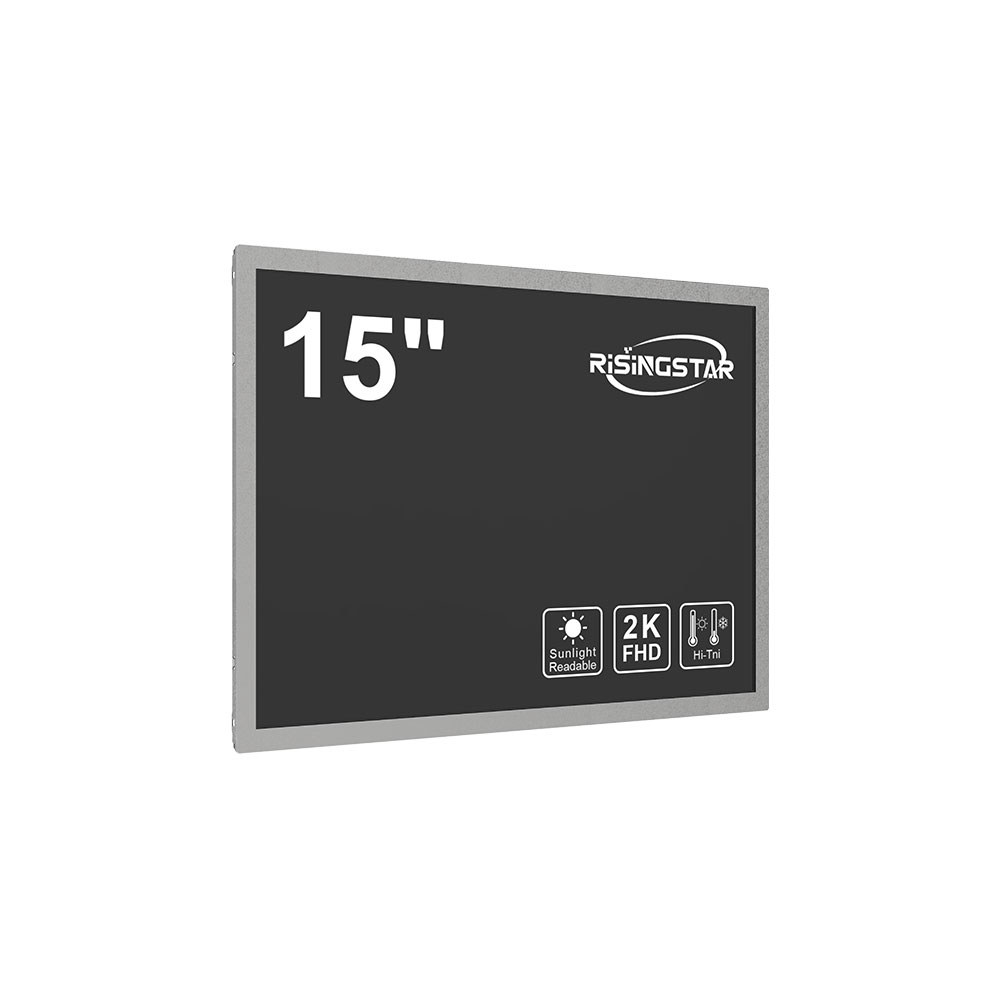
Manufacturers should also verify the panel’s MTBF (Mean Time Between Failures), ideally exceeding 50,000 hours, and confirm compatibility with industrial control systems like PLCs or embedded Linux platforms. Leading brands such as LG Display, Sharp, and Innolux offer certified industrial-grade panels with long-term supply stability—an important factor for OEMs planning multi-year production cycles.
Finally, environmental compliance (RoHS, REACH) and energy efficiency (low power consumption) are increasingly critical for global compliance and sustainability goals. Partnering with suppliers who provide technical documentation, test reports, and rapid prototyping support can significantly reduce integration risks and time-to-market.
By prioritizing performance, reliability, and compliance, overseas equipment manufacturers and distributors can ensure their products meet demanding operational requirements while maintaining brand credibility and customer satisfaction.