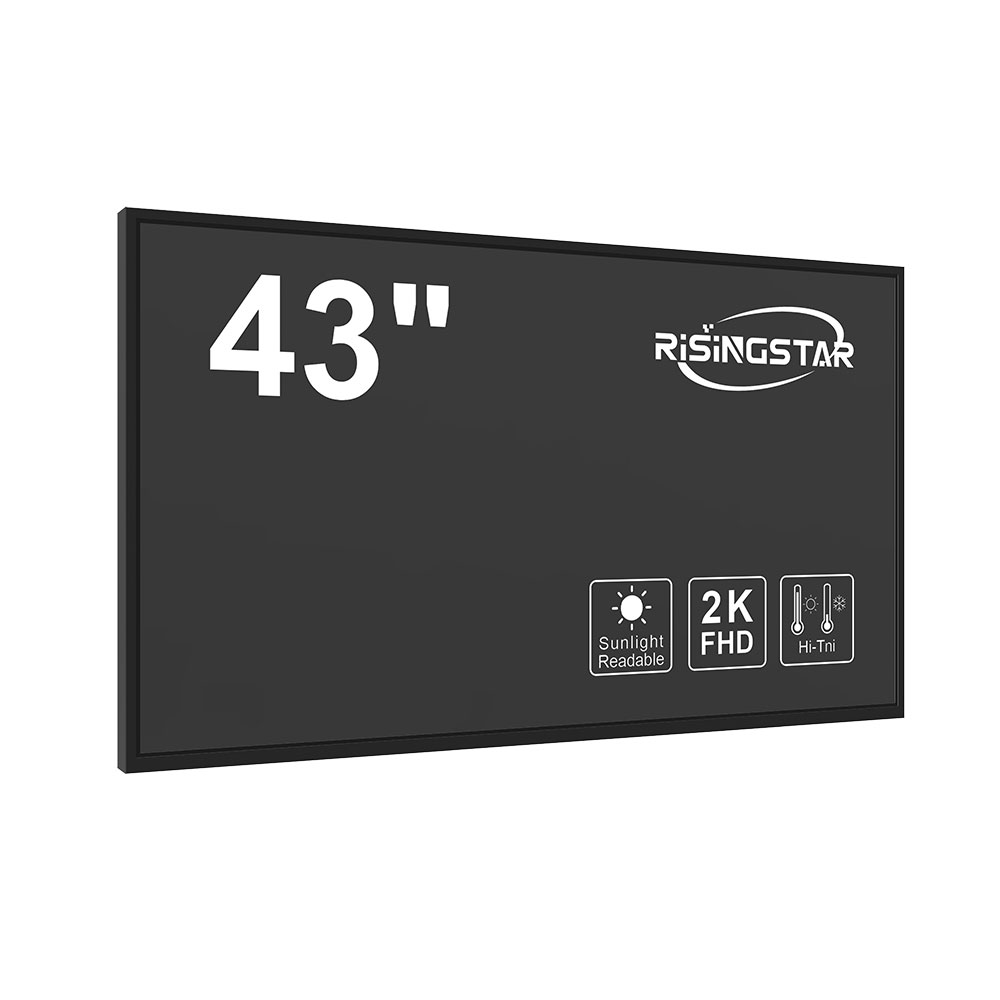
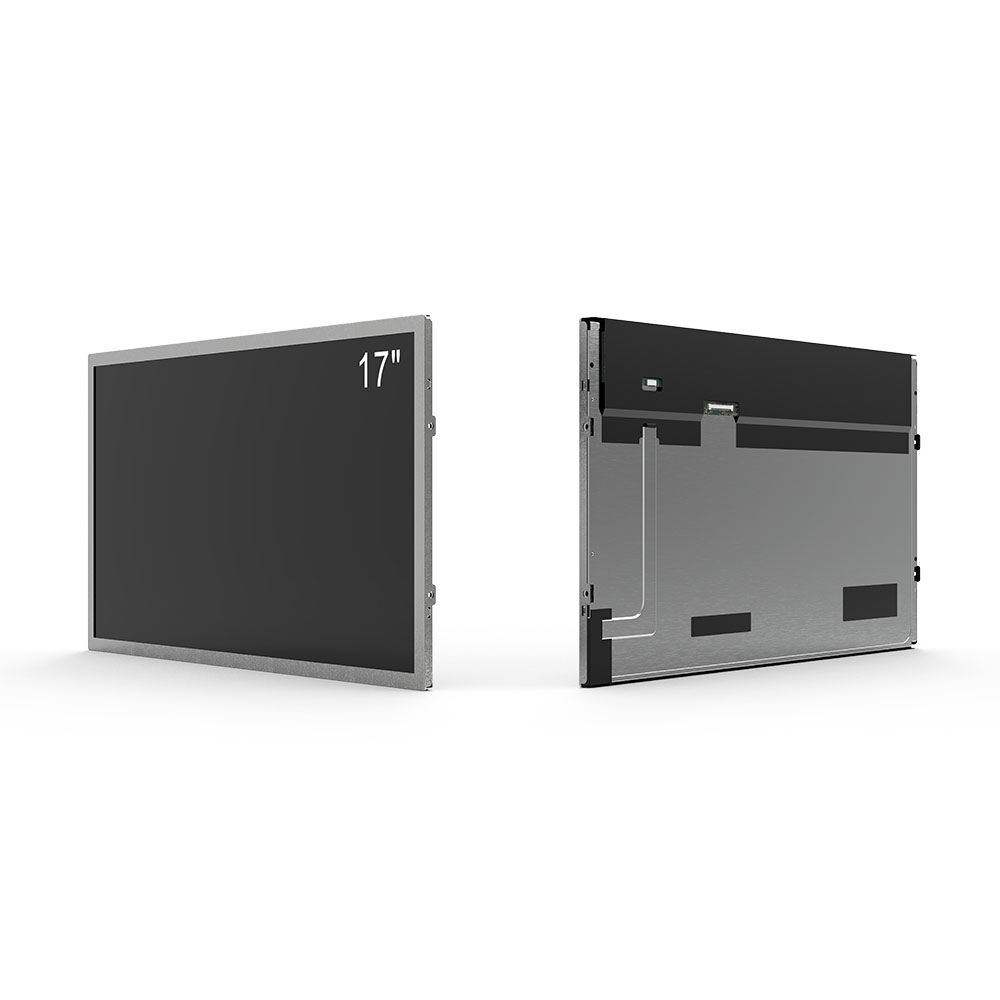
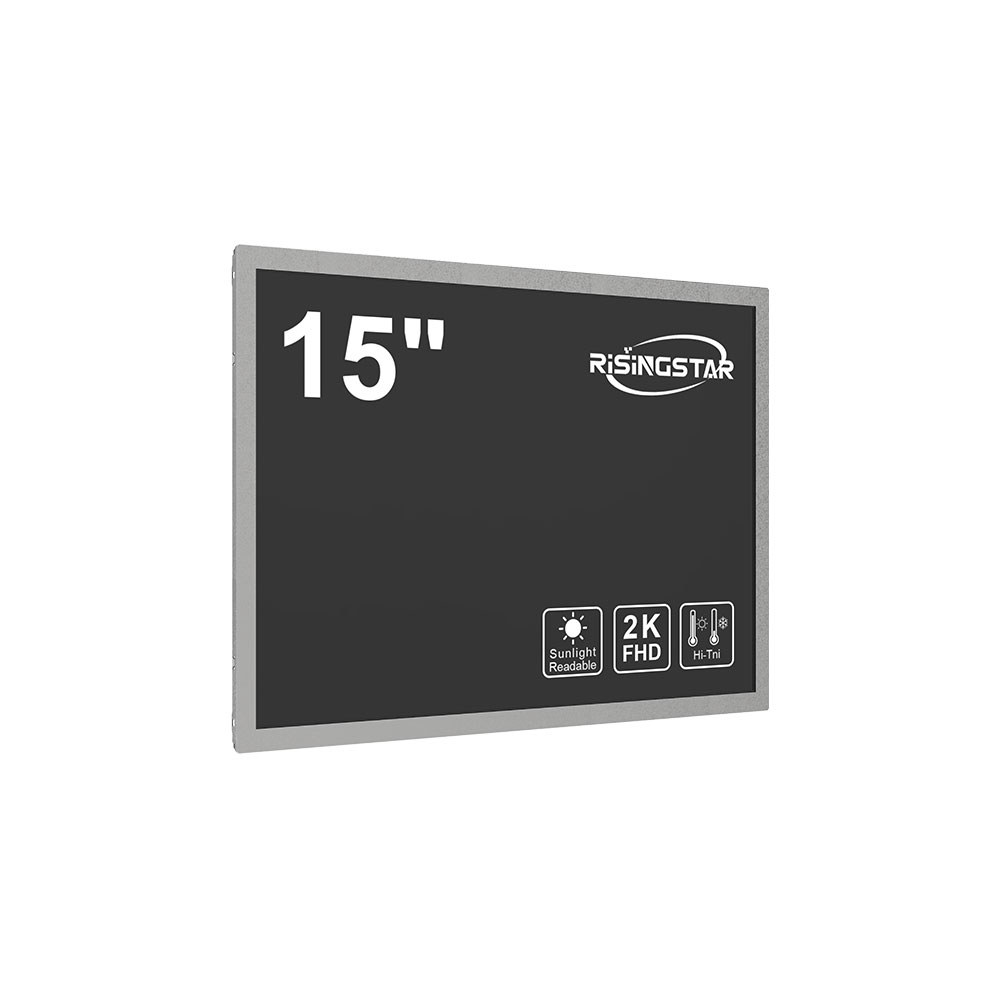
In the realm of industrial, military, and outdoor display applications, achieving optimal visibility under direct sunlight is no longer a luxury—it's a necessity. Modern high-brightness sunlight-readable LCD screens are engineered to deliver superior clarity and contrast even in extreme lighting conditions, and now with the added advantage of 2K and 4K resolution options, these displays are redefining user experience across demanding environments.
Sunlight-readable LCDs are not just about brightness—they’re about intelligent design. These screens typically feature brightness levels ranging from 3,000 to 5,000 nits, far exceeding standard indoor displays (which usually max out at 500 nits). This enhanced luminance ensures that content remains legible during full daylight, making them ideal for use in construction sites, maritime navigation systems, defense vehicles, and outdoor kiosks.
The integration of 2K (2560x1440) and 4K (3840x2160) resolutions into high-brightness LCD panels brings unprecedented detail and realism. For example, in a tactical military setting, a 4K sunlight-readable display can render radar imagery, terrain maps, and real-time video feeds with crystal-clear precision—even when mounted on an armored vehicle under midday sun. Similarly, in aviation or aerospace applications, pilots rely on high-resolution HUDs (Heads-Up Displays) that must remain readable in all lighting scenarios.
Manufacturers like LG, Samsung, and Innolux have pioneered OLED and LED-backlit LCD technologies tailored for extreme conditions. These panels often incorporate anti-glare coatings, wide viewing angles (up to 178°), and advanced polarization techniques such as IPS (In-Plane Switching) or VA (Vertical Alignment) to minimize reflections and maintain color accuracy. Moreover, ruggedized designs with IP65 or higher ingress protection ensure longevity in dusty, wet, or vibration-prone environments.
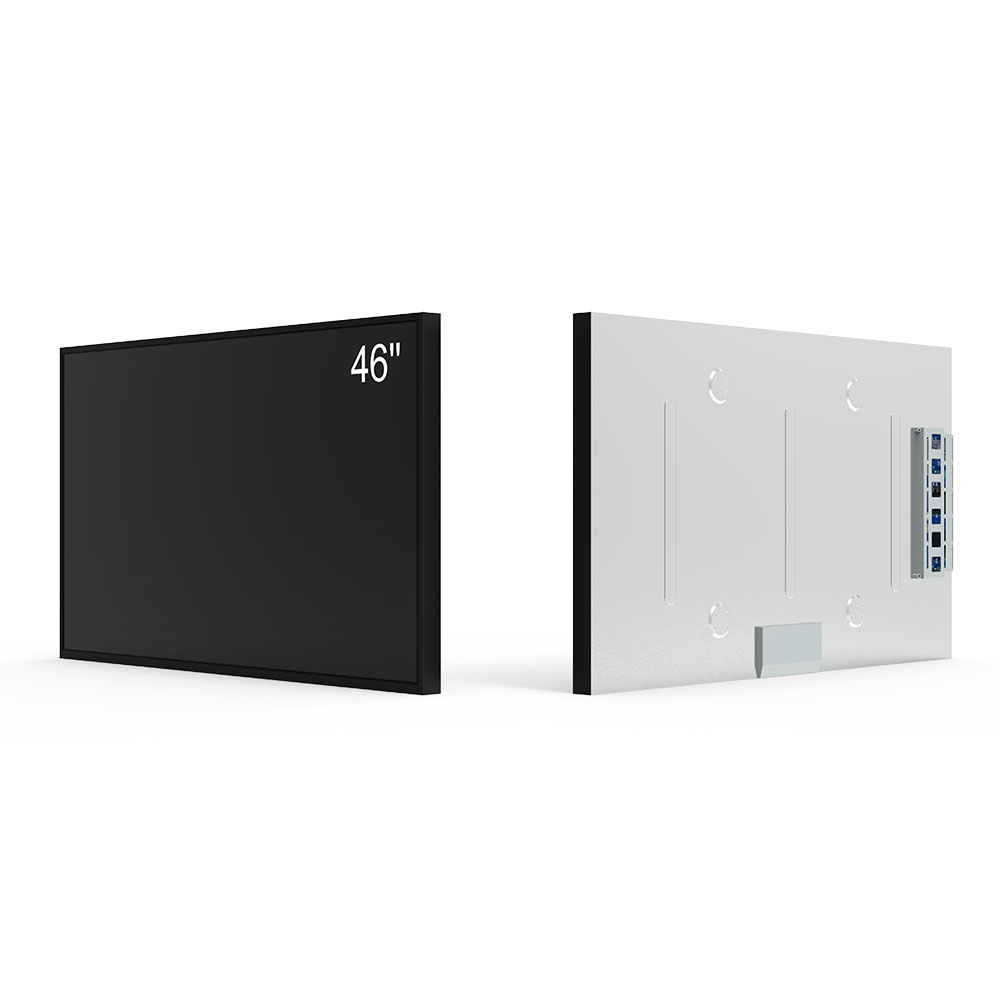
From a technical standpoint, achieving both high brightness and ultra-high resolution requires careful thermal management and power optimization. Engineers employ dynamic backlight dimming algorithms, efficient LED drivers, and low-power consumption panel architectures—ensuring performance without overheating or excessive energy draw. Industry standards like MIL-STD-810G for environmental resilience and ISO 9241-3 for human factors further validate the reliability of these displays.
As industries move toward digital transformation—especially in smart cities, autonomous vehicles, and IoT-enabled field operations—the demand for robust, high-resolution, sunlight-readable displays will only grow. With 2K and 4K options now standard in premium models, organizations can future-proof their systems while maintaining operational safety and efficiency.