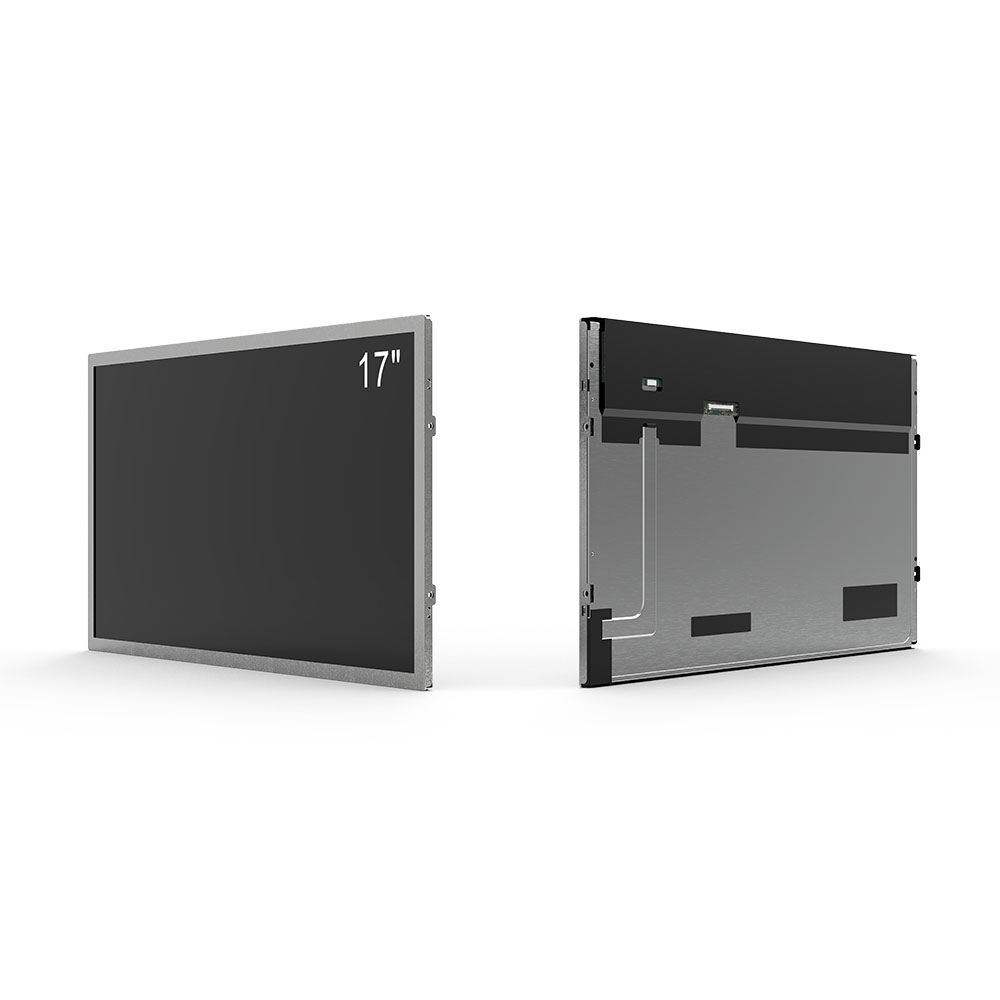
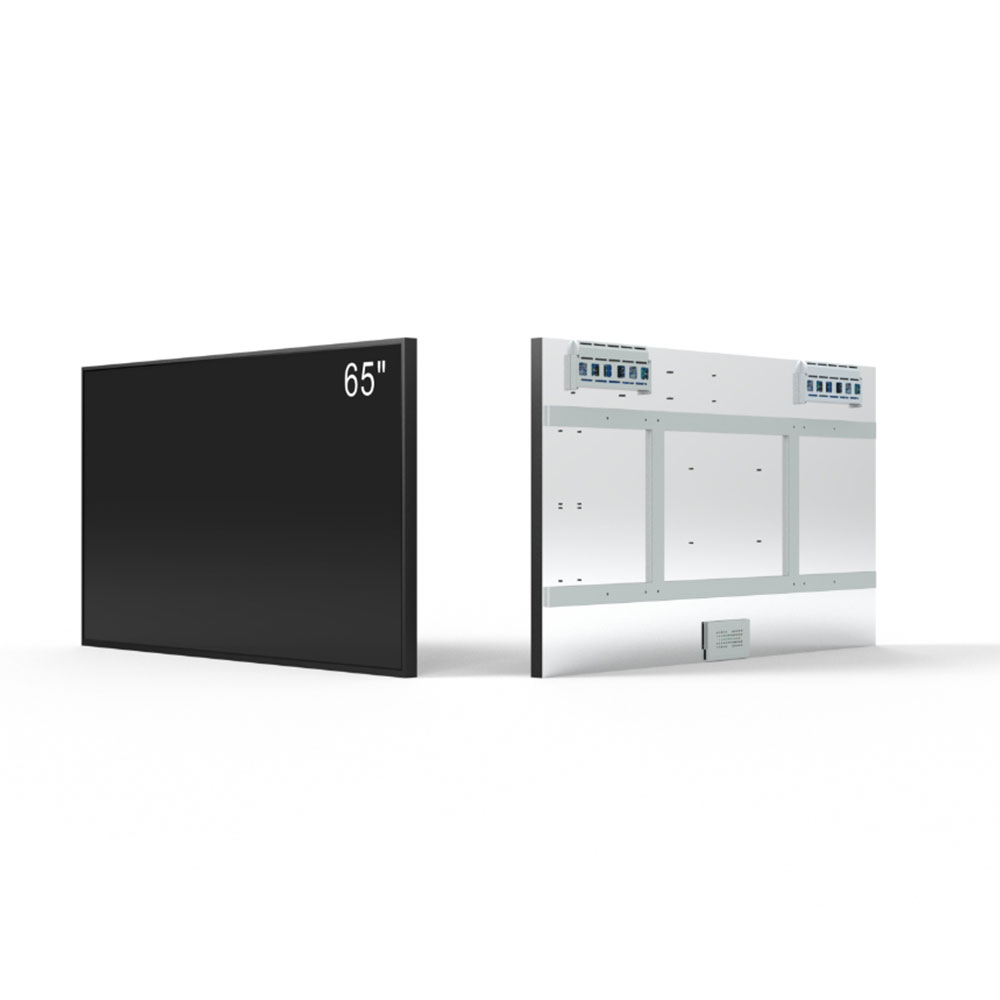
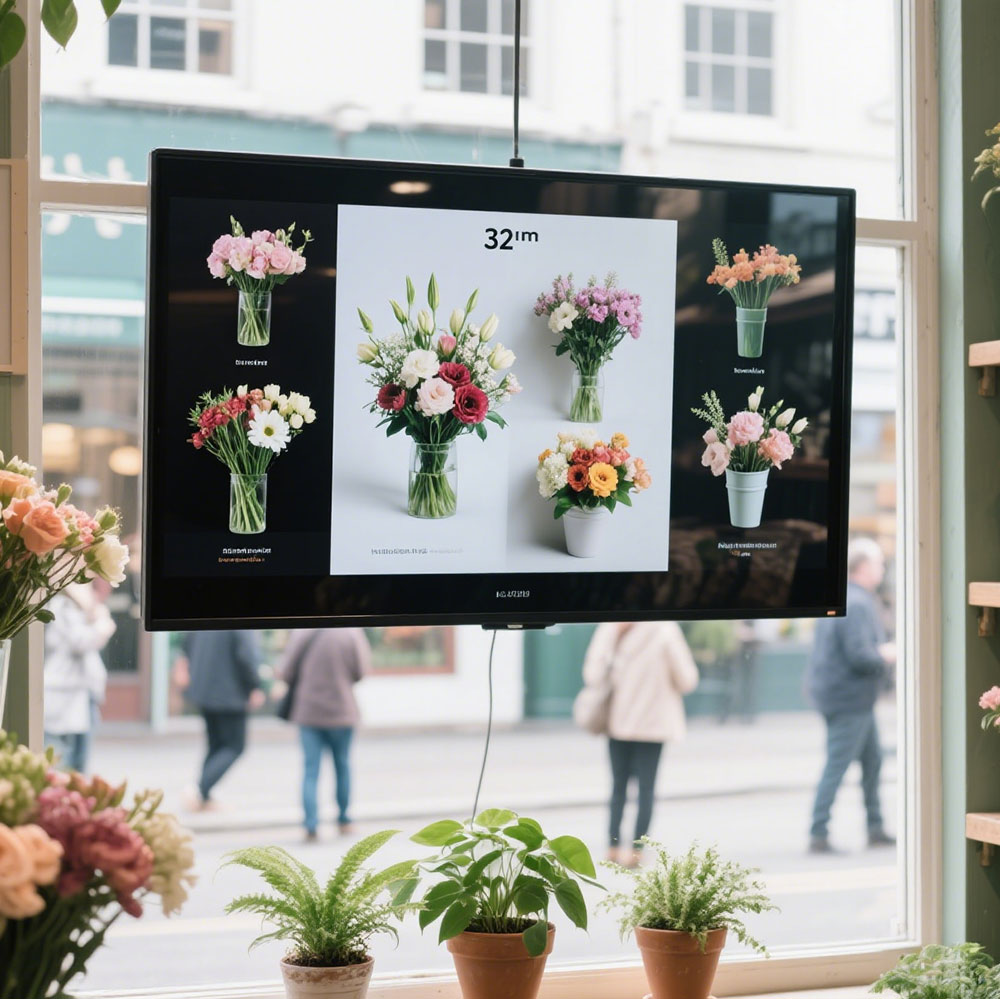
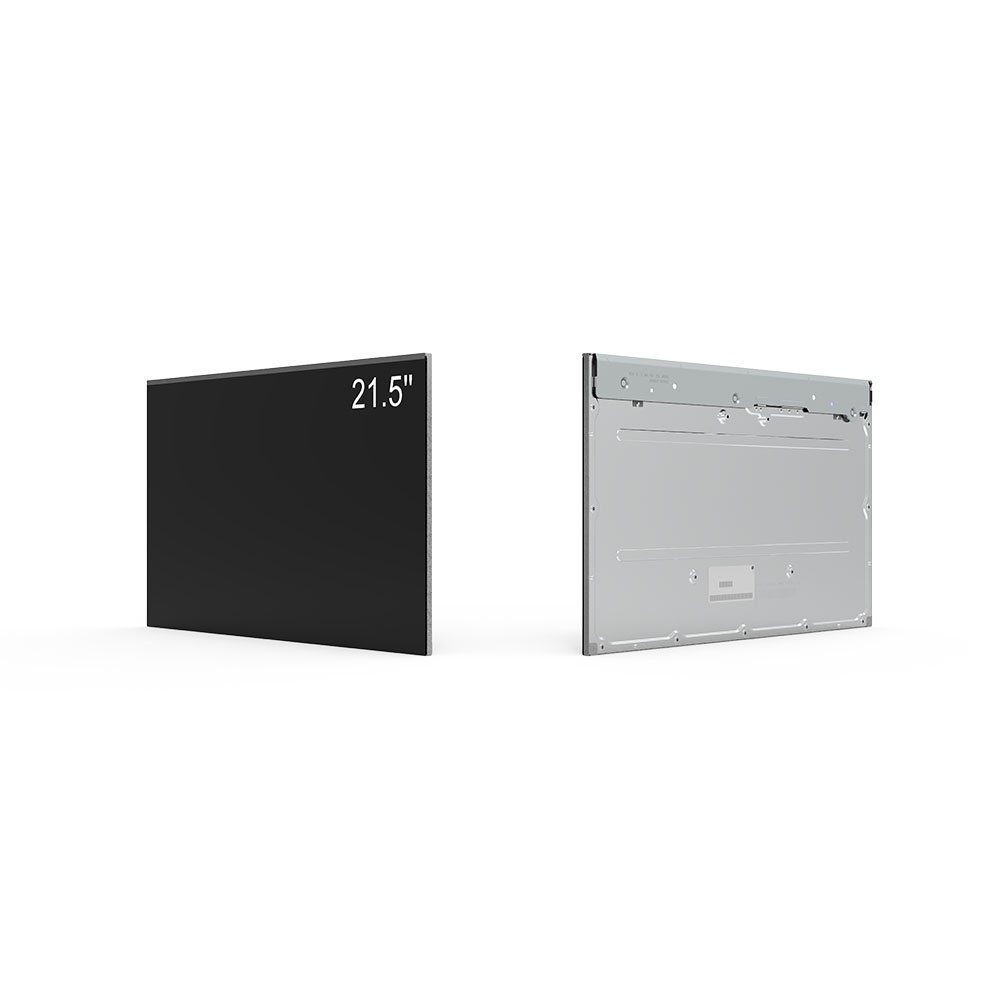
In today’s increasingly connected world, outdoor electronic displays are essential—from traffic signs and kiosks to military equipment and agricultural monitoring systems. However, the challenge lies in ensuring visibility under intense sunlight, where standard LCD screens fail due to low brightness and poor contrast. To meet this demand, engineers must design sunlight-readable high-brightness LCD screens that perform reliably in harsh environments.
The foundation of such displays begins with brightness optimization. Industry standards like ISO 9241-307 and MIL-STD-810G mandate that outdoor displays achieve at least 5000 nits of peak brightness to remain readable under direct sunlight (typically 100,000 lux). This is achieved using advanced backlight technologies—such as LED arrays with diffusers or quantum dot enhancements—that distribute light uniformly while minimizing power consumption. For example, industrial-grade LCDs used in solar farms often exceed 7000 nits, enabling clear visibility even at midday sun.
Another critical factor is contrast ratio, which must be optimized beyond standard 1000:1 ratios. High-brightness LCDs typically employ anti-glare coatings and polarized filters to reduce specular reflection. Some models integrate IPS (In-Plane Switching) or FFS (Fringe Field Switching) panels for wide viewing angles and consistent color reproduction, crucial for public-facing displays. A case study from a 2023 field test by DisplayMate Technologies confirmed that an IPS-based sunlight-readable screen maintained >3000:1 contrast in 95% of tested scenarios, outperforming TN-panel alternatives.
Environmental durability also plays a role. These screens must resist temperature extremes (-30°C to +70°C), humidity (up to 95% RH non-condensing), and physical shock. IP65 or higher ingress protection ensures dust and water resistance, while ruggedized housings with thermal management solutions prevent overheating. In defense applications, compliance with MIL-STD-810H for vibration and shock testing is mandatory—ensuring operational readiness in mobile command units.
Finally, smart features like ambient light sensors and adaptive brightness control enhance both usability and energy efficiency. These systems automatically adjust display intensity based on real-time lighting conditions, extending battery life in portable devices and reducing wear on components.
In conclusion, designing sunlight-readable high-brightness LCDs requires a multidisciplinary approach combining optical engineering, material science, and environmental resilience. By adhering to global standards and leveraging proven technologies, manufacturers can deliver reliable, long-lasting displays for any outdoor application—from urban infrastructure to remote field operations.