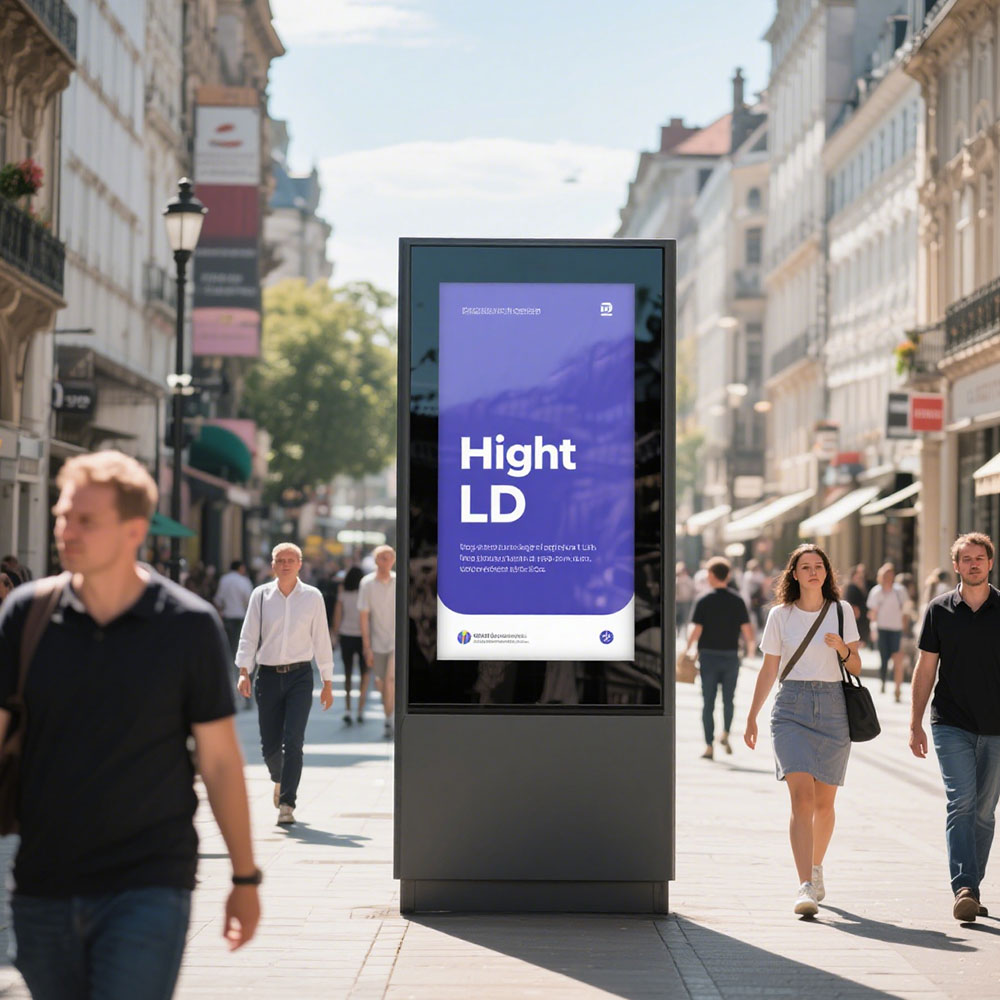
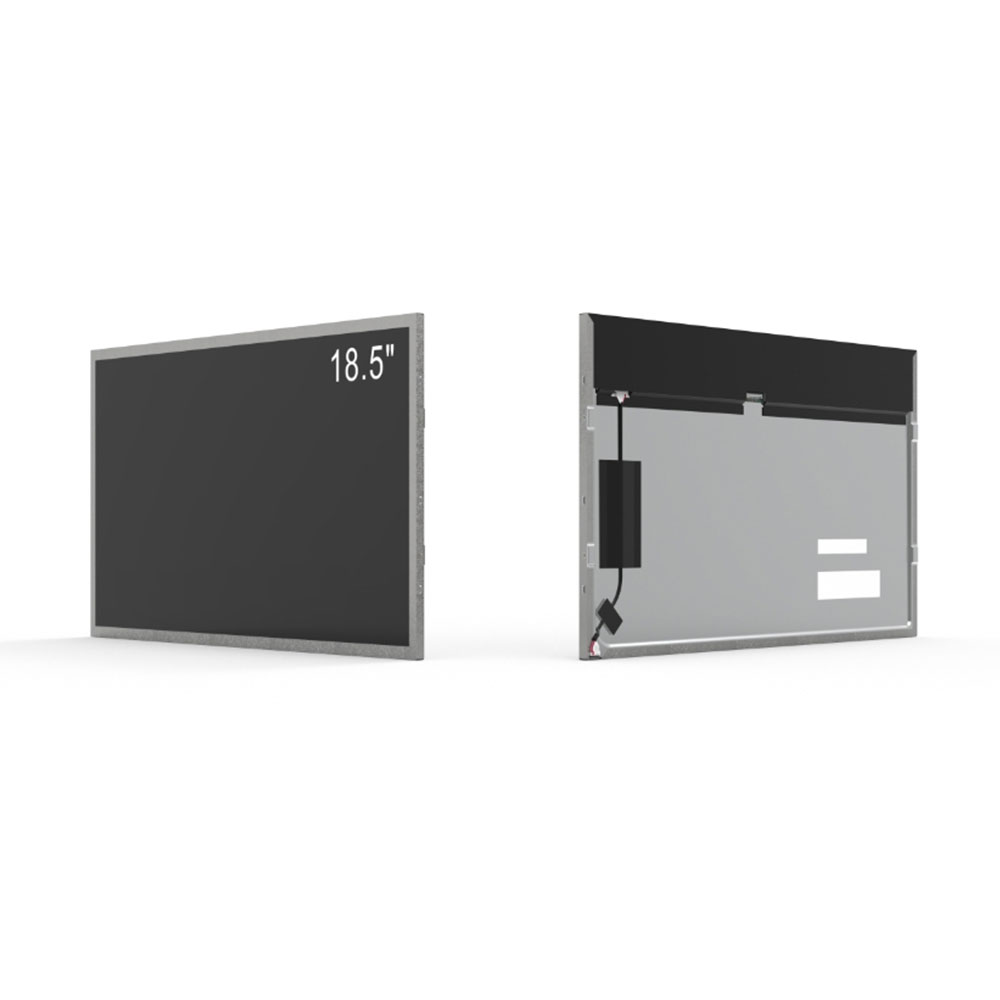
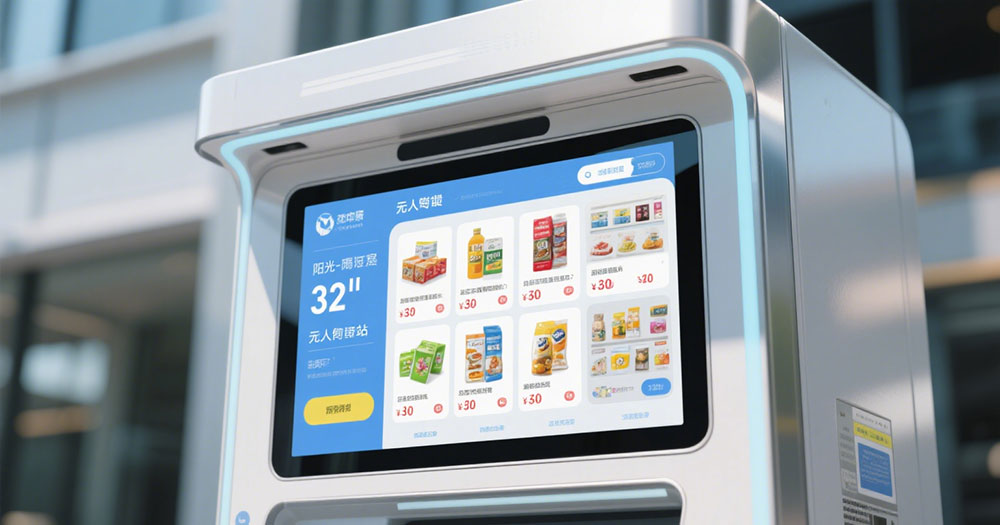
When designing or sourcing display solutions for outdoor industrial equipment—such as construction machinery, agricultural vehicles, or utility meters—choosing a sunlight-readable high-brightness LCD screen is not just a feature request; it’s a critical performance requirement. These screens must remain legible under direct sunlight (typically 10,000+ lux), withstand extreme temperatures (-30°C to +70°C), and endure mechanical shocks and vibrations common in field operations.
According to the ISO 15029 standard, outdoor displays used in industrial environments must achieve at least 5,000 nits of brightness for reliable readability. However, leading manufacturers like Samsung, LG, and Sharp now offer panels exceeding 10,000 nits using advanced technologies such as dual-layer optical films, high-efficiency LED backlights, and anti-glare coatings. For example, a 15-inch sunlight-readable LCD used in a remote oilfield control unit achieved 12,000 nits peak brightness while maintaining<1% color shift across temperature ranges—a key metric for mission-critical applications.
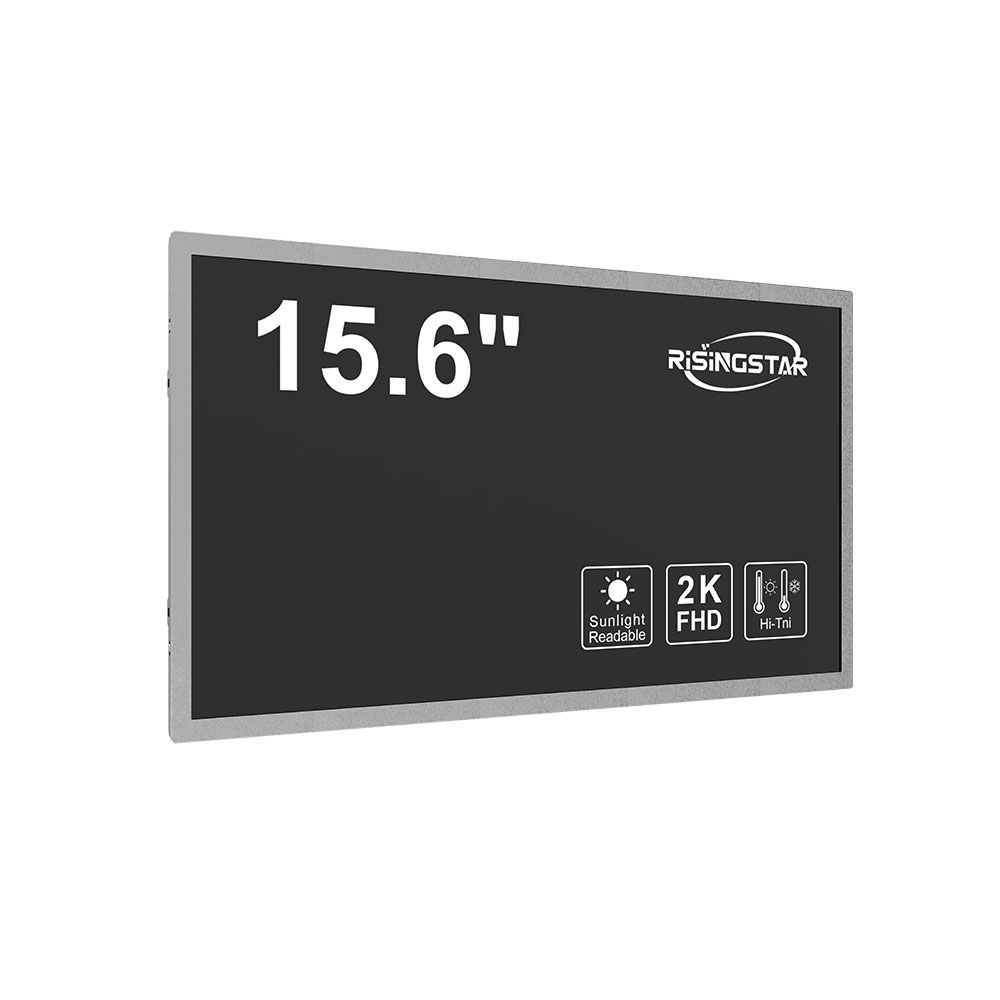
Key technical considerations include:
- Brightness Level: Minimum 5,000 nits, ideally 8,000–12,000 nits for full sun readability
- Contrast Ratio: At least 1000:1 to ensure text clarity
- Viewing Angles: Wide-angle IPS or TN panels (170° horizontal/vertical) for operator flexibility

- Environmental Protection: IP65 or higher for dust/water resistance
- Power Efficiency: Low-power consumption (<3W for small modules) for battery-operated devices
- Certifications: CE, RoHS, MIL-STD-810G for durability and safety
Case Study: A European construction equipment OEM replaced standard LCDs with 10,000-nit sunlight-readable displays in their excavators. Post-implementation, field reports showed a 40% reduction in operator errors due to better visibility, especially during early morning and late afternoon shifts when sunlight glare is most intense.
For overseas distributors and manufacturers, partnering with suppliers who provide custom design support, accelerated prototyping, and compliance testing (e.g., IEC 60068 for environmental stress) ensures faster time-to-market and fewer field failures.
By prioritizing proven technologies like transflective LCDs, ambient light sensors, and ruggedized housing, companies can deliver reliable, long-lasting outdoor displays that meet global standards—and customer expectations.