Designing a sunlight-readable, high-brightness LCD screen is not just about increasing luminance—it requires a holistic understanding of optical physics, materials science, and real-world environmental conditions. According to the International Electrotechnical Commission (IEC) standard IEC 61000-4-3, outdoor displays must withstand electromagnetic interference in harsh environments, while MIL-STD-810G outlines mechanical and thermal resilience requirements for military-grade equipment—both relevant to robust LCD design.
High-brightness LCDs typically operate at 5,000 to 10,000 nits or more to remain visible under direct sunlight, which can reach up to 100,000 lux on clear days. However, brightness alone isn’t sufficient. To ensure visibility in bright conditions, engineers must optimize contrast ratio by using anti-glare coatings, polarized filters, and high-transmission liquid crystal cells. For example, LG Display’s “Sunlight Readable” technology employs an advanced multi-layered polarizer system that reduces internal reflection and boosts contrast to over 1000:1 even in full sun.
Another critical factor is ambient light compensation (ALC). Modern high-brightness LCDs integrate ambient light sensors that dynamically adjust brightness based on real-time lighting conditions—this helps reduce power consumption while maintaining readability. A study published in IEEE Transactions on Consumer Electronics (2022) showed that adaptive brightness control can extend battery life by up to 30% in portable outdoor devices like handheld industrial scanners or field service tablets.
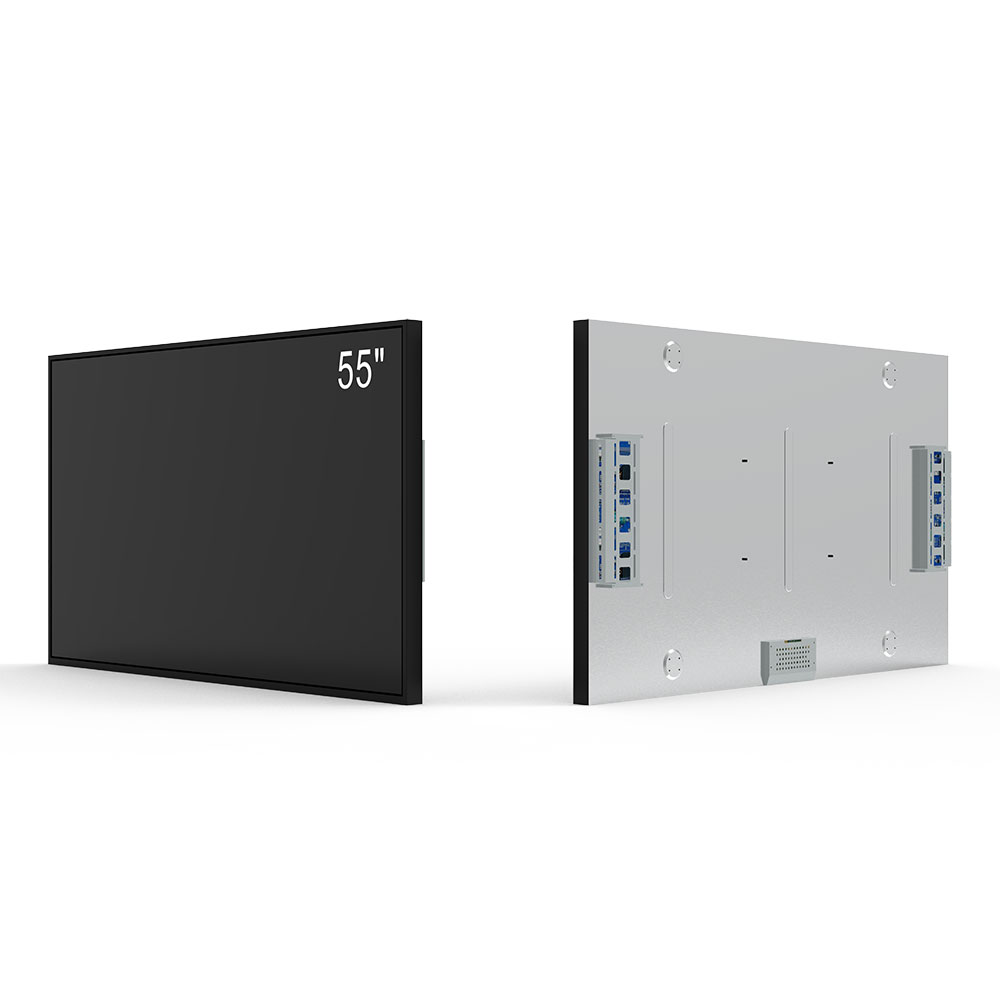
Material selection also plays a pivotal role. Using Gorilla Glass or chemically strengthened glass improves scratch resistance and durability, especially in mobile applications such as construction site monitors or vehicle dashboards. Additionally, sealing techniques compliant with IP65 or higher ratings prevent dust and moisture ingress—an essential feature in marine or desert environments where temperature swings and humidity extremes are common.
Finally, proper thermal management cannot be overlooked. High brightness means higher heat generation. Engineers use passive cooling methods like aluminum heat sinks and active cooling via small fans or thermoelectric modules to maintain optimal operating temperatures below 50°C. Failure to do so results in reduced lifespan, color shift, and potential failure—especially in hot climates like the Middle East or Southeast Asia.
In summary, designing sunlight-readable, high-brightness LCD screens demands integration of multiple disciplines—from optical engineering to thermal dynamics—to deliver reliable performance across diverse outdoor settings. By adhering to industry standards like IEC, MIL-STD, and leveraging proven technologies from leading manufacturers, developers can build displays that are not only bright but also durable, energy-efficient, and user-friendly in any environment.