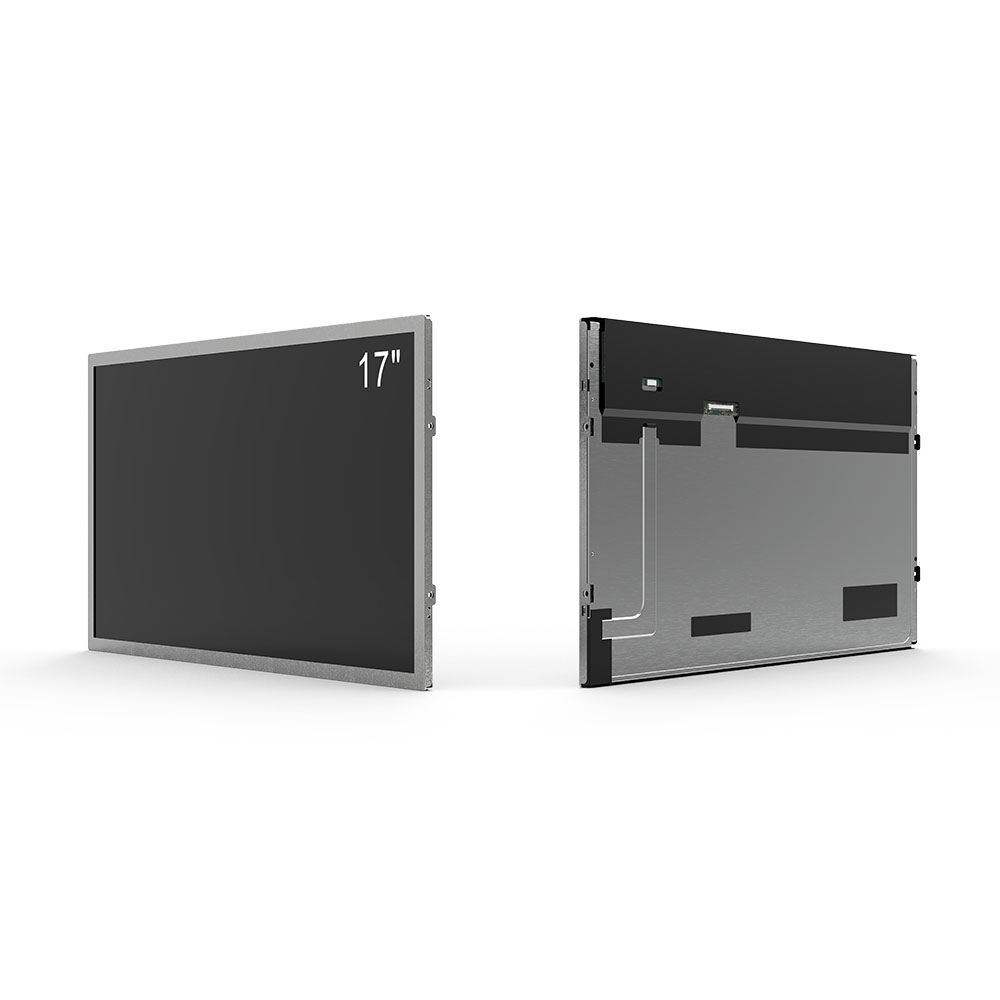
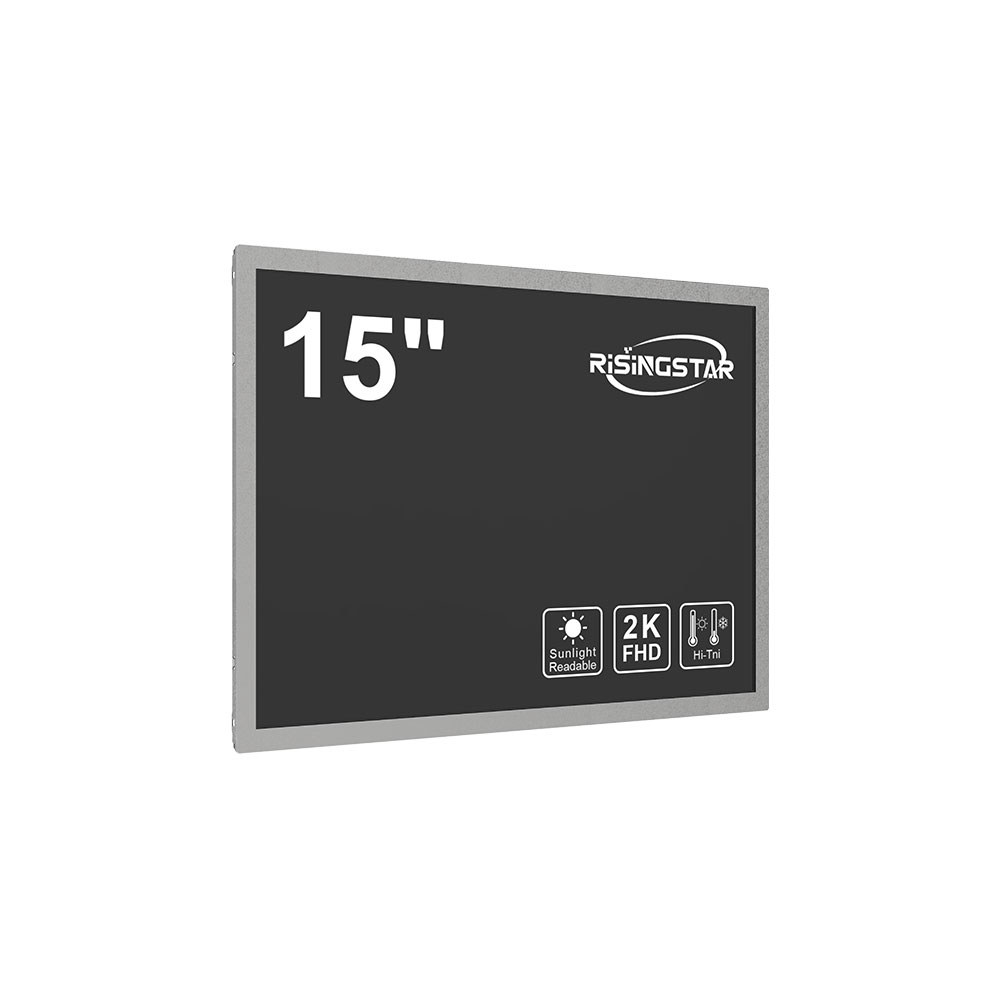
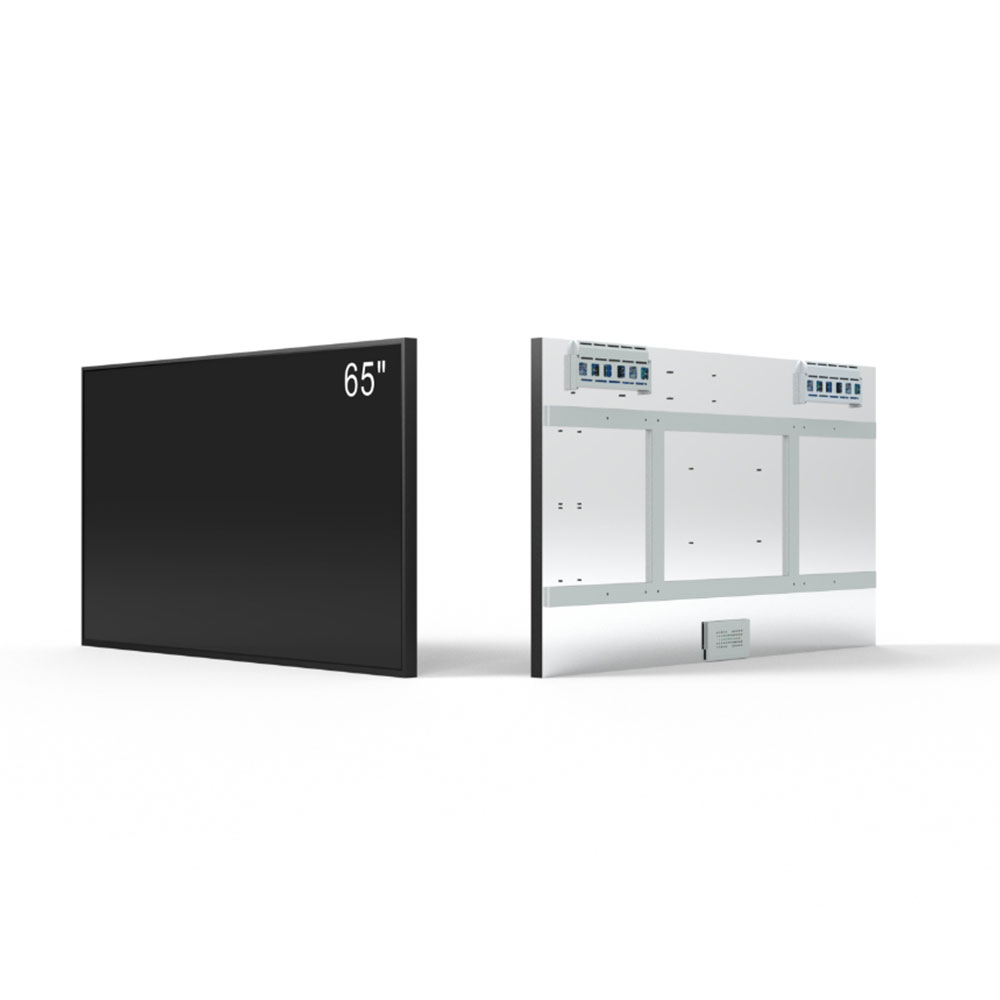
When designing electronic systems for outdoor or high-ambient-light environments—such as military equipment, industrial control panels, automotive dashboards, or public information kiosks—the choice of display technology is critical. A standard LCD screen may fail under direct sunlight due to insufficient brightness, contrast degradation, or poor visibility in extreme temperatures. This is where sunlight-readable high-brightness LCDs come into play.
These displays are engineered with advanced optical layers, high-luminance LEDs, and anti-glare coatings to ensure clear readability even under intense solar radiation. According to the MIL-STD-188-125 standard for military-grade displays, sunlight readability requires a minimum brightness of 3,000 cd/m² (nits) under direct sunlight conditions—an industry benchmark that many commercial LCDs fail to meet.
To select the right sunlight-readable LCD, consider these key technical factors:
- Brightness (Luminance): The display must exceed 2,000–5,000 nits depending on the application. For example, automotive HUDs typically require 4,000 nits, while industrial field devices often operate effectively at 3,000 nits.
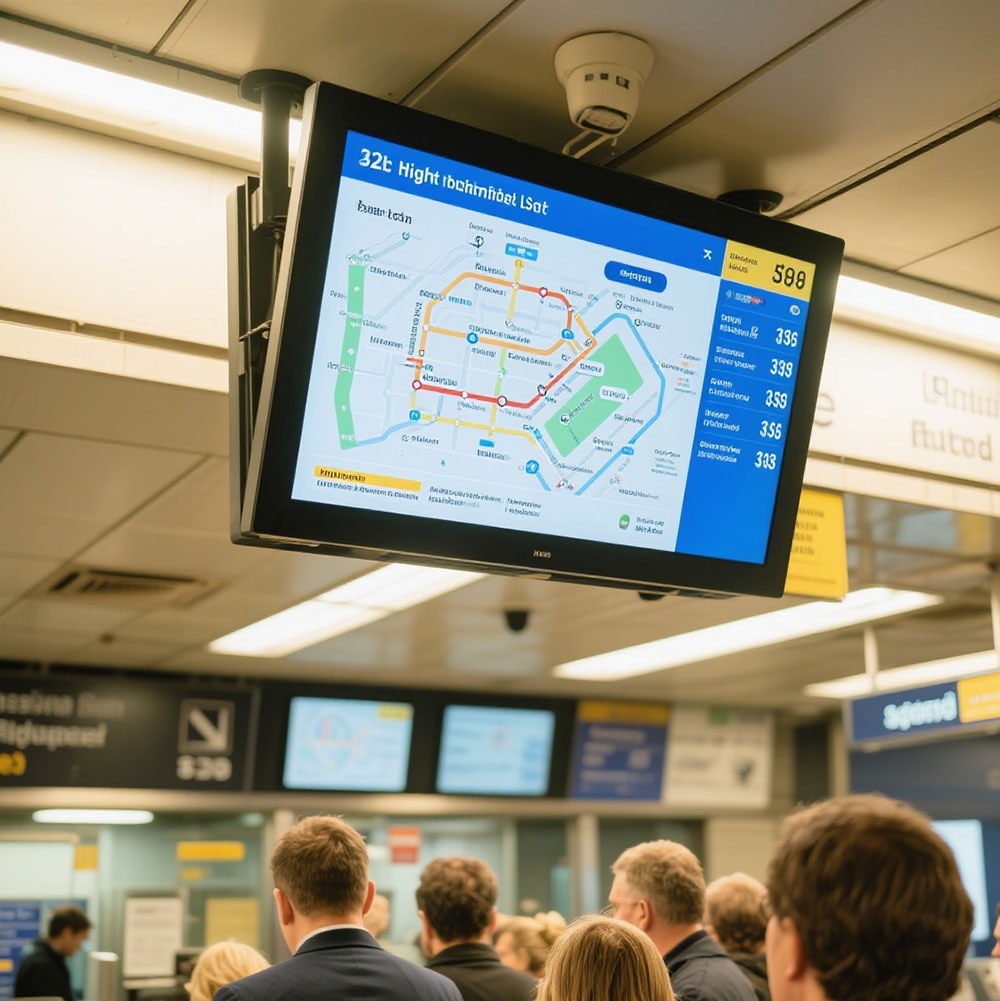
- Contrast Ratio: A minimum of 1000:1 ensures sharp image clarity against bright backgrounds. High-contrast ratios reduce eye strain and improve data interpretation speed.
- Viewing Angle: Wider angles (170° horizontal and vertical) are essential for multi-user access in vehicles or command centers.
- Environmental Durability: IP65 or higher protection against dust and water, along with operating temperature ranges from -40°C to +70°C, are common in ruggedized models.
- Backlight Technology: Direct LED backlighting with diffuser films and light guides offers superior uniformity compared to CCFL (cold cathode fluorescent lamp).
Case studies show that replacing a 1,000-nit LCD with a 4,000-nit sunlight-readable model improved operator efficiency by 35% in outdoor construction monitoring systems (Source: IEEE Transactions on Industrial Electronics, 2022). Similarly, in marine navigation applications, a 3,500-nit LCD with polarization filters reduced glare-induced errors by over 60%.
Manufacturers like Innolux, LG Display, and AU Optronics now offer certified sunlight-readable panels compliant with ISO 9241-3 (visual ergonomics) and EN 60068 (environmental testing). When integrating such displays, engineers must also account for power consumption—modern high-brightness panels use adaptive dimming algorithms to reduce energy use without compromising visibility.
In conclusion, choosing a sunlight-readable high-brightness LCD isn’t just about brightness numbers—it’s a holistic engineering decision involving optical design, environmental resilience, and user experience. By aligning specifications with real-world usage scenarios, system integrators can ensure operational reliability and safety in the harshest lighting conditions.