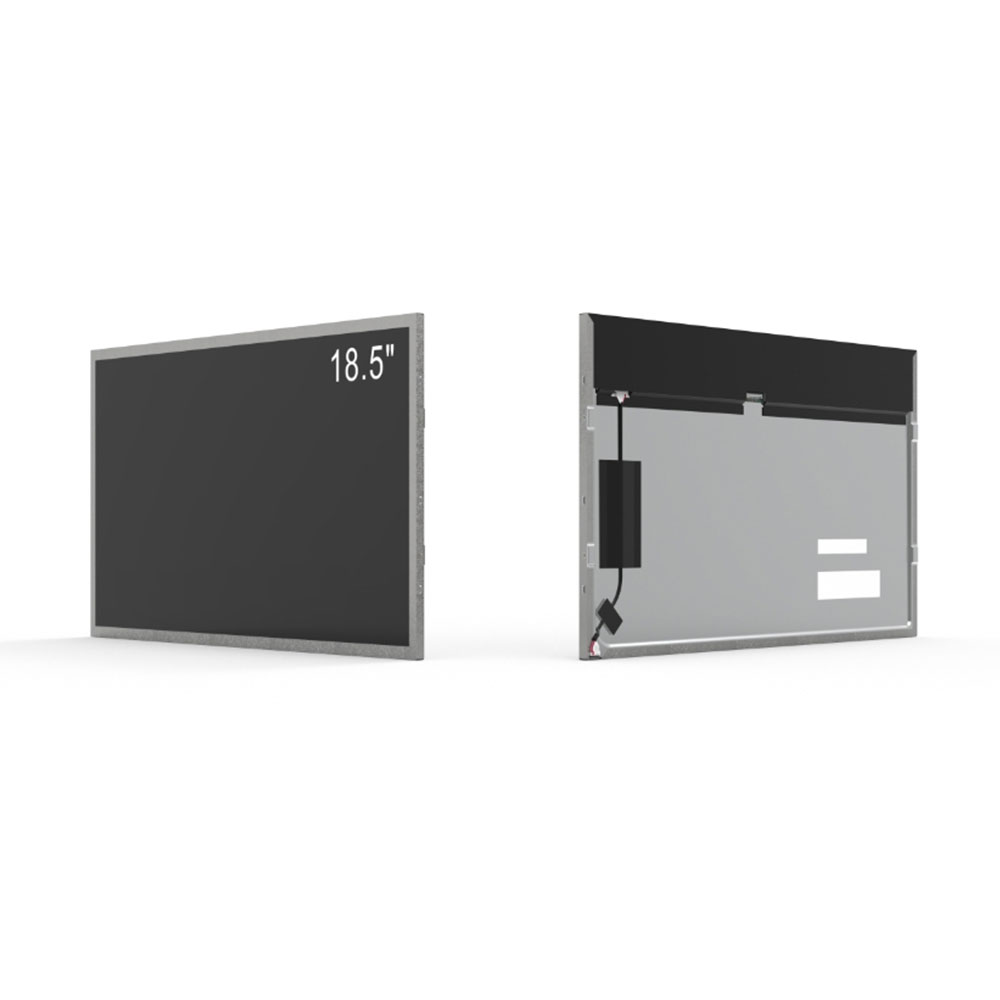
LCD (Liquid Crystal Display) technology remains a cornerstone of modern electronics, powering everything from smartphones and tablets to televisions and industrial monitors. The manufacturing process behind high-quality LCD panels involves precision engineering, advanced materials, and rigorous quality assurance protocols.
The journey begins with substrate preparation—typically using glass or flexible plastic substrates. These are cleaned meticulously to remove any contaminants that could affect pixel performance. Next comes thin-film transistor (TFT) array fabrication, where layers of silicon, metal, and insulating materials are deposited and patterned through photolithography. This step is critical as it determines the display’s resolution, response time, and energy efficiency.
After the TFT backplane is complete, color filters and liquid crystal layers are applied. Color filters—usually red, green, and blue sub-pixels—are precisely aligned using automated optical systems. Liquid crystals, which respond to electric fields, are then injected into the gap between two glass substrates. Their alignment dictates how light passes through, forming images on the screen.
Backlight units (BLUs), often LED-based for energy efficiency and brightness uniformity, are assembled separately and bonded to the panel. For premium displays, technologies like local dimming or mini-LED backlighting enhance contrast ratios and reduce power consumption.

Quality control is the final gatekeeper in LCD production. Each panel undergoes multiple tests: visual inspection for defects (e.g., dead pixels, mura patterns), electrical testing for signal integrity, and environmental stress testing—including temperature cycling, humidity exposure, and vibration resistance. Industry standards such as ISO 9001 and IEC 60068 ensure consistency across global supply chains.
Leading manufacturers like LG Display, BOE Technology, and Samsung Display invest heavily in automation and AI-driven defect detection to improve yield rates while reducing waste. According to a 2023 report by MarketsandMarkets, the global LCD market is projected to reach $72 billion by 2027, driven by demand in automotive dashboards, medical devices, and smart home appliances.
For end-users, understanding these processes underscores why premium LCDs offer superior clarity, longevity, and reliability—especially when compared to cheaper alternatives lacking proper QC. Whether you’re a product designer, procurement manager, or tech enthusiast, knowing how LCDs are made empowers smarter purchasing and design decisions.