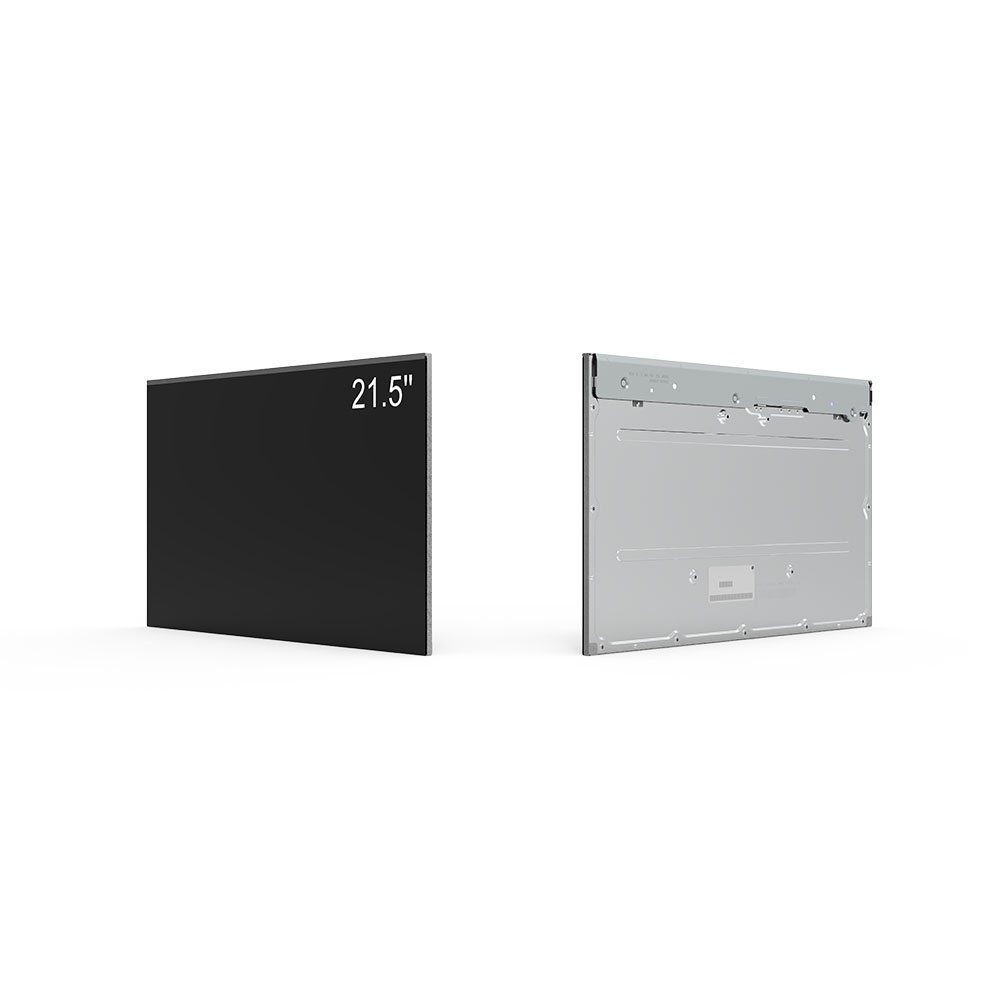
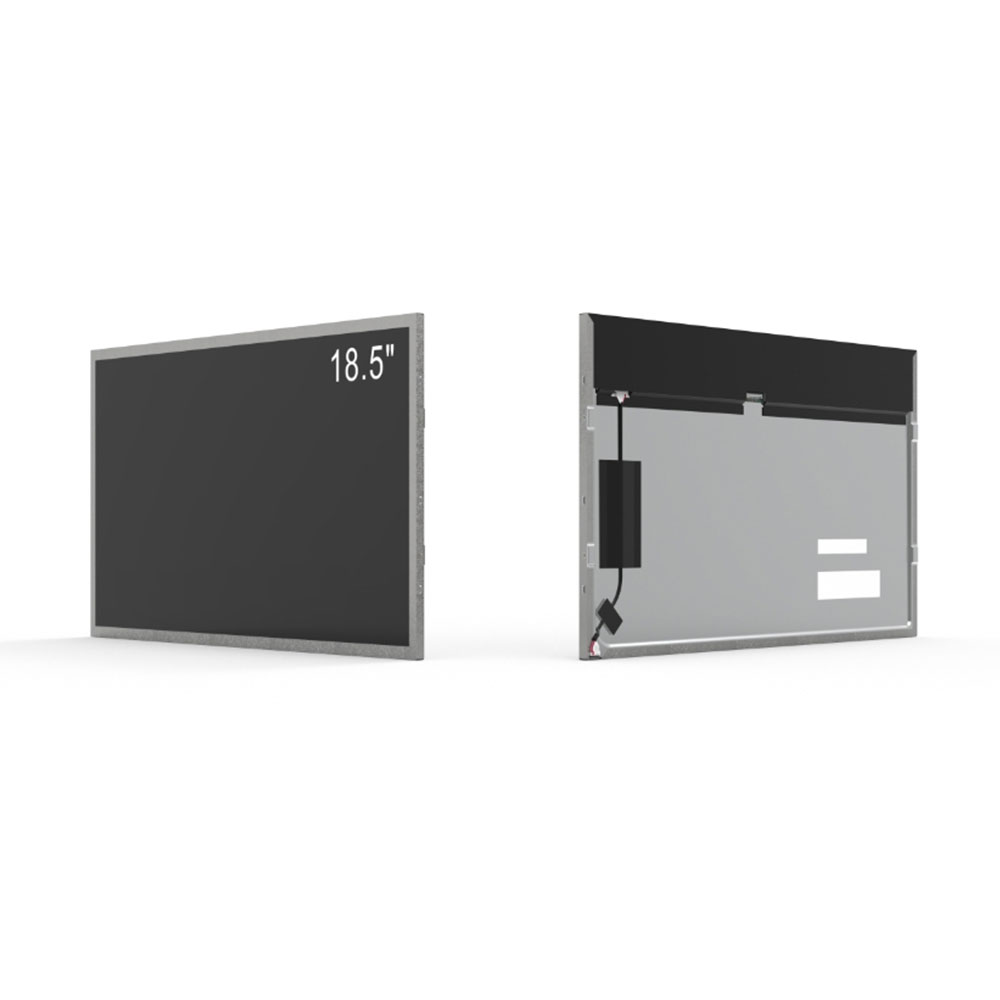
Choosing the right LCD panel for your display application—whether it's for consumer electronics, industrial control systems, or medical devices—is critical to performance, reliability, and cost-efficiency. LCD technology remains dominant in many markets due to its energy efficiency, high resolution, and affordability compared to OLED or microLED alternatives.
Practical applications span from smartphones and automotive dashboards to digital signage and medical imaging monitors. In automotive displays, for instance, manufacturers prioritize panels with wide temperature tolerance (from -30°C to 70°C), high brightness (>1000 nits), and low power consumption. Industrial-grade panels often require ruggedized designs, extended operating life (>50,000 hours), and compliance with standards like IP65 for dust and water resistance.
One major advantage of LCDs is their mature manufacturing ecosystem—leading to consistent quality and lower production costs. For example, IPS (In-Plane Switching) panels offer superior color accuracy and viewing angles, making them ideal for graphic design workstations. TN (Twisted Nematic) panels are still used in budget-friendly gaming monitors due to their fast response times (<1ms). Meanwhile, VA (Vertical Alignment) panels strike a balance between contrast ratio and cost, commonly found in home entertainment screens.
However, common problems persist. One frequent issue is backlight bleed, especially in thin-panel designs where uniform lighting is hard to maintain. Another challenge is aging-related color shift—particularly noticeable in high-brightness applications like outdoor kiosks. Recent advancements address these through local dimming technologies and improved LED driver circuits that enhance longevity and reduce uneven illumination.
The latest trends include the adoption of Mini-LED backlights for enhanced contrast and HDR support, as seen in Apple’s Pro Display XDR and Samsung’s Neo QLED series. Additionally, transparent LCDs are gaining traction in retail and AR/VR applications, offering innovative ways to blend digital content with real-world environments. According to a 2024 report by MarketsandMarkets, the global LCD market is projected to reach $68 billion by 2027, driven by demand in automotive, healthcare, and smart home sectors.
For engineers and procurement managers, understanding panel specifications such as response time, contrast ratio, viewing angle, and environmental resilience is essential. Partnering with certified suppliers and conducting real-world testing under expected conditions ensures long-term performance and minimizes field failures.