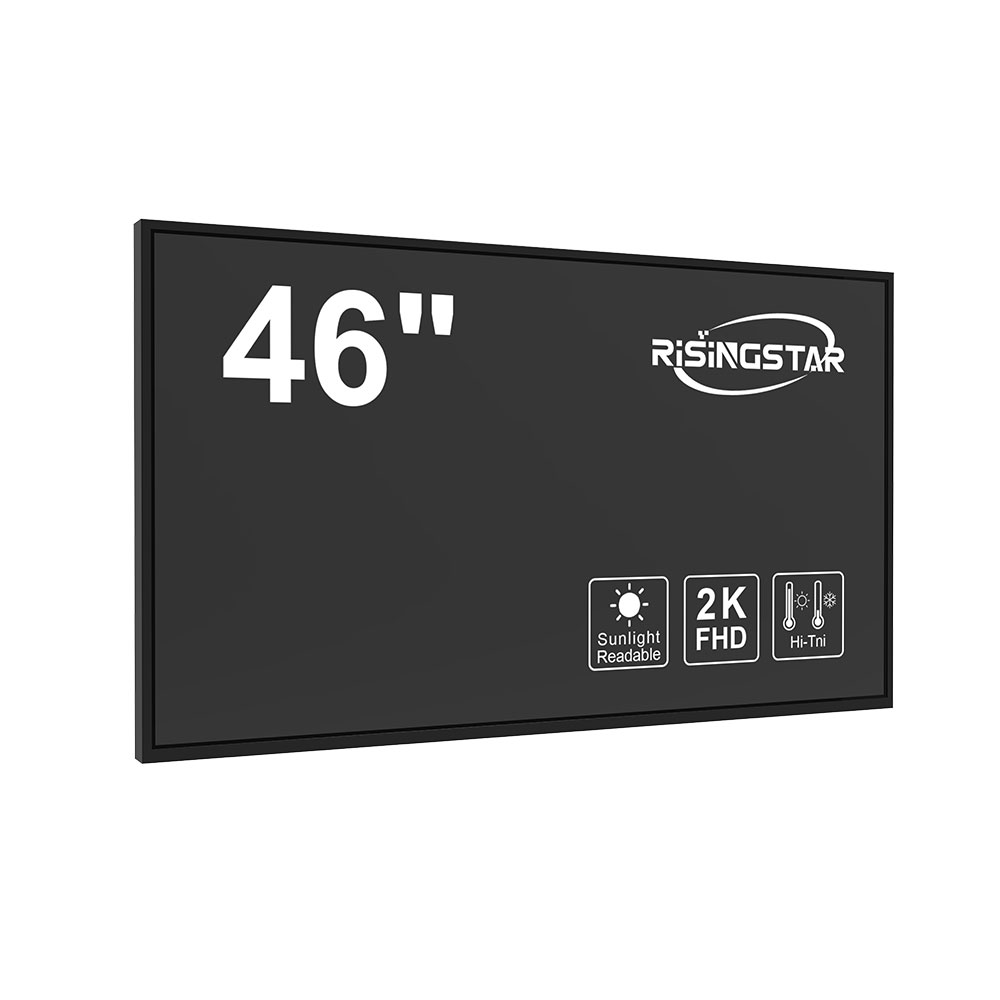
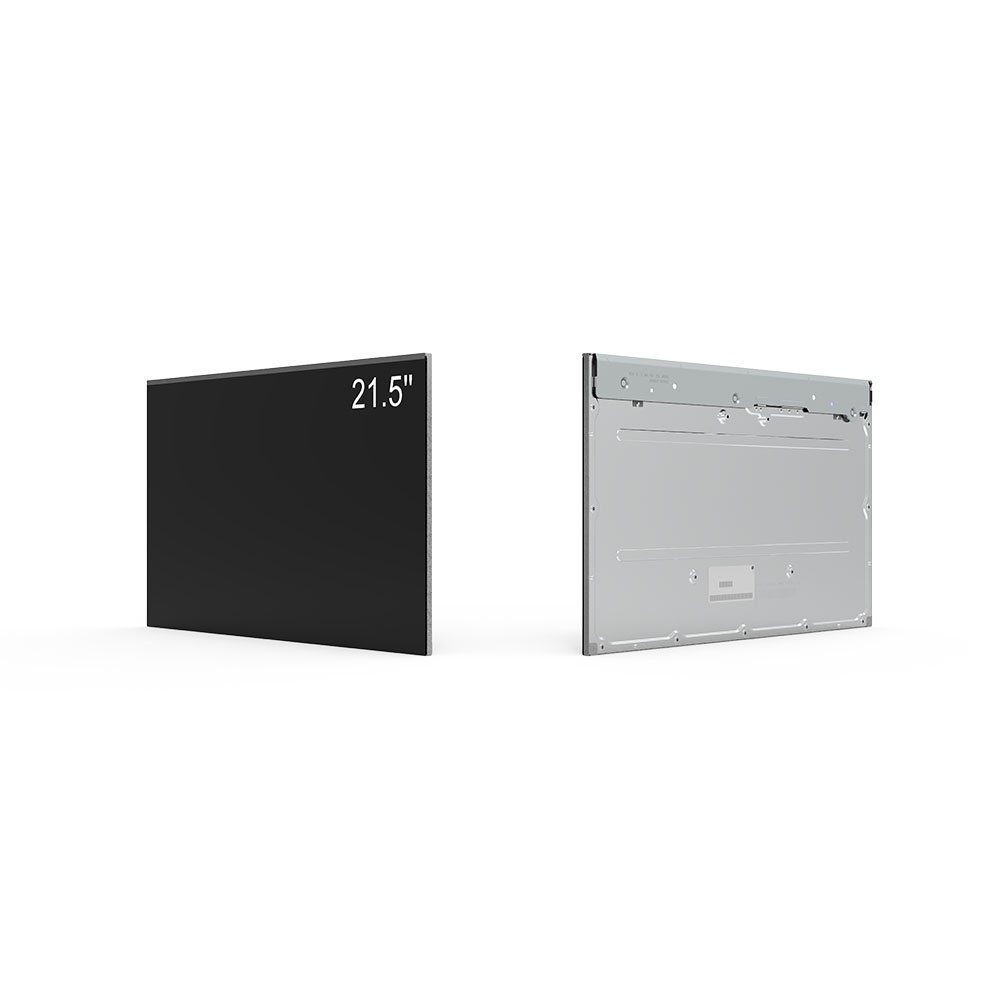
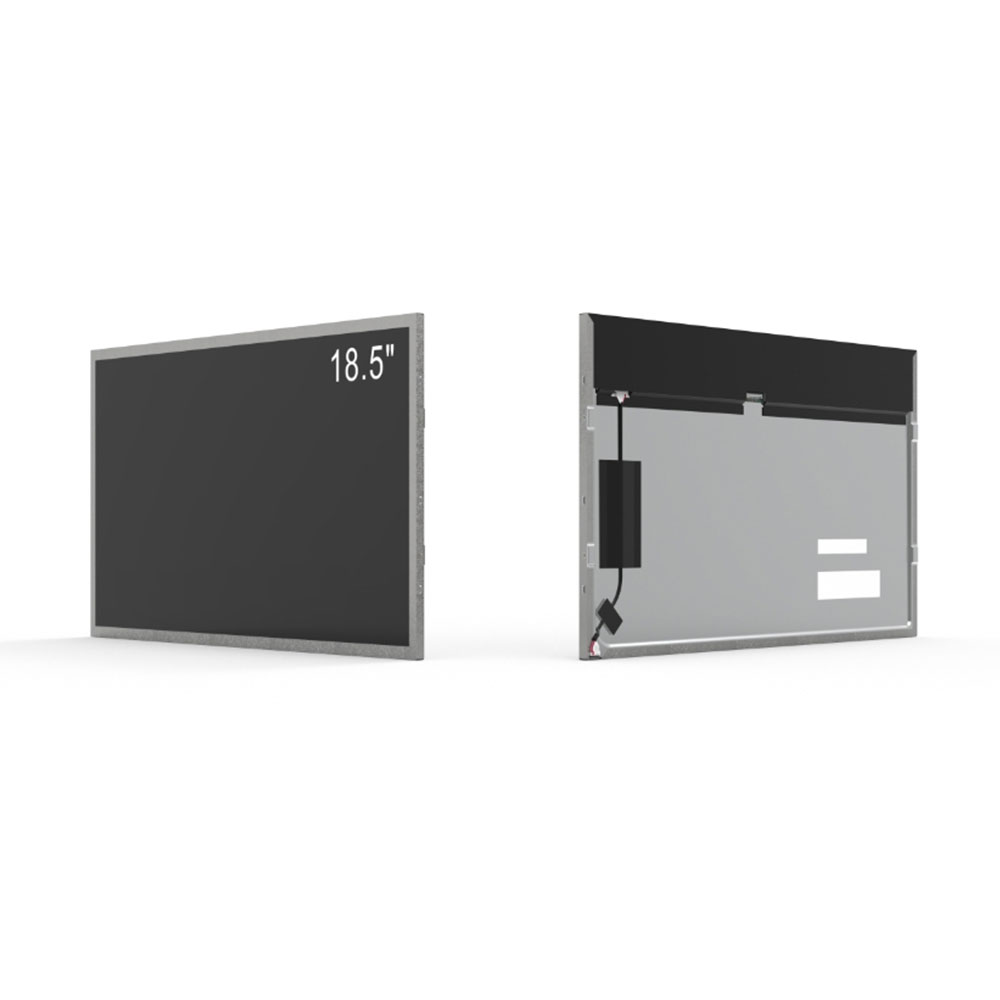
When selecting an LCD display for industrial applications, it's essential to consider not only brightness and resolution but also environmental durability, power efficiency, and long-term reliability. Unlike consumer-grade displays, industrial LCDs must operate under extreme conditions such as high temperatures, humidity, dust, and vibration—common in manufacturing plants, outdoor kiosks, or automotive systems.
One of the most practical applications is in factory automation, where LCD panels serve as control interfaces for CNC machines and robotic arms. These displays often use ruggedized designs with wide temperature ranges (from -30°C to +70°C) and anti-glare coatings to maintain visibility under harsh lighting. A leading example is the 12.1-inch resistive touch LCD used in Siemens PLC systems, which supports multi-touch gestures while resisting moisture ingress (IP65 rating).
The advantages of modern industrial LCDs include energy savings through LED backlighting and adaptive brightness control, reducing total cost of ownership by up to 30% over a five-year period. They also support wide viewing angles (up to 178°), making them ideal for collaborative workspaces or mobile equipment like forklifts.
Common problems include premature pixel degradation due to poor thermal management or inconsistent voltage supply—a frequent issue in older models. Another challenge is limited compatibility with legacy industrial protocols such as RS-485 or CAN bus. To mitigate this, manufacturers now integrate built-in gateways that allow seamless communication between legacy systems and newer IoT-enabled displays.
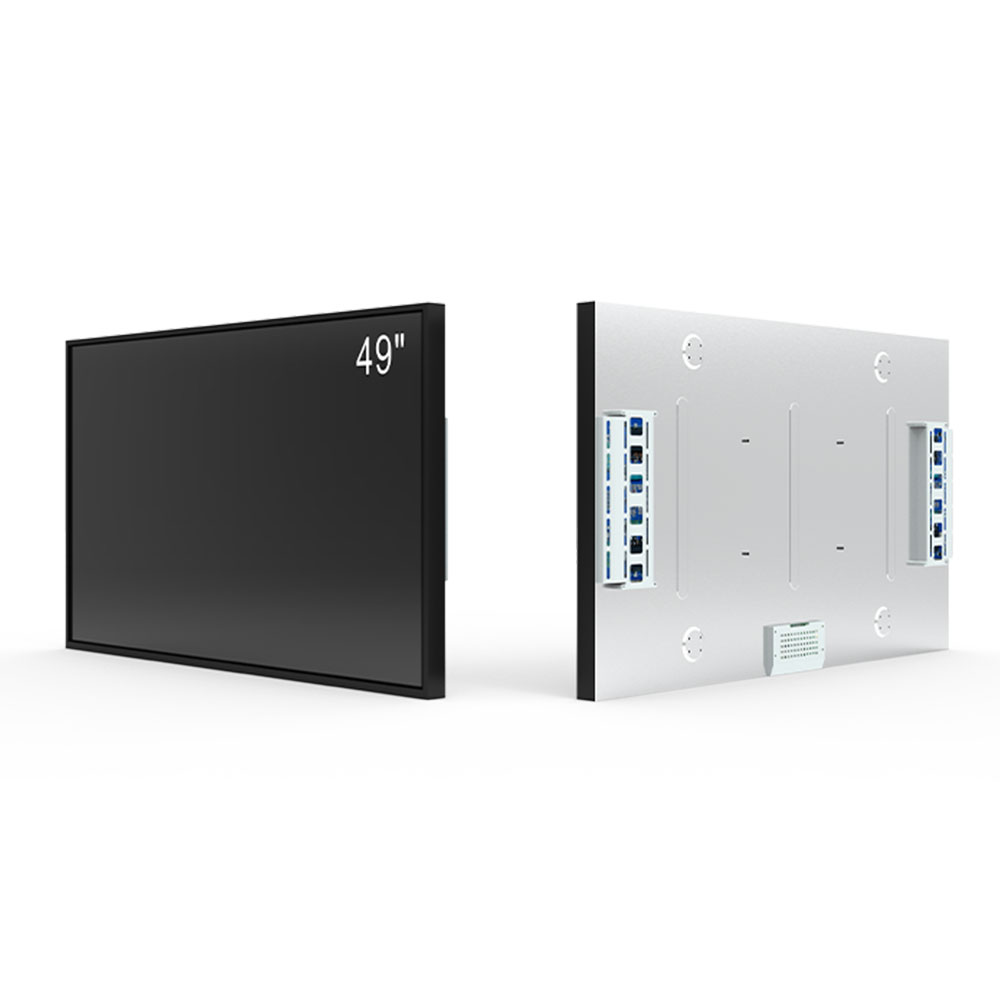
Recent trends show a shift toward AI-enhanced displays that offer predictive maintenance alerts based on screen performance metrics. For instance, Sharp’s latest industrial LCD series uses machine learning algorithms to detect early signs of backlight failure or touch responsiveness issues. Additionally, OLED-based industrial displays are gaining traction due to their superior contrast ratios and faster response times—though they remain more expensive than traditional LCDs.
Whether you're designing a new control panel or upgrading existing equipment, choosing the right industrial LCD means balancing technical specs with real-world operational demands. With advancements in materials science and embedded intelligence, today’s industrial displays deliver both robustness and smart functionality—an indispensable tool for Industry 4.0.