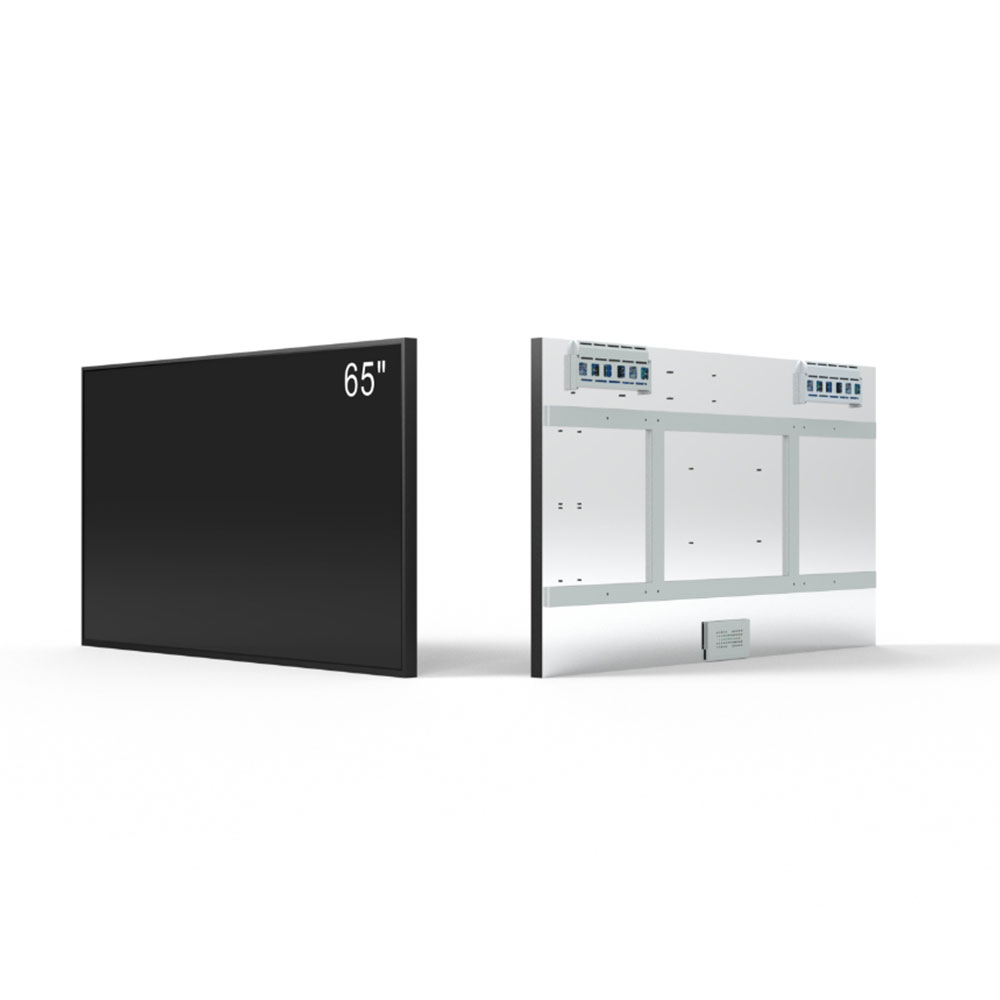
In the evolving landscape of display technology, the 4:3 aspect ratio remains a critical standard in specific professional and legacy applications—particularly in industrial control systems, medical imaging, and older computer workstations. While modern screens have largely adopted widescreen formats like 16:9 or 16:10, 4:3 displays continue to offer distinct advantages in terms of compatibility, pixel density, and vertical space utilization.
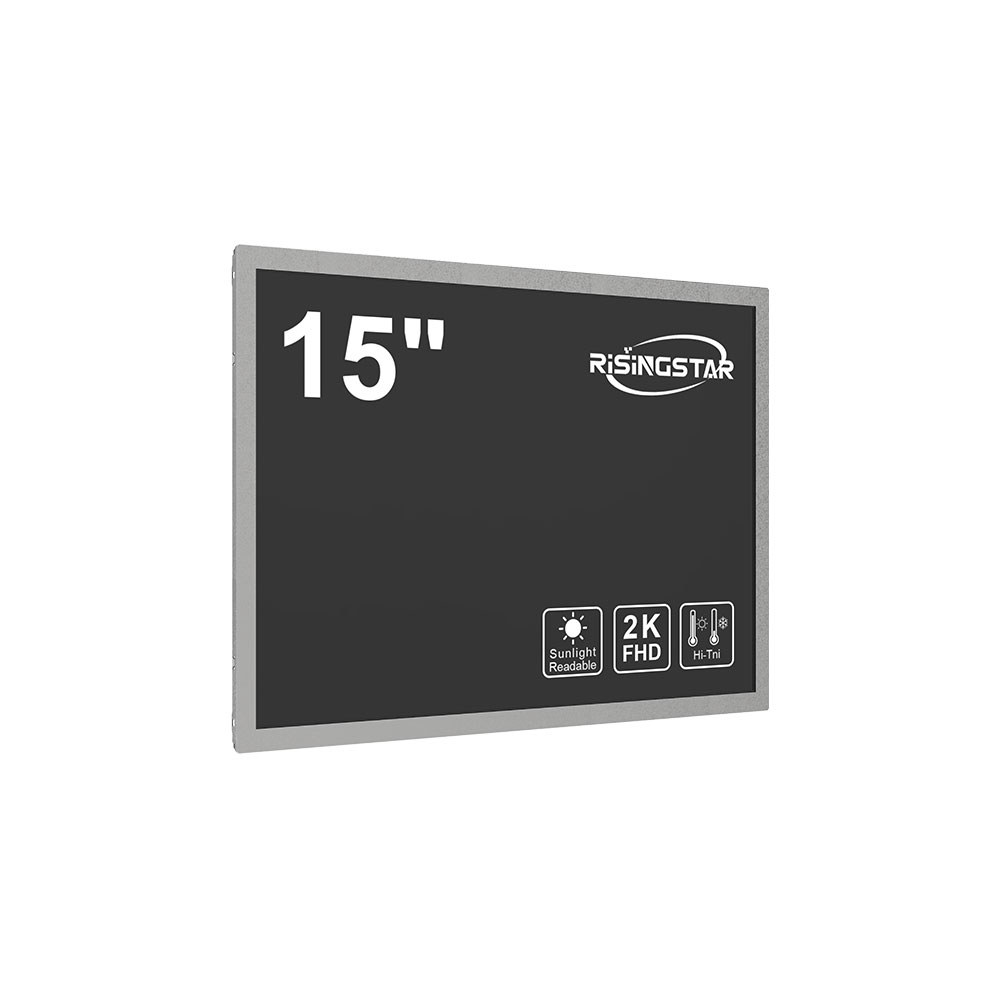
Common sizes such as 15", 17", and 19" are frequently found in embedded systems, point-of-sale terminals, and retro computing setups. For example, a 15" 4:3 LCD monitor typically delivers a resolution of 1024×768 pixels (SXGA), providing sharp text rendering ideal for office environments where clarity is paramount. The 17" variant offers a balance between screen real estate and footprint, often used in laboratory equipment and control panels where multiple windows must be displayed simultaneously without scrolling. Meanwhile, the 19" model, with resolutions up to 1280×1024 (UXGA), provides enhanced detail for diagnostic tools such as ultrasound machines or CAD design workstations.
Manufacturers like LG, Samsung, and Dell still produce 4:3 LCDs under OEM contracts for industrial sectors, ensuring long-term support for existing infrastructure. These displays often feature matte finishes to reduce glare, LED backlighting for energy efficiency, and wide viewing angles (>160°) crucial for multi-user scenarios. In contrast to modern IPS or VA panels, many 4:3 models use TN (Twisted Nematic) technology, which, while offering faster response times (~5ms), may sacrifice color accuracy—making them better suited for data-heavy tasks rather than graphic design.
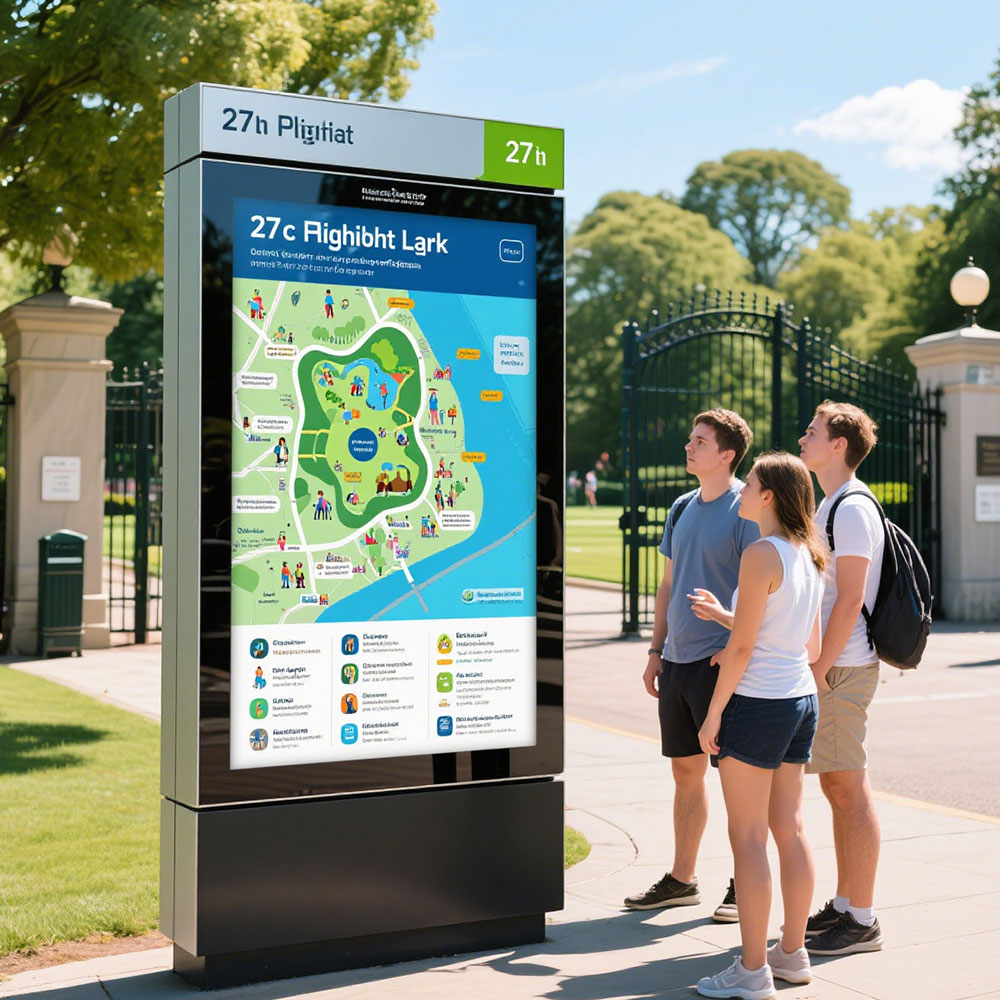
Environmental durability is another key factor: industrial-grade 4:3 displays are rated for extended temperature ranges (-20°C to +60°C), dust resistance (IP55), and shock resistance, meeting IEC 60068 standards. This makes them ideal for factory floors, transportation hubs, and outdoor kiosks. Customer reviews from users in manufacturing and healthcare consistently highlight reliability over years of continuous operation, with minimal maintenance required.
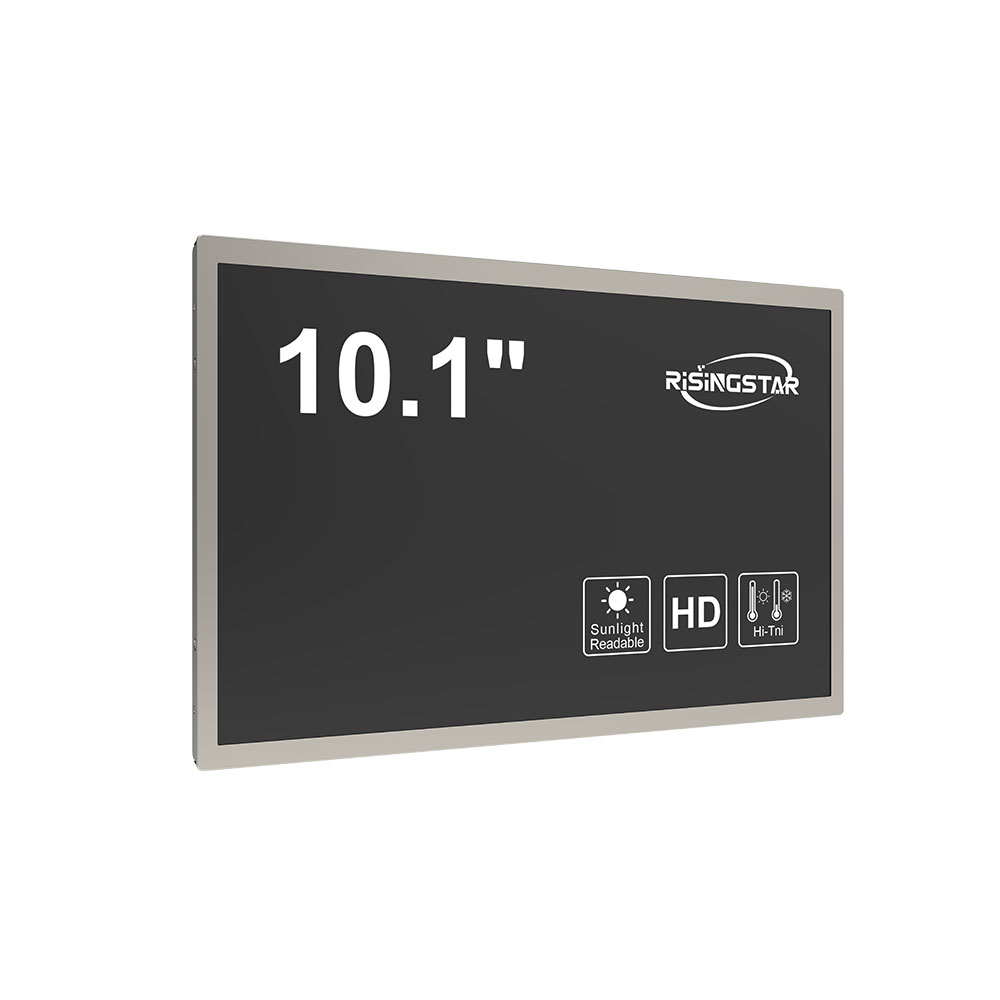
As organizations migrate legacy systems to modern platforms, choosing the right 4:3 display size becomes strategic—not just technical. Whether it’s a 15" unit for compact workspaces or a 19" panel for high-detail analysis, understanding the unique value of 4:3 ratios ensures optimal performance, cost-efficiency, and future-proofing in specialized environments.