
Understanding 4:3 Aspect Ratio LCD Displays for Professional and Educational Use
In the evolving landscape of display technology, the 4:3 aspect ratio remains a vital choice for specific applications where vertical space and legacy compatibility are critical. Unlike modern widescreen formats like 16:9 or 21:9, the 4:3 ratio offers a more square-like view that aligns with traditional computer monitors, medical imaging systems, and educational tools. Common sizes in this category—15-inch, 17-inch, and 19-inch—are still widely used in industries such as healthcare, industrial control, and education due to their balanced screen real estate and compatibility with older software.
For example, a 15-inch 4:3 LCD monitor typically provides a resolution of 1024x768 (SVGA), making it ideal for basic office tasks and retro computing setups. A 17-inch model often supports 1280x1024 (SXGA), offering more usable space for spreadsheets, CAD drawings, or diagnostic imaging in medical environments. Meanwhile, the 19-inch 4:3 display delivers 1280x1024 resolution as well but with larger physical dimensions, improving readability and reducing eye strain during prolonged use—a key advantage in classrooms or control rooms.
These displays are particularly favored in scenarios requiring precise layout control, such as graphic design workflows using legacy Adobe Suite versions or data entry operations in banking and logistics. Their uniform pixel density ensures sharp text rendering, which is crucial for document processing and coding environments. Moreover, many organizations continue to rely on 4:3 screens because they integrate seamlessly with existing hardware, including older CRTs and legacy BIOS-based systems.
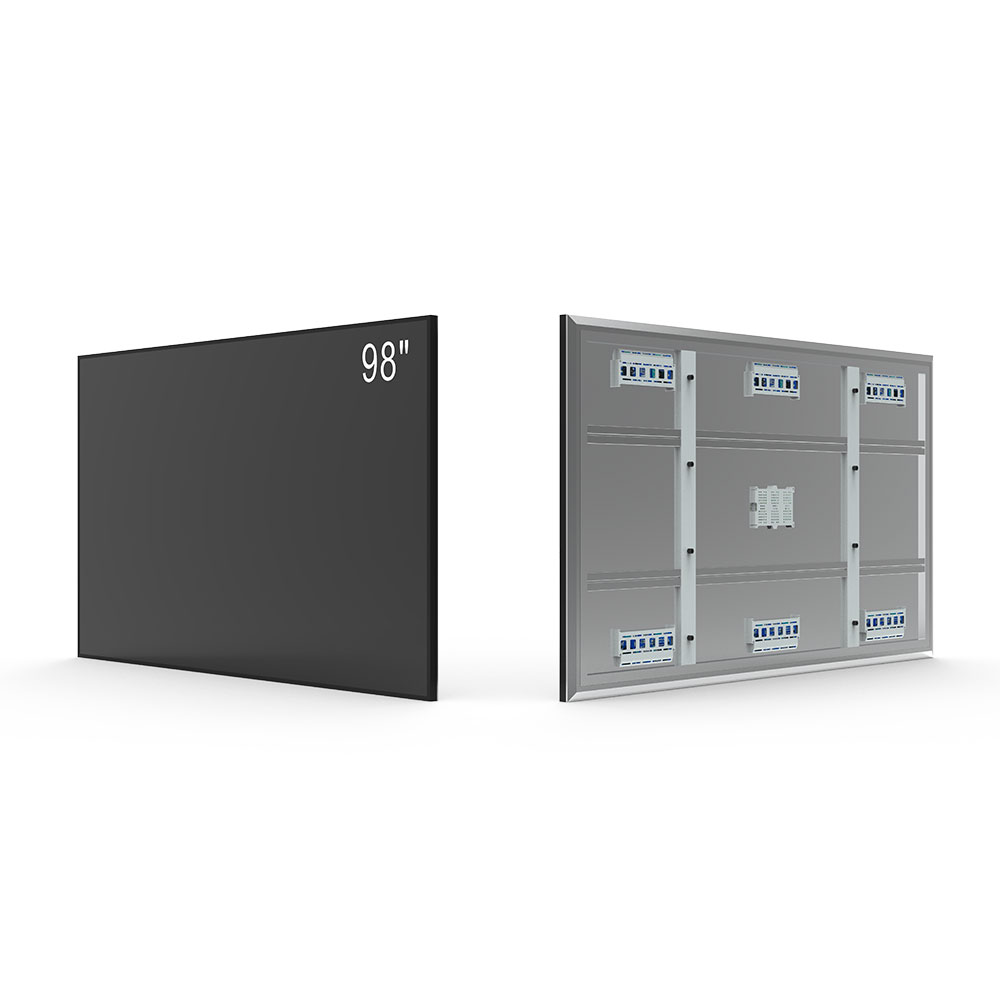
From a manufacturing perspective, producing 4:3 LCD panels demands precise alignment of liquid crystal cells and backlight uniformity. According to the International Electrotechnical Commission (IEC) standard IEC 60747-17, manufacturers must ensure consistent luminance across the panel, especially in professional-grade models. Testing reveals that high-quality 4:3 LCDs maintain<5% brightness variation from center to edge—a metric critical for medical and industrial users.
Customer reviews from platforms like Amazon and B&H Photo highlight user satisfaction with these sizes for dual-monitor setups in small offices. One reviewer noted, “The 17-inch 4:3 display is perfect for my accounting software—it shows full columns without horizontal scrolling.” Another praised the 19-inch model’s clarity for reading technical manuals.
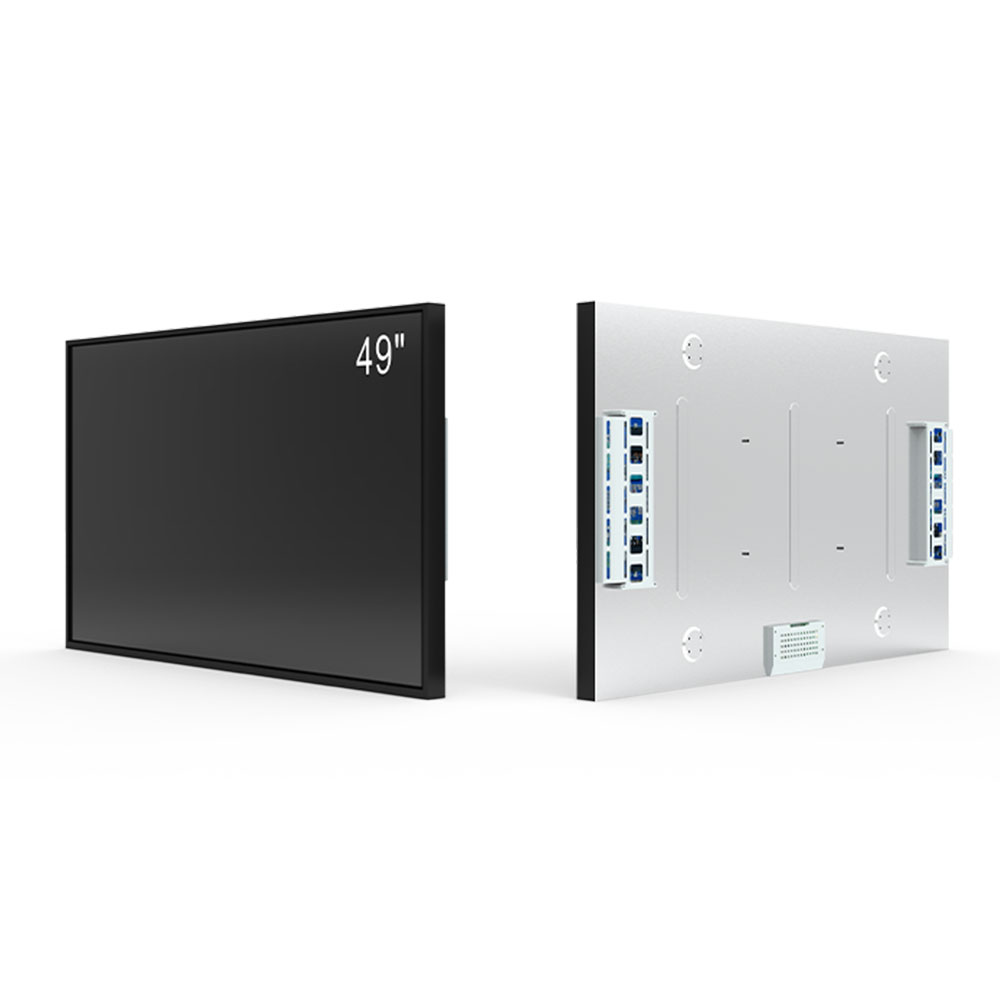
Environmental durability is another strength: many 4:3 LCDs feature IP65-rated enclosures for dust resistance and temperature stability between -20°C to 50°C, making them suitable for factory floors or outdoor kiosks. In conclusion, while 16:9 dominates consumer markets, the 4:3 aspect ratio persists as a functional, reliable solution for professionals who prioritize vertical content, legacy support, and ergonomic performance.
上一篇:Choosing the Right LCD Resolution for Professional Displays
下一篇:Understanding LCD Display Technology and Its Applications in Modern Devices