
High-Performance LCD Displays for Multifunctional Outdoor and Indoor Applications
Modern LCD displays have evolved into essential components across a wide range of industries, from public transportation systems to retail environments and energy infrastructure. These high-performance displays are engineered to deliver exceptional clarity, durability, and reliability in both indoor and outdoor settings. For example, in railways, buses, trains, subways, and intercity rail systems, passenger information displays (PIDs) must operate continuously under variable lighting conditions—from bright sunlight to dim station interiors—while providing real-time updates on schedules, delays, and safety alerts. The latest LCD panels used in these applications feature high brightness levels (up to 5000 nits), wide viewing angles (178°), and ruggedized casings that resist dust, moisture, and physical impact, meeting IP65 or higher ratings.
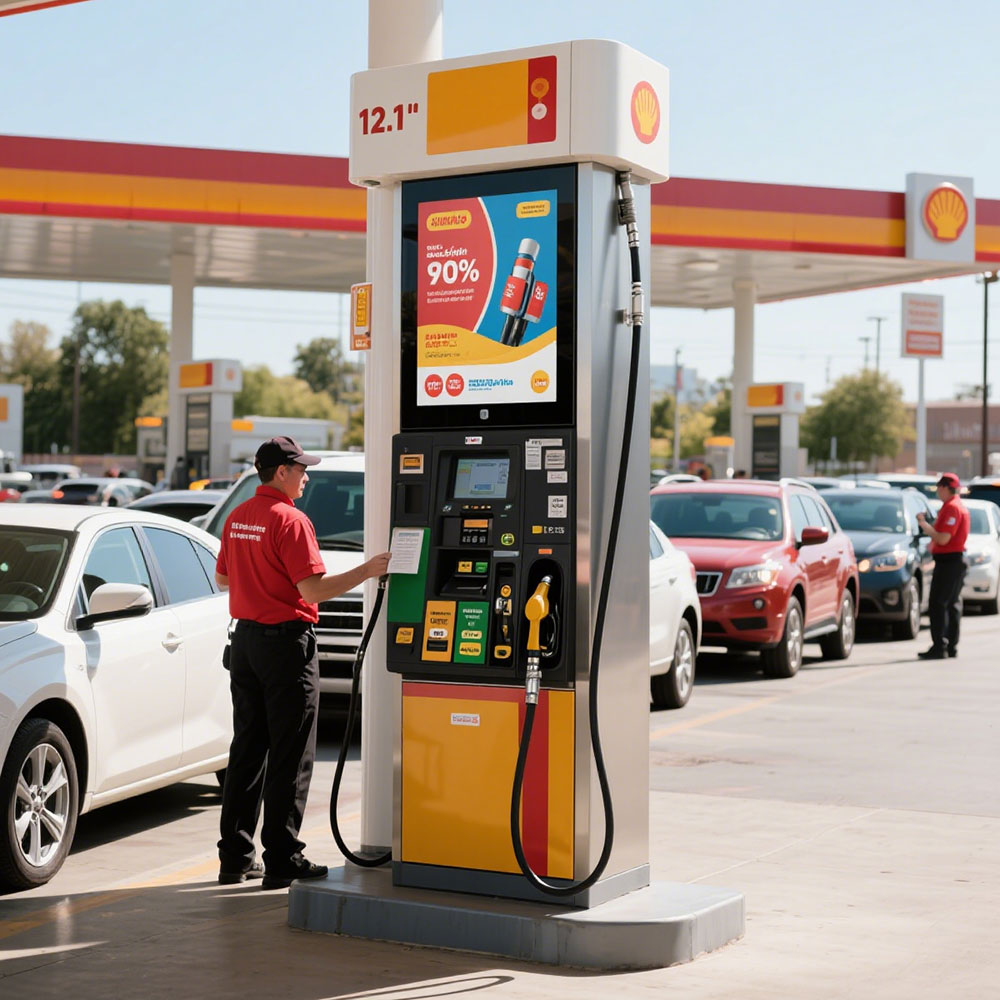
In EV charging kiosks and gas pumps, LCDs serve as intuitive user interfaces that guide customers through payment, status monitoring, and service selection. These units often integrate touch functionality with anti-glare coatings and temperature-compensated controllers to ensure usability in extreme weather—from freezing winters to scorching summers. Similarly, outdoor digital signage in urban centers and highway rest stops rely on industrial-grade LCDs that maintain consistent image quality despite prolonged UV exposure and thermal cycling. Real estate developers now use digital signage in lobbies and model homes to showcase floor plans, virtual tours, and property highlights dynamically, enhancing customer engagement.
Retail environments benefit significantly from customizable LCD displays that support content scheduling, remote management via cloud platforms, and integration with point-of-sale (POS) systems. Whether it’s a dynamic menu board in a fast-food chain or an interactive product display in a luxury store, modern LCDs offer high contrast ratios (typically 3000:1 or more) and full HD resolution for immersive visual experiences. Furthermore, environmental testing—including MIL-STD-810G compliance for shock and vibration resistance—ensures longevity even in high-traffic areas like subway stations or shopping malls. With increasing demand for smart infrastructure and connected devices, LCD technology continues to adapt, making it the preferred choice for mission-critical applications requiring clear, reliable visuals under diverse operational conditions.
上一篇:Understanding 4:3 Aspect Ratio LCD Displays for Professional and Industrial Use
下一篇:High-Performance Outdoor LCD Displays for Transit and Commercial Applications