
How to Choose the Right LCD Panel for Your Display Application
When selecting an LCD panel for your display application, it's essential to consider several technical and environmental factors that directly impact performance, longevity, and user experience. The first step is identifying the application type—whether it’s for consumer electronics like smartphones or tablets, industrial control systems, automotive dashboards, or medical imaging devices. Each use case demands different specifications such as brightness, contrast ratio, viewing angles, and response time. For instance, automotive displays must maintain visibility under direct sunlight, requiring a minimum brightness of 1000 nits, while medical monitors need high color accuracy (Delta E< 2) for diagnostic reliability.
Next, evaluate the panel technology—TN (Twisted Nematic), IPS (In-Plane Switching), VA (Vertical Alignment), or OLED. IPS panels offer superior color reproduction and wide viewing angles, making them ideal for professional graphics work, whereas TN panels provide faster response times but limited viewing angles. VA panels strike a balance with high contrast ratios but may suffer from slower response times compared to IPS. For high-end applications such as gaming or HDR video, OLEDs are increasingly preferred due to their infinite contrast and self-emissive pixels.

Another critical factor is resolution and pixel density. A higher resolution like 4K UHD (3840x2160) improves clarity on large screens, while mobile devices often use Full HD (1920x1080) or even QHD+ at 500+ PPI to ensure sharp visuals without eye strain. Always match resolution with screen size to achieve optimal visual quality.
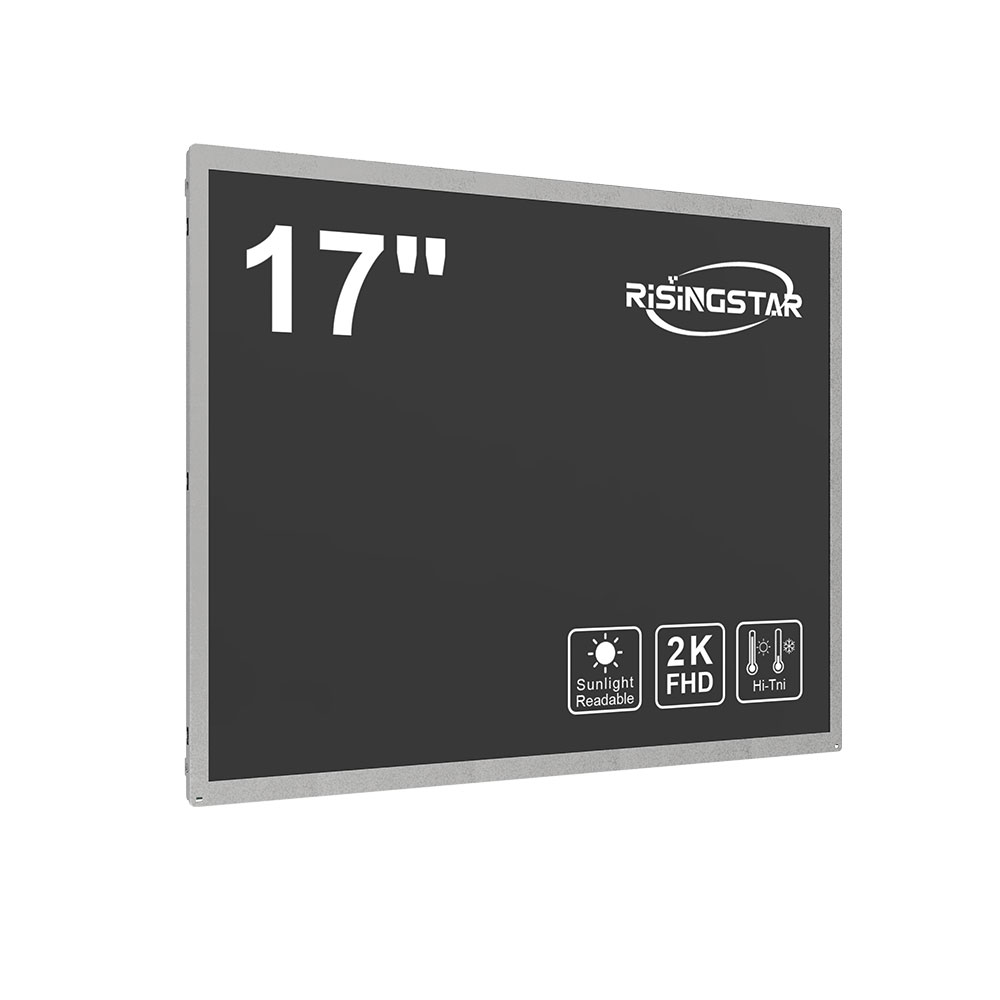
Environmental conditions must also be considered—such as operating temperature range, humidity resistance, and mechanical durability. Industrial-grade panels typically support -30°C to +70°C operation and IP65 sealing for dust and water resistance, unlike consumer models that operate only between 0°C and 50°C. Additionally, long-term reliability testing, including accelerated life testing per JEDEC standards, ensures panels meet expected lifespans of over 50,000 hours.
Finally, consider supply chain stability and vendor support. Reputable manufacturers like LG Display, BOE, and AU Optronics offer consistent quality, detailed datasheets, and robust technical documentation. Choosing a panel backed by strong customer service and quick turnaround times can prevent costly delays in production.
By aligning these criteria—application needs, panel type, resolution, environmental resilience, and supplier credibility—you can confidently select an LCD panel that delivers both functional excellence and long-term value across diverse industries.
上一篇:IP66 Waterproof LCD Displays for Industrial and Outdoor Applications
下一篇:Skärmkabel för LCD-paneler – Val av rätt kabel för optimal prestanda och tillförlitlighet