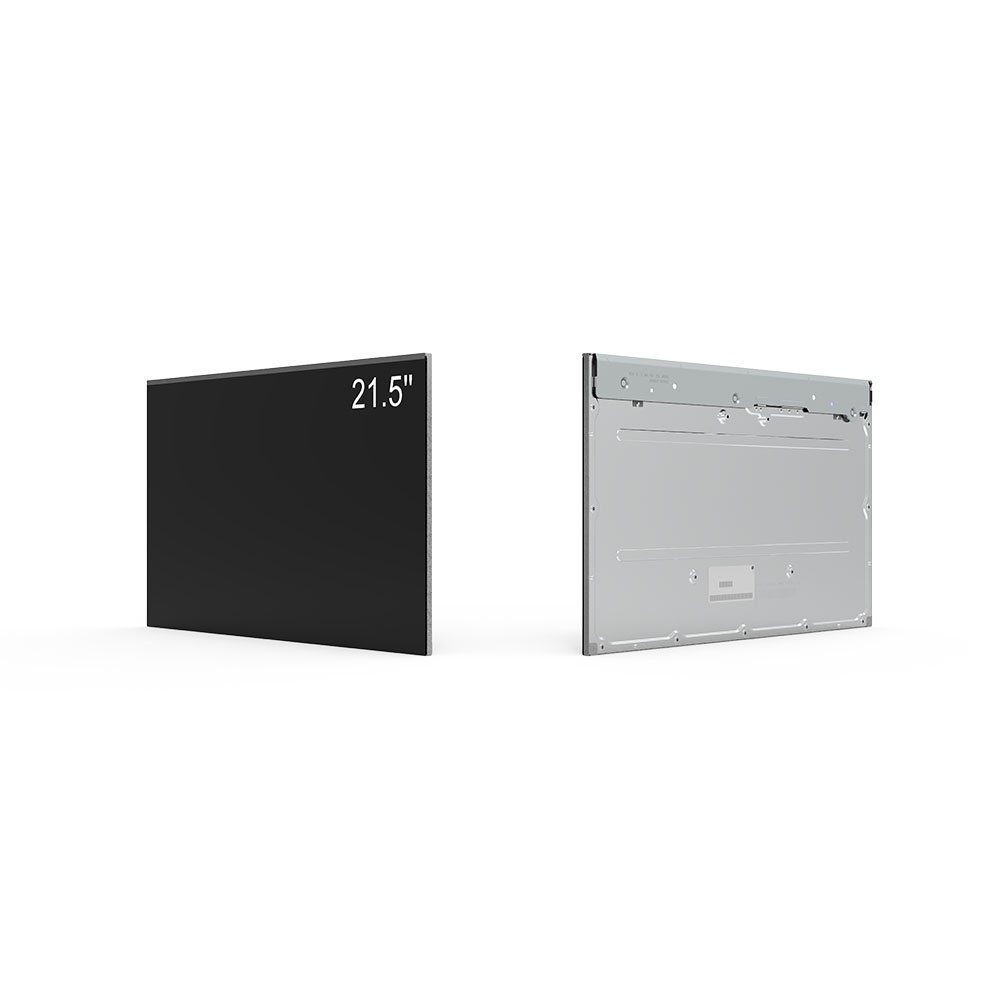
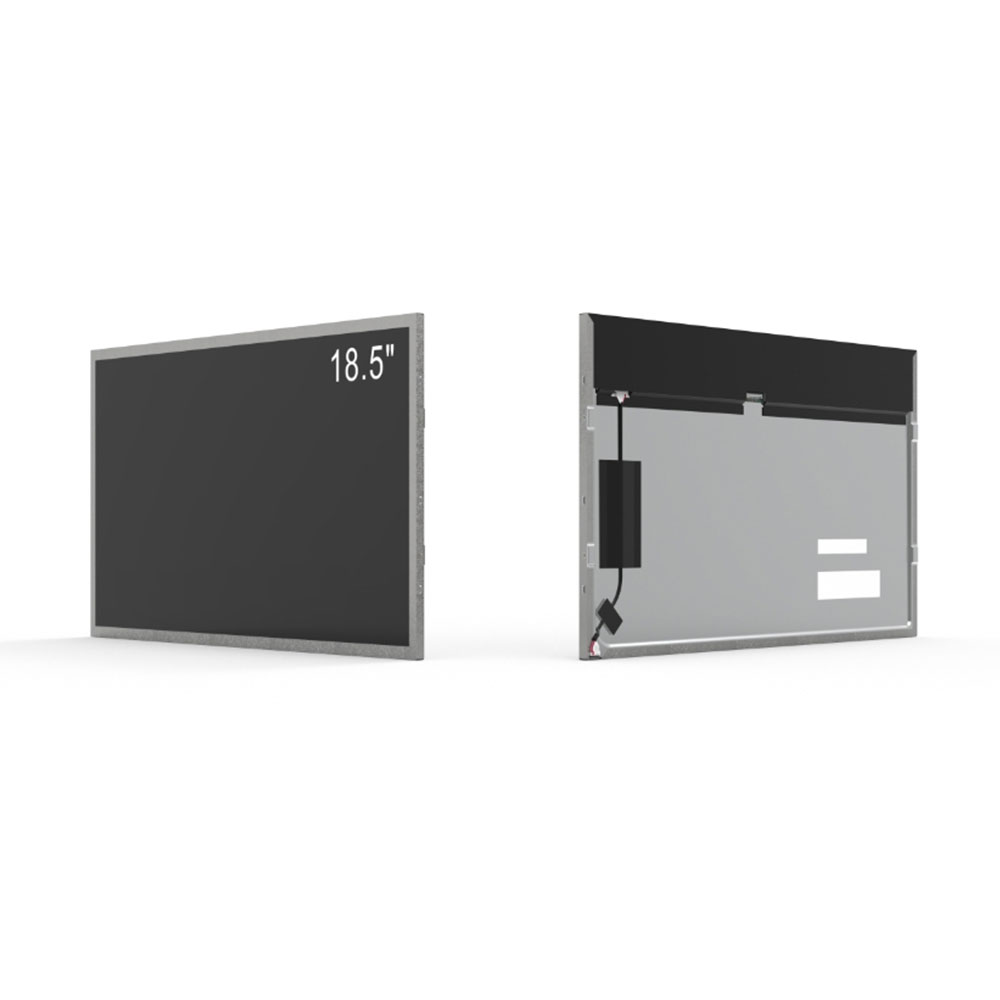
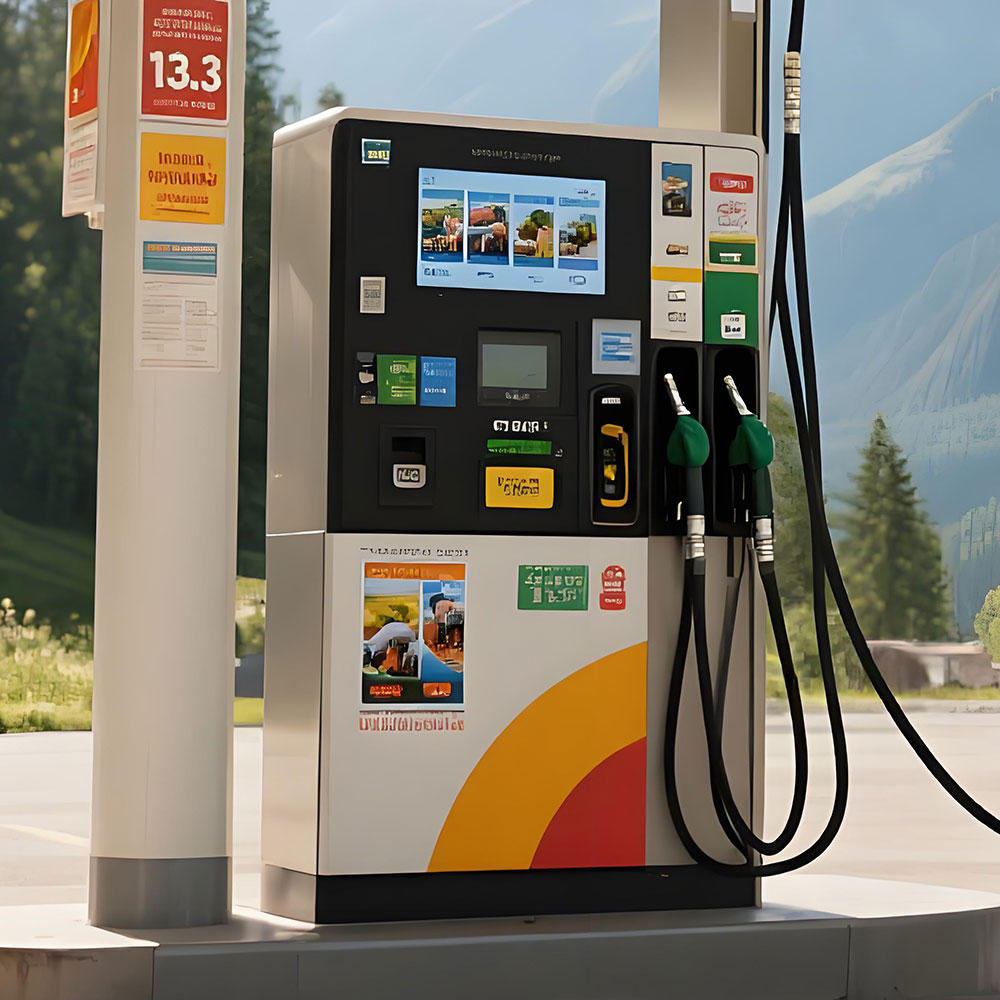
When selecting an LCD display for industrial applications, engineers and procurement managers must consider a range of technical, environmental, and operational factors. Unlike consumer-grade displays, industrial LCDs are designed to operate reliably in harsh conditions such as extreme temperatures, high humidity, vibration, and electromagnetic interference. The choice of display can directly impact system performance, maintenance costs, and overall product lifecycle.
First, define the application environment. For instance, a display used in outdoor construction equipment must withstand -30°C to +70°C temperature ranges, while one in a food processing plant may require IP65 or higher protection against dust and water ingress. According to the IEC 60529 standard, Ingress Protection (IP) ratings ensure that devices meet specific sealing requirements—critical for durability in demanding settings.
Second, evaluate display specifications such as brightness, contrast ratio, viewing angles, and response time. Industrial-grade displays often use TN (Twisted Nematic), IPS (In-Plane Switching), or VA (Vertical Alignment) panels. IPS panels offer superior color accuracy and wide viewing angles, making them ideal for control panels and operator interfaces. For example, the LG LS070Q7DB01 is a widely adopted 7-inch IPS LCD with 800 nits brightness and 178° horizontal/vertical viewing angles, commonly used in medical and transportation systems.
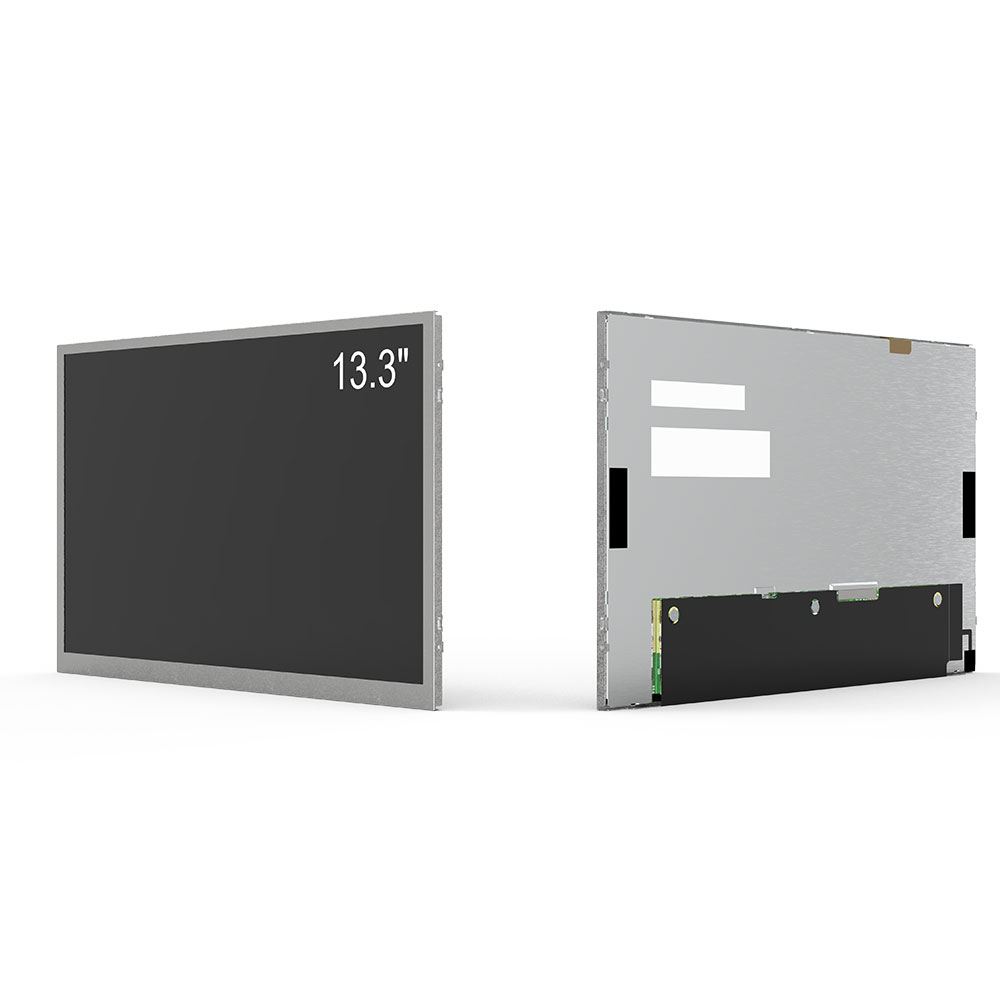
Third, consider long-term availability and support. Industrial customers rely on consistent supply chains. Choosing manufacturers like Sharp, LG, or AU Optronics ensures access to robust technical documentation, firmware compatibility, and extended product life cycles—often up to 10 years or more. These companies also adhere to RoHS and REACH compliance standards, ensuring environmentally safe production.
Finally, test the display under real-world conditions. Conduct accelerated life testing (ALT) per MIL-STD-810G to simulate thermal cycling, shock, and vibration. Many industrial clients report improved reliability when they validate displays with actual field data rather than just datasheet claims.
By following these guidelines, businesses can select LCDs that not only meet current needs but also support future scalability, reduce downtime, and improve user experience across diverse industries—from factory automation to military vehicles.