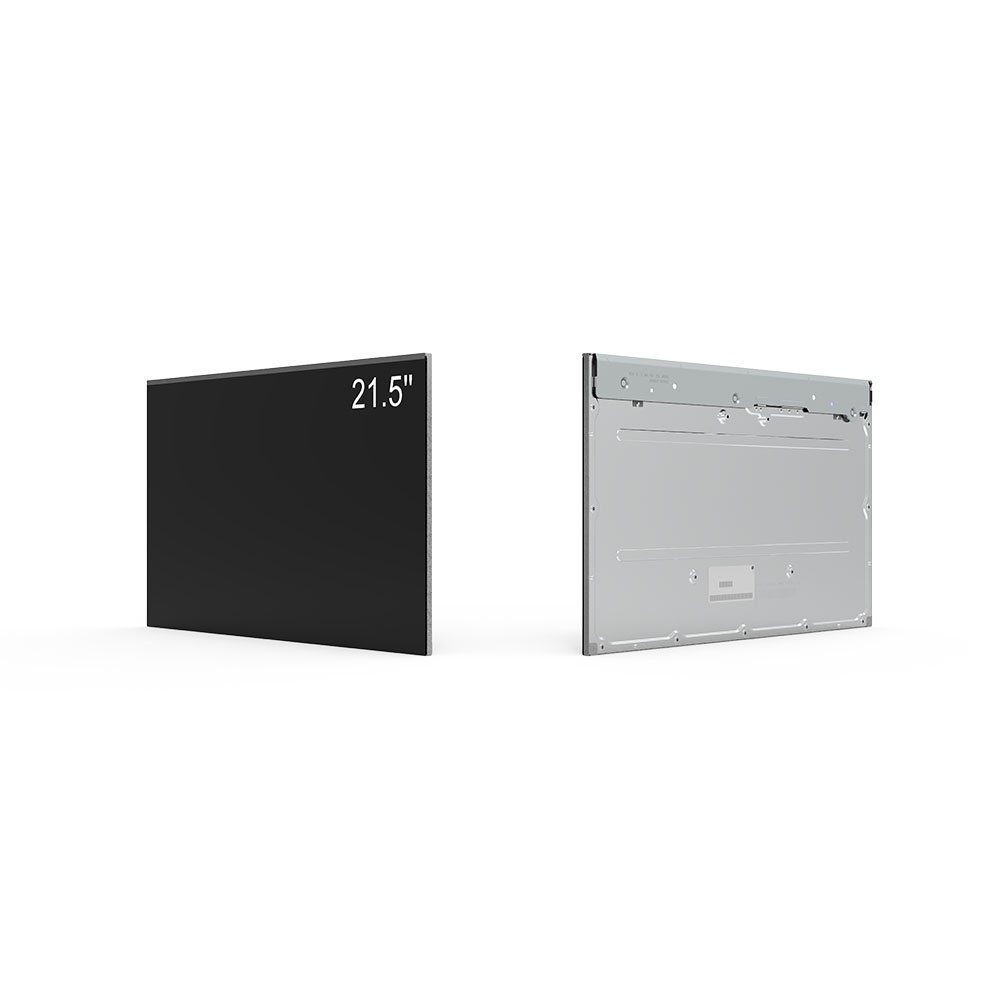
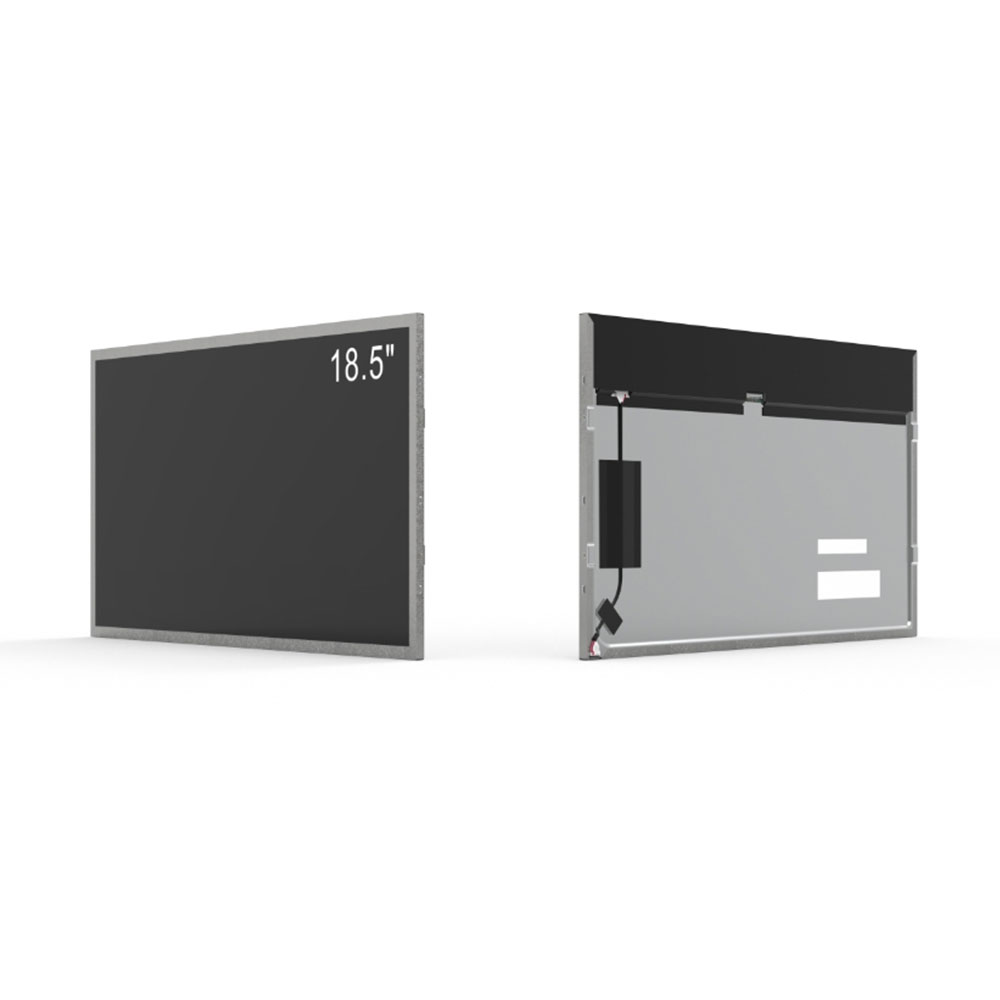
In today’s digital era, Liquid Crystal Displays (LCDs) remain one of the most widely used technologies in screens for smartphones, televisions, laptops, and industrial monitors. Despite the rise of OLED and MicroLED displays, LCDs continue to dominate due to their cost-effectiveness, energy efficiency, and mature manufacturing processes. This article explores the fundamentals of LCD technology, its evolution, key components, applications across industries, advantages over competing technologies, and future trends.
At the core of every LCD is a layer of liquid crystal material sandwiched between two glass substrates. These crystals do not emit light themselves but instead control the passage of backlight through polarization filters. The backlight—typically LED-based—is essential for illuminating the screen, especially in ambient-light environments. When an electric current is applied to specific pixels via thin-film transistors (TFTs), the liquid crystals rotate, allowing or blocking light. This precise manipulation of light creates images on the display.
The evolution of LCDs began in the 1960s with early prototypes developed at RCA Laboratories. However, it wasn’t until the late 1980s and early 1990s that LCDs became commercially viable for consumer electronics like calculators and watches. By the 2000s, advancements such as TFT-LCDs enabled high-resolution color displays, making them ideal for portable devices. In the 2010s, manufacturers introduced edge-lit and full-array local dimming (FALD) backlight systems to improve contrast ratios and reduce power consumption. Today, even automotive infotainment systems, medical diagnostic monitors, and retail signage rely heavily on LCD technology.
Key components of an LCD panel include:
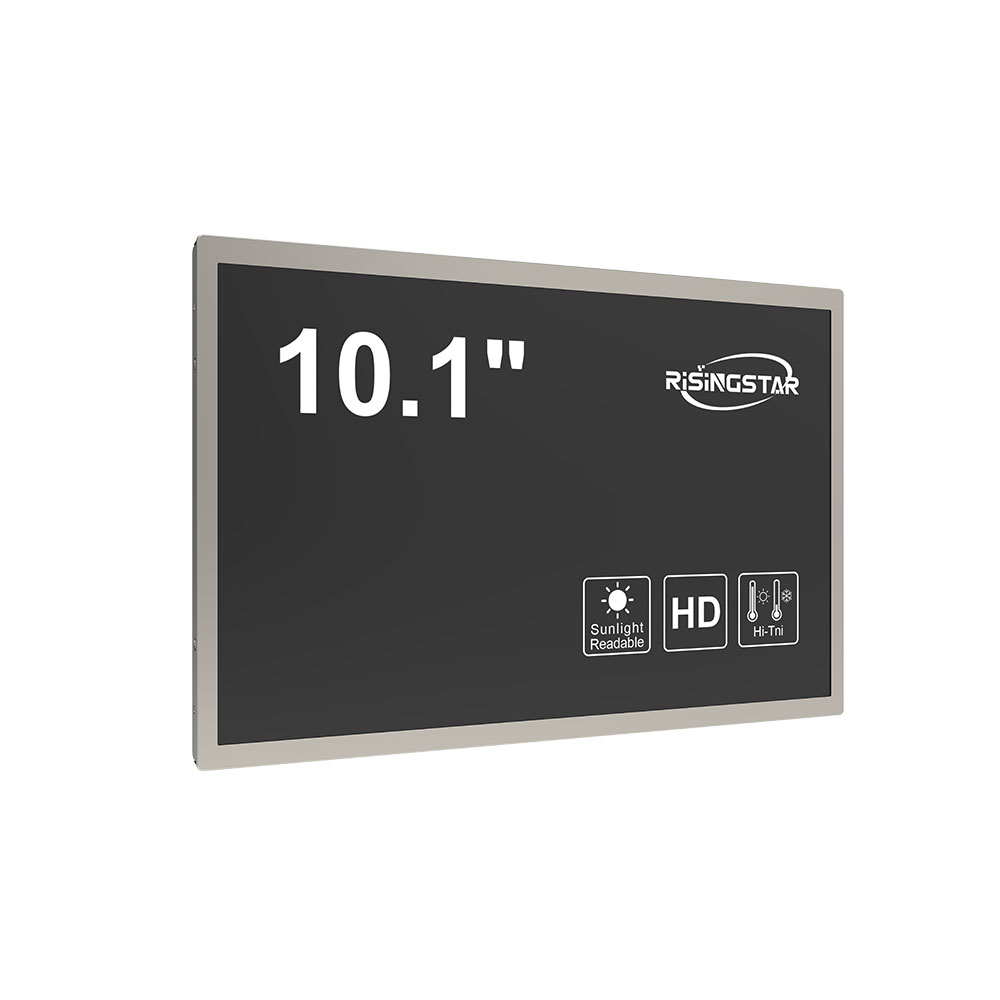
- Backlight Unit (BLU): Usually an LED array that provides uniform illumination behind the liquid crystal layer.
- Polarizers: Two sheets placed on either side of the liquid crystal layer to filter incoming and outgoing light.
- Liquid Crystal Layer: A thin film of organic compounds that can be manipulated electrically to alter light transmission.
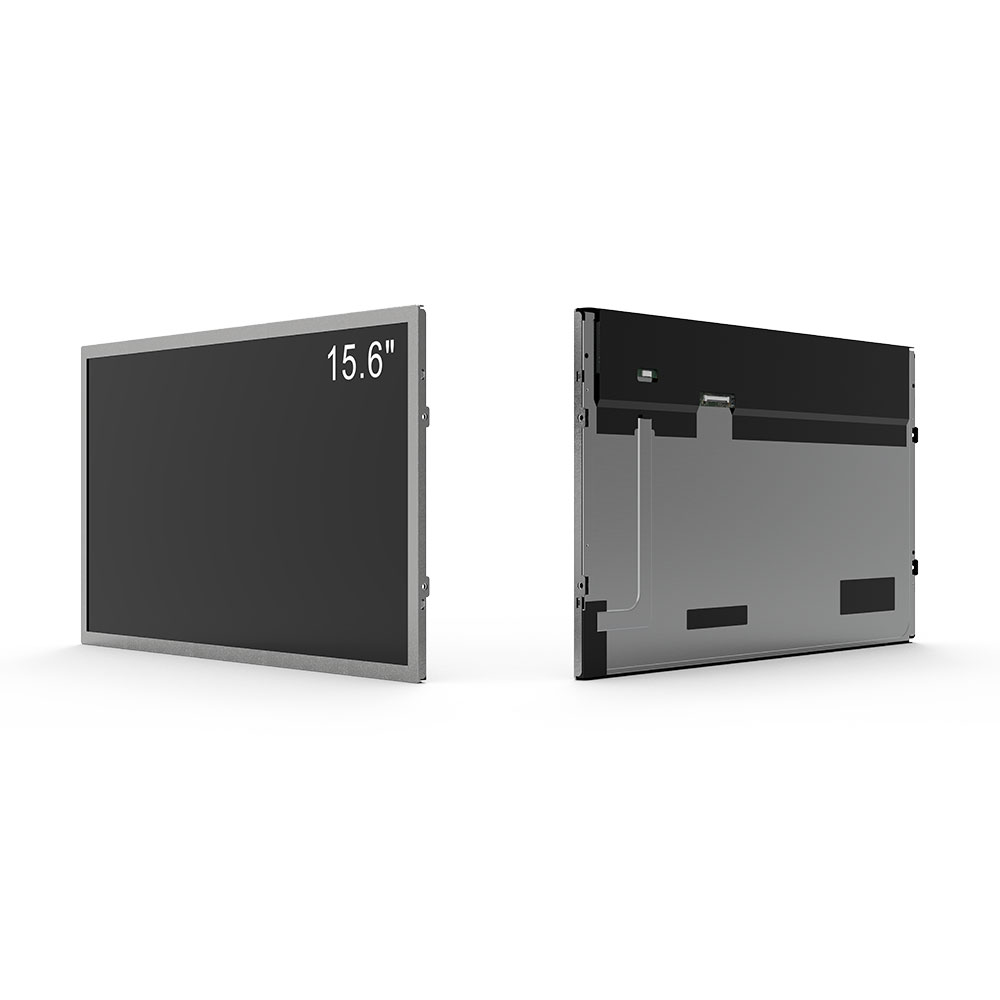
- Color Filters: Red, green, and blue sub-pixels that produce full-color images when combined.
- Thin-Film Transistor (TFT) Array: A grid of tiny switches controlling each pixel’s brightness and color.
- Glass Substrates: Transparent layers that protect the internal components while allowing light to pass through.
One of the main advantages of LCDs is their low power consumption compared to older CRT displays and many emerging technologies. For instance, modern LCDs use only about 30–50% of the energy consumed by cathode-ray tubes. Additionally, they offer excellent viewing angles (especially with IPS panels), stable color reproduction, and long operational lifespans—often exceeding 50,000 hours under normal usage conditions.
LCDs are also highly customizable for different application scenarios. In industrial settings, ruggedized LCDs with wide temperature ranges (-30°C to +70°C) and anti-glare coatings are common. In healthcare, high-brightness LCDs (up to 2,000 nits) ensure visibility in bright operating rooms. Retail stores utilize large-format LCD video walls for dynamic advertising, often with touch functionality. Automotive dashboards integrate curved and flexible LCDs for enhanced ergonomics and driver safety.
However, LCDs face competition from OLED and MicroLED technologies. OLED offers deeper blacks due to self-emissive pixels, while MicroLED promises higher brightness, longer lifespan, and better scalability. Nevertheless, LCDs maintain a significant edge in cost-per-inch, especially in mid-range and large-screen applications. According to market research firm Omdia (2023), LCDs accounted for approximately 78% of global TV sales volume in 2022, underscoring their continued dominance in mainstream markets.
Environmental considerations also favor LCDs. Their production process has become increasingly sustainable, with manufacturers adopting lead-free soldering and reducing hazardous chemical use. Moreover, LCDs contain fewer rare earth elements than OLEDs, lowering supply chain risks and environmental impact. Many companies now comply with RoHS (Restriction of Hazardous Substances) directives and have implemented recycling programs for end-of-life displays.
Looking ahead, innovations in LCD technology will focus on improving performance metrics such as contrast ratio, refresh rate, and response time. Mini-LED backlighting, which uses thousands of tiny LEDs for localized dimming, is already gaining traction in premium TVs and monitors. Quantum Dot (QLED) technology enhances color gamut and brightness by adding nanocrystal layers to the backlight system. Meanwhile, improvements in driving algorithms and panel materials aim to reduce motion blur and increase energy efficiency further.
For consumers and businesses alike, understanding LCD technology helps make informed decisions about display selection. Whether choosing a budget-friendly monitor, a high-end medical imaging device, or a commercial signage solution, knowing how LCDs work—and what makes them unique—can guide effective procurement and usage strategies. As display demands grow in areas like virtual reality, autonomous vehicles, and smart homes, LCDs are likely to remain a foundational technology—not just a legacy one—for years to come.