
High-Performance LCD Displays for Transit and Commercial Applications
In today’s fast-paced, digital-first world, high-performance LCD displays have become essential components across a wide range of industries—from public transportation to retail and energy infrastructure. Whether it's real-time passenger information in trains or dynamic advertising on outdoor digital signage, these displays must perform reliably under extreme conditions while delivering crisp visuals and responsive interfaces.
For railways, buses, subways, and intercity rail systems, LCDs are used in passenger information systems (PIS) that provide live updates on schedules, delays, and service alerts. These applications demand ruggedized displays with wide viewing angles, high brightness (typically 5000 nits or more), and resistance to vibration and temperature fluctuations. Industrial-grade LCD panels like those from LG, BOE, and Sharp are commonly specified due to their proven durability in transit environments. For instance, the LG LP156WF4(LX) is widely adopted in metro stations worldwide for its 1000 cd/m² brightness and IP65-rated enclosure, ensuring readability even in direct sunlight.
Beyond transit, LCDs play a vital role in EV charging kiosks and gas pumps. Here, the emphasis shifts to user-friendly touchscreens that withstand constant physical interaction and environmental exposure—such as rain, dust, and UV radiation. Displays integrated into these devices often use projected capacitive touch technology and anti-glare coatings to maintain usability in diverse lighting conditions. A study by ABI Research (2023) found that over 78% of new EV charging stations now feature embedded LCDs with secure, tamper-resistant designs.
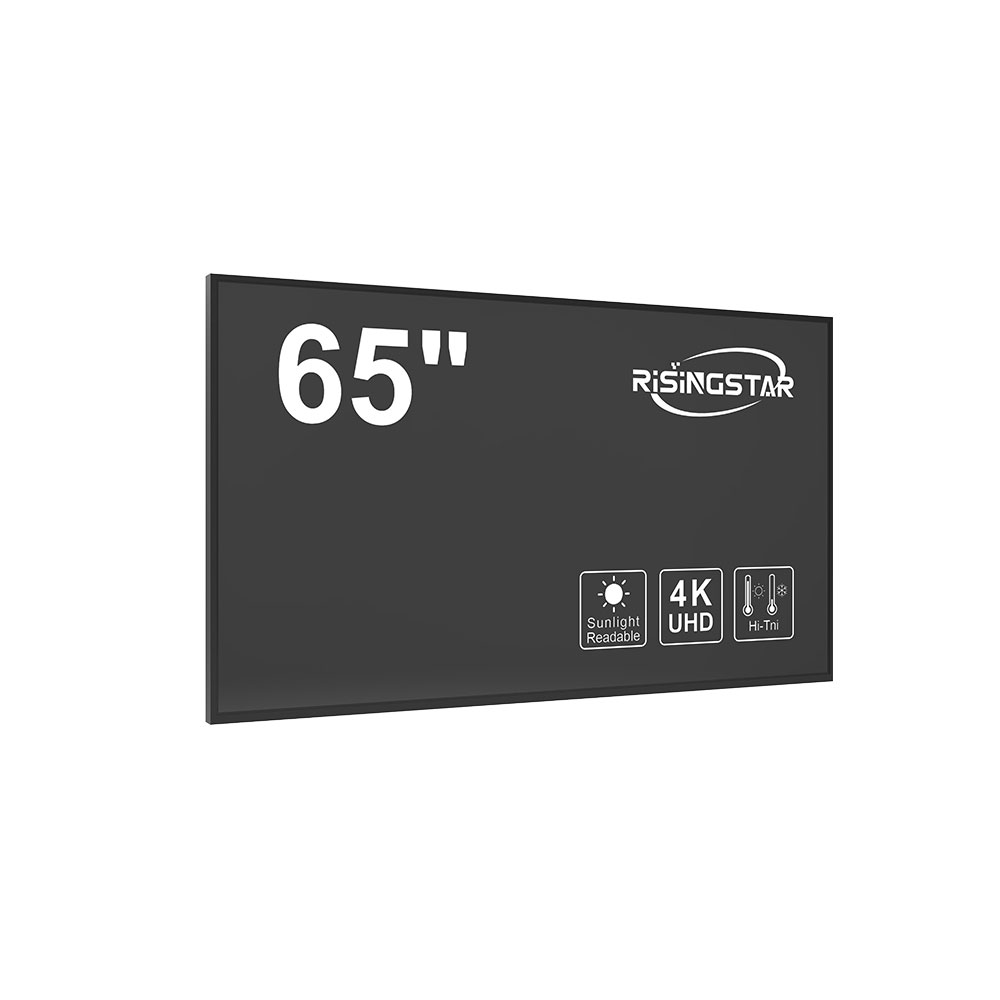
Outdoor digital signage, especially in real estate and retail settings, requires displays that combine visual impact with long-term reliability. LED-backlit LCDs with advanced thermal management and automatic brightness adjustment are standard. Brands like Samsung’s The Wall and NEC’s Display Series are preferred for large-format installations due to their 24/7 operational capability and low maintenance needs. In retail, digital signage increases dwell time by up to 30%, according to a 2022 Nielsen report, making LCDs a critical investment for modern store layouts.
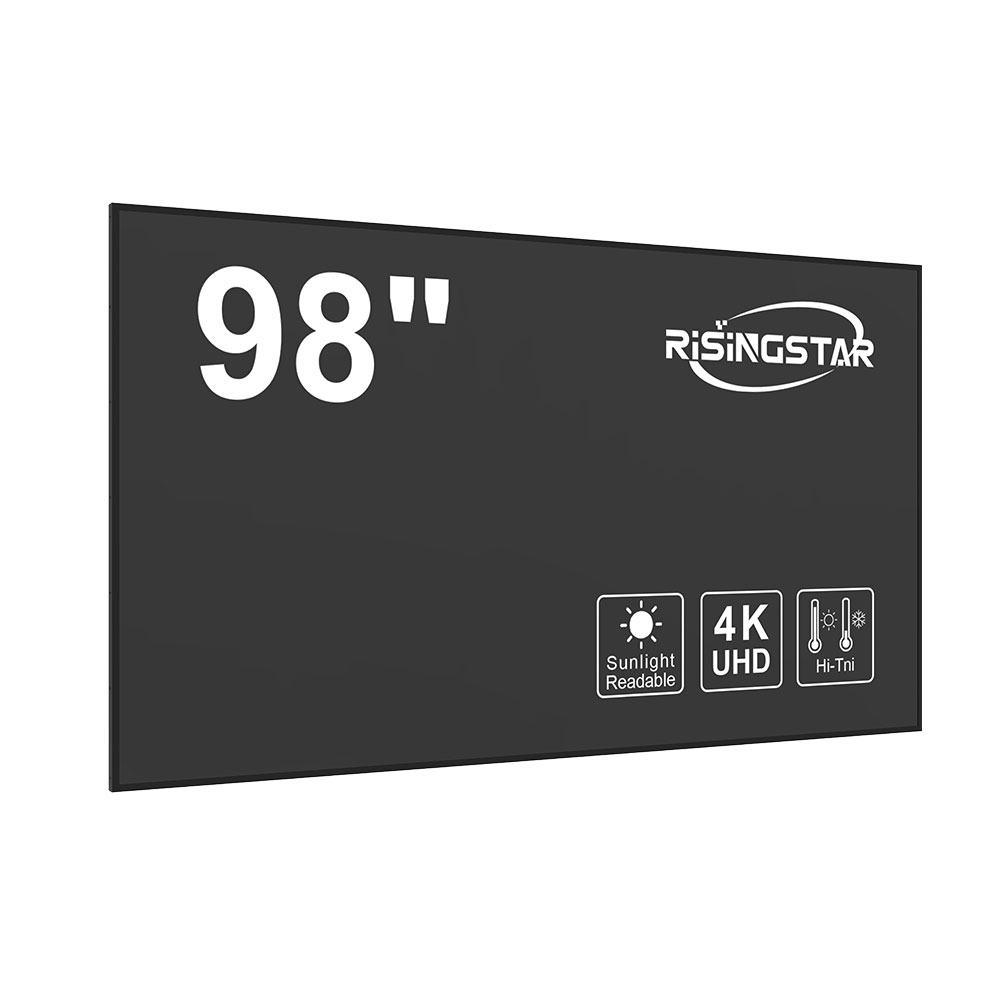
These versatile displays are also ideal for outdoor TVs in hospitality, parks, and corporate campuses—offering HD resolution, weatherproof enclosures, and smart connectivity (Wi-Fi, Bluetooth, 5G). Their adaptability ensures consistent performance in both urban and rural environments, from scorching deserts to snowy climates.
With growing demands for sustainability and smart infrastructure, the future of LCD technology lies in energy-efficient models using local dimming and OLED hybrid solutions. As global standards such as ISO 16750 for automotive electronics and EN 50155 for rail equipment evolve, manufacturers are aligning product specs to meet stringent compliance requirements—ensuring safer, smarter, and more accessible digital experiences across all sectors.
上一篇:Understanding LCD Technology in Modern Displays
下一篇:没有了